- Baby Acne: The Ultimate Guide for Concerned Parents
- What is Baby Acne?
- Identifying the Symptoms
- The Causes Behind the Breakouts
- Is Baby Acne Breast Milk Related?
- Differential Diagnosis: Is it Baby Acne or Something Else?
- Comprehensive Baby Acne Treatment Strategies
- Medical Treatment for Severe Cases
- Prevention
- The Emotional Side: Coping with the Condition
- When to See a Doctor
- Conclusion
- Frequently Asked Questions
- Scientific Resources
Baby Acne: The Ultimate Guide for Concerned Parents
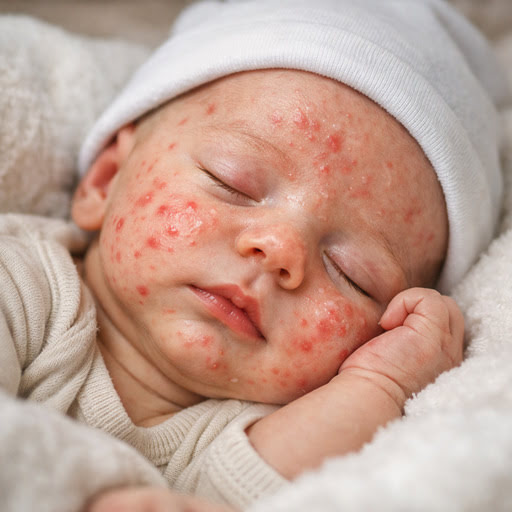
Bringing a newborn home is one of life’s most profound and transformative experiences. Parents spend countless hours counting their toes, marveling at their tiny fingers, and admiring their soft, delicate skin. It often comes as a shock, then, when that perfect, porcelain-like complexion is suddenly interrupted by red bumps, whiteheads, or what looks suspiciously like a teenage breakout. This condition is medically known as neonatal acne, or more commonly, Baby Acne.
For many new parents, seeing pimples on face newborn can be a source of significant anxiety. In an age of curated social media feeds filled with filtered images of flawless infants, encountering a rash on your own child’s face can lead to feelings of worry or inadequacy. “Is it something I ate?” “Did I not wash their sheets enough?” “Is it an infection?” These are common questions that race through a parent’s mind. However, it is vital to understand that this skin condition is incredibly common, affecting a large percentage of healthy babies, and is largely harmless. In this comprehensive guide, we will delve deep into the world of Baby Acne, exploring its biological causes, identifying its specific Symptoms, and outlining the best practices for treatment and care to reassure you during this temporary phase.
What is Baby Acne?
Baby Acne is a common skin condition that affects approximately 20% to 30% of newborns. It typically manifests as small red or white bumps on the baby’s skin. To the untrained eye, it looks strikingly similar to the acne vulgaris that adolescents and adults experience, characterized by papules and pustules. However, the underlying mechanisms, duration, and care requirements for a newborn are quite different from those of a teenager.
When discussing breakouts in young children, it is crucial to distinguish between two primary types, as their prognosis and management differ significantly:
- Neonatal Acne: This is the most common form, which is the primary subject of this guide. It usually appears within the first two to four weeks of life, although some babies are born with it. It is a transient, benign condition that typically resolves on its own without scarring within a few weeks to a few months. It is limited to the first few months of life.
- Infantile Acne: This type appears later, typically beginning between three and six months of age. Infantile acne is much less common than its neonatal counterpart. It presents with more severe lesions, including yellow pustules, inflammatory papules, and sometimes deep cysts or nodules. Unlike the common Baby Acne, infantile acne carries a higher risk of permanent scarring and often persists for a longer duration—sometimes up to age one or two, and rarely into adolescence. Because of the risk of scarring and the potential for underlying hormonal issues, infantile acne usually requires intervention and monitoring by a pediatric dermatologist.
For the vast majority of parents searching for terms like pimples on newborns face or infant bumps on face in the first month of life, the condition is the benign neonatal variety. Understanding that this is a temporary physiological phase—a rite of passage for the newborn’s skin—can provide immense relief to worried caregivers.
Identifying the Symptoms
Recognizing the specific characteristics of this condition is the first step in managing it effectively without unnecessary intervention. While a pediatrician’s diagnosis is always recommended if you are unsure or worried, there are distinct traits that help identify neonatal acne.
Appearance and Texture
The most hallmark symptom is the sudden appearance of pimples on face newborn. These usually manifest as:
- Papules: Small, solid, red bumps that give the skin a rough texture.
- Pustules: Bumps with white or yellow centers, resembling whiteheads.
The skin surrounding these bumps often appears reddish, blotchy, or inflamed. Unlike the rough, scaly, and dry patches associated with eczema (atopic dermatitis), the bumps associated with this condition usually feel like small, raised nodules on otherwise smooth or oily skin. They are typically clustered together but can also be scattered.
Location of Breakouts
Baby acne on face is the most frequent presentation, which makes it particularly noticeable and distressing for parents who spend so much time looking at their baby. You will most commonly find these breakouts on the:
- Cheeks (the most common site)
- Nose
- Forehead
- Chin
- Eyelids
However, the rash is not strictly limited to the face. It can also appear on the scalp, neck, upper chest, and upper back. It is rare for it to extend below the chest area or appear on the legs and arms.
Fluctuating Nature
One unique and often confusing characteristic of this condition is its tendency to fluctuate in appearance throughout the day. You may notice that the acne newborn looks significantly more prominent, brighter red, or “angrier” when your baby is:
- Crying or fussing
- Hot or sweating
- Feeding
- Having their skin irritated by rough fabrics or saliva
This happens because increased blood flow to the skin during these states makes the underlying inflammation more visible. Conversely, when the baby is sleeping deeply or is in a cool environment, the blood vessels constrict, and the bumps may appear much lighter or even almost invisible.
Absence of Comedones
A key clinical differentiator for neonatal acne is the absence of open comedones, commonly known as blackheads. In teenage acne or infantile acne, blackheads are a common feature caused by oxidized oil plugs in the pores. In neonatal Baby Acne, you will typically only see red bumps and whiteheads. If you spot clear blackheads on your baby’s skin, it might be a sign of infantile acne or another skin condition, warranting a closer look by a doctor.
The Causes Behind the Breakouts
Parents often ask themselves, “Did I do something wrong?” “Is my baby’s face dirty?” “Should I have scrubbed harder?” The answer to all these questions is a resounding no. Hygiene—or a lack thereof—plays absolutely no role in the development of these bumps. While the exact scientific cause is still being studied, experts have identified several leading theories that explain why these infant bumps on face occur.
1. Maternal Hormones (The Primary Culprit)
The most widely accepted theory attributes the condition to the transfer of maternal hormones. During the final trimester of pregnancy, maternal hormones (specifically androgens) cross the placenta from the mother to the baby. These hormones are essential for the baby’s development, aiding in lung maturation and other critical processes.
After birth, these residual maternal hormones continue to circulate in the newborn’s bloodstream for several weeks or months. These hormones have a stimulating effect on the baby’s sebaceous (oil) glands. Since a newborn’s pores are not yet fully developed or regulated, this hormonal stimulation leads to an overproduction of sebum (oil). This excess oil clogs the tiny hair follicles and pores, resulting in the formation of pimples. As the baby’s metabolic system processes and eliminates these maternal hormones over the first few months of life, the oil production normalizes, and the acne typically subsides. This is why boys, who may have higher levels of androgenic stimulation, are sometimes more prone to severe cases.
2. Yeast Colonization (Malassezia)
Recent dermatological research suggests that a common yeast found on the skin, known as Malassezia species, may play a significant role in neonatal acne. This yeast is a normal part of the skin microbiome in many humans and typically causes no harm. However, newborns have immature immune systems that are learning to distinguish between friend and foe.
Some infants may have a hypersensitive inflammatory reaction to this natural yeast colonization on their skin. The immune system reacts to the presence of the yeast, leading to the inflammation and pustules seen in Baby Acne. When the condition is specifically driven by this yeast reaction, it is sometimes medically referred to as “neonatal cephalic pustulosis.” This distinction is mostly academic for parents, as the management remains largely the same (gentle care), though in severe cases, doctors might prescribe an antifungal.
3. Medications
In rarer instances, certain medications can trigger acne-like breakouts in infants. If a nursing mother is taking specific medications (such as corticosteroids or lithium), or if the baby is directly prescribed certain drugs, it could potentially exacerbate or cause the condition. However, this is far less common than the hormonal or yeast-related causes.
4. Overactive Sebaceous Glands
Newborns have relatively large sebaceous glands due to the hormonal influence mentioned above. These glands are highly active in the first few months of life, producing significant amounts of sebum. This natural oiliness, combined with the small, easily obstructed pores of an infant, creates the perfect physiological environment for Baby Acne to develop. It is a temporary structural mismatch that resolves as the baby grows.
Is Baby Acne Breast Milk Related?
There is a significant amount of folklore, confusion, and online debate surrounding the connection between breastfeeding and neonatal skin conditions.
- Dietary Myths: Some parents worry excessively that their diet while breastfeeding is causing their baby’s breakout. They might frantically cut out dairy, citrus, gluten, or chocolate. However, scientific evidence linking a breastfeeding mother’s diet directly to typical neonatal Baby Acne is weak. While food allergies can certainly cause skin rashes (like eczema, hives, or general dermatitis), they rarely present as the typical pimples confined to the face. If your baby has other symptoms like blood in the stool, excessive spit-up, or extreme fussiness along with a rash, that might suggest an allergy, but the acne alone is usually just acne.
- The Breast Milk Cure: On the flip side, the term baby acne breast milk often refers to a popular, time-honored home remedy. Many mothers swear by applying fresh breast milk to their baby’s acne. Breast milk contains lauric acid, which has antibacterial and anti-inflammatory properties. It also contains antibodies that help fight infection. While not a medically “proven” cure in the pharmaceutical sense (large-scale clinical trials on this are rare), many parents report that dabing breast milk on the bumps helps soothe the skin and reduce redness. Given that breast milk is gentle, natural, and free of harsh chemicals, it is a perfectly safe option to try if you are looking for a proactive baby acne treatment.
Differential Diagnosis: Is it Baby Acne or Something Else?
Newborn skin is sensitive and prone to a wide variety of transient rashes. Distinguishing Baby Acne from other common conditions is vital because the treatment for one might make the other worse.
Baby Acne vs. Milia Newborn
Milia newborn is frequently confused with acne, and they often occur at the same time, but they are distinct conditions.
- Appearance: Milia look like tiny, pearly-white or yellowish bumps, usually concentrated on the nose, cheeks, or chin. They are generally smaller than acne pimples and are not red or inflamed.
- Cause: While acne is related to oil glands and inflammation, milia newborn is caused by dead skin flakes (keratin) becoming trapped in small pockets near the surface of the epidermis.
- Treatment: Like acne, milia are harmless and disappear on their own as the skin’s surface wears away and releases the trapped keratin. No treatment is needed.
Baby Acne vs. Eczema (Atopic Dermatitis)
Eczema is another very common condition that can affect the face, but it requires different care (moisturizing).
- Appearance: Eczema typically presents as patches of dry, scaly, rough, and cracked skin. It may be red and inflamed, and in severe cases, it may ooze clear fluid or crust over.
- Sensation: The key difference is the sensation. Eczema is extremely itchy and uncomfortable for the baby, often causing them to rub their face against sheets or scratch if they are able. Baby Acne, by contrast, typically does not cause itching or pain.
- Location: While found on the cheeks, eczema also commonly appears on the body, particularly in the creases of elbows, knees, and on the chest.
Baby Acne vs. Erythema Toxicum
Erythema toxicum is a very common, harmless rash that looks distinct from acne once identified.
- Appearance: It looks like blotchy red patches with small white or yellow centers. It is often described as looking like “flea bites.”
- Timing: It typically appears in the first few days of life (Day 2-5), whereas acne usually appears around the two-week mark.
- Location: It can appear anywhere on the body, including the trunk, arms, and legs. A unique feature is that the spots often move around—appearing in one place in the morning and another in the afternoon.
Baby Acne vs. Heat Rash (Miliaria)
Heat rash occurs when sweat ducts are blocked, trapping sweat under the skin.
- Appearance: It looks like clusters of tiny, clear blisters or small red bumps.
- Location: It is usually found in areas where sweat accumulates, such as the neck folds, armpits, groin, or on the forehead if the baby has been wearing a hat.
- Trigger: Overheating or humid environments are the primary triggers. Cooling the baby down usually resolves the rash quickly.
Comprehensive Baby Acne Treatment Strategies
The most important thing to remember about treating this condition is that it is usually a “waiting game.” Because it is a self-limiting physiological condition, it will almost always go away on its own without intervention. However, in our culture of “fixing” problems, parents often want to be proactive. Here are the detailed Do’s and Don’ts of baby acne treatment.
The Do’s of Caring for Your Baby’s Skin
- Keep the Face Clean: Hygiene is important, but gentle hygiene is key. Wash your baby’s face daily with lukewarm water. Water alone is often sufficient to remove saliva and milk residue. If you choose to use a cleanser, ensure it is a mild, soap-free, fragrance-free, and hypoallergenic wash designed specifically for newborns (often labeled “syndet” bars or washes). This helps remove excess oil without stripping the developing skin barrier.
- Pat Dry Gently: After washing, use a soft cotton towel or muslin cloth to gently pat the skin dry. Do not rub or wipe vigorously. Rubbing can mechanically irritate the pimples on face newborn, causing micro-abrasions and further inflammation.
- Use Soft Fabrics: Ensure that anything touching your baby’s face—crib sheets, blankets, burp cloths, and your own clothing (when holding the baby against your shoulder)—is soft and clean. Wash these items with gentle, fragrance-free detergents. Harsh chemicals and perfumes in laundry products can transfer to the baby’s skin and aggravate sensitivity.
- Practice Patience: This is often the hardest part of baby acne treatment. It can take weeks or even a couple of months for the skin to clear completely. Remind yourself daily that it is temporary and not harmful.
- Try Breast Milk: As mentioned regarding baby acne breast milk, applying a few drops to the affected area is a harmless, free, and potentially soothing home remedy. Simply dab it on with a clean finger or cotton ball and let it air dry.
- Maintain Cool Temperatures: Since heat can vasodilitate blood vessels and flare up the redness, keep your baby cool and comfortable. Avoid overdressing them in too many layers, especially in warm weather or heated homes.
The Don’ts of Baby Acne Treatment
- Do Not Squeeze: Never, under any circumstances, should you pick, pop, pinch, or squeeze the bumps. This is not only painful for the infant but can drive bacteria deeper into the skin pores, leading to a secondary infection (like cellulitis) and increasing the risk of permanent scarring.
- Avoid Adult Products: Never use acne creams, washes, toners, or spot treatments designed for teenagers or adults (like Clearasil or Proactiv). These products often contain active ingredients like benzoyl peroxide, salicylic acid, or retinoids in concentrations that are far too harsh for a baby’s delicate, thin skin. They can cause chemical burns, severe dryness, peeling, and pain.
- Skip the Lotions: Avoid applying heavy lotions, thick creams, or oils (even natural ones like coconut oil, olive oil, or shea butter) to the acne-prone areas of the face. While these are great for dry body skin, on the face, they can clog the already blocked pores further, worsening the condition. The goal is to keep the acne areas clean and breathable.
- Do Not Scrub: Scrubbing with a rough washcloth, sponge, or exfoliating brush will not remove the acne. Since the condition is hormonal and deep within the pore, scrubbing only damages the surface skin barrier and increases redness and irritation.
Medical Treatment for Severe Cases
In rare situations, the condition may be severe, persistent, or atypical enough to warrant medical intervention. If the acne lasts longer than a few months, spreads significantly to the body, or appears cystic (large, deep, painful lumps), consult a pediatric dermatologist.
A doctor may consider the following treatments (only to be used under prescription):
- Topical Antifungals: If the cause is suspected to be an overgrowth of yeast (Malassezia), a mild topical antifungal cream (like ketoconazole) may be prescribed to reduce the yeast population.
- Mild Retinoids or Antibiotics: For severe infantile acne (not usually neonatal), very low-strength topical retinoids or topical antibiotics (like erythromycin or clindamycin) might be used under strict medical supervision to control bacteria and inflammation.
- Oral Medication: This is extremely rare for neonatal cases and is usually reserved for severe, scarring cases of infantile acne or cases where there is an underlying hormonal disorder requiring systemic treatment.
Prevention: Is it Possible?
Is true Prevention possible? The short answer is generally no. Because Baby Acne is primarily driven by internal factors—the transfer of maternal hormones and the natural colonization of skin flora—that are completely out of a parent’s control, you cannot prevent it from appearing. You cannot stop the hormones from crossing the placenta, nor can you sterilize your baby’s skin (nor should you).
However, you can prevent the condition from getting worse or becoming infected. By following a gentle skincare routine from birth—using mild detergents, avoiding greasy products on the face, and keeping the skin clean from saliva and spit-up—you create an environment that supports the skin’s natural healing process. Avoiding the use of heavy baby oils on the face during newborn massages can also serve as a form of “prevention” against manually clogging the pores. Focus oils on the body and limbs, keeping the face clean and dry.
The Emotional Side: Coping with the Condition
It is entirely normal to feel a pang of disappointment or worry when your beautiful newborn develops a rash. In an era of high-definition photos and social media sharing, having a baby with Baby Acne can make parents feel self-conscious. You might find yourself apologizing for your baby’s skin to strangers, explaining “it’s just acne,” or hesitating to take professional newborn photos.
Please remember the following to help cope with these feelings:
- It is not a reflection of you: The condition is not a sign of poor hygiene, a bad diet, or poor parenting. It is a biological event.
- It does not bother your baby: Unlike eczema or diaper rash, this condition is generally painless and not itchy. Your baby doesn’t know it’s there.
- It is temporary: This phase will pass relatively quickly.
- Photographers are pros: Professional newborn photographers see this constantly. They are experts at lighting and retouching to minimize the appearance of temporary blemishes like acne and milia newborn, capturing the beauty of your child regardless of their skin texture.
Focus on the health and happiness of your baby. Those infant bumps on face will eventually fade, revealing the beautiful, soft skin underneath. Use this time to bond with your baby through gentle care routines, rather than stressing over a transient cosmetic issue.
When to See a Doctor
While the condition is usually benign and self-limiting, certain signs warrant a professional evaluation by a pediatrician or dermatologist:
- Late Onset: If the acne-like bumps appear for the first time after 6 weeks of age, it is more likely to be infantile acne or another condition, which requires closer monitoring for potential scarring or hormonal issues.
- Signs of Infection: If the bumps become very bright red, swollen, warm to the touch, or ooze yellow/green pus (distinct from the typical tiny whiteheads), it could indicate a secondary bacterial infection like Staph.
- Systemic Illness: If your baby has a fever, is lethargic, is not feeding well, or seems irritable in addition to the rash.
- Other Symptoms: If you notice signs of early puberty (virilization) such as excessive hair growth (hirsutism), rapid growth spurts, or breast tissue development that doesn’t subside, alongside the acne, this could indicate a rare underlying hormonal imbalance (like adrenal hyperplasia).
- Rash Elsewhere: If a rash covers large parts of the body, looks like water-filled blisters (which could be herpes simplex, a medical emergency in newborns), or dry, bleeding scales (severe eczema).
Conclusion
Baby Acne is, in many ways, a rite of passage for many newborns and their parents. It is a visible sign of the baby’s body adjusting to life outside the womb, processing maternal hormones, and developing its own immune balance with the environment. By understanding the biological Causes, properly recognizing the Symptoms, and adhering to gentle Baby Acne treatment protocols, you can navigate this phase with confidence and patience.
Remember, the vast majority of cases of pimples on face newborn will resolve beautifully on their own, leaving no trace behind. Avoid the temptation to over-treat, steer clear of harsh chemicals, and let nature take its course. Your baby’s skin is resilient and will soon return to its natural softness. If you ever have doubts about infant bumps on face or if the condition seems to be worsening despite gentle care, your pediatrician is your best partner in ensuring your baby’s health and your peace of mind.
Frequently Asked Questions
How to get rid of baby acne?
The most effective and safest way to manage Baby Acne is through a strategy of “benign neglect” and gentle hygiene. You should wash your baby’s face daily with lukewarm water and gently pat it dry with a soft cloth; do not scrub or rub the skin. Avoid using acne creams, oils, lotions, or adult face washes unless specifically prescribed by a doctor, as these can clog pores further and worsen the irritation. In most cases, the acne will clear up on its own within a few weeks or months as your baby’s hormonal levels balance out.
What causes baby acne?
The primary cause of Baby Acne is widely believed to be the transfer of maternal hormones (androgens) to the baby through the placenta before birth. These hormones stimulate the baby’s sebaceous glands to produce excess oil. Another potential contributing factor is an inflammatory reaction to Malassezia, a common yeast found on the skin. It is generally not caused by diet, dirt, poor hygiene, or anything the parents have done wrong.
How long does baby acne last?
Baby Acne typically appears around two to four weeks of age and can last for a few weeks to several months. Most cases of neonatal acne resolve completely on their own within three to four months without any medical treatment. If the acne persists longer than this or appears for the first time after six weeks of age (classified as infantile acne), it may last longer (up to a year or more) and require medical attention to prevent scarring.
When does baby acne go away?
For the majority of infants, Baby Acne will clear up naturally by the time the baby is 3 to 4 months old. The bumps often come and go in waves during this period, flaring up with heat or crying and calming down with rest. Once the maternal hormones have completely left the baby’s system and the skin’s oil glands settle down, the acne will disappear permanently.
How to help baby acne?
You can help Baby Acne heal by keeping the affected area clean, dry, and free from irritants. Gently cleanse the face with water daily and avoid harsh soaps or rough towels. Ensure that your baby’s clothes, sheets, and blankets are washed with mild, fragrance-free detergents to minimize skin irritation. Some parents find that applying a small amount of breast milk to the bumps can be soothing due to its antibacterial properties, though patience is ultimately the most helpful tool.
The following posts may interest you
Understanding Acne: Causes, Treatments, and Prevention
Best Baby Eczema Treatment: Complete Guide for Relief
MRNA Vaccine for Acne | A Revolution in Clear Skin
Why Does My Baby Scratch Their Face? Expert Tips & Solutions
Sources
Why do humans get acne? A hypothesis
https://www.sciencedirect.com/science/article/pii/S0306987719308072
Baby’s Skin
https://scholarworks.waldenu.edu/facpubs/330
Acne in Infancy
https://jamanetwork.com/journals/jamapediatrics/article-abstract/500665
Caring for neonatal skin and common infant skin problems
https://www.magonlinelibrary.com/doi/abs/10.12968/bjom.2006.14.4.20789
ACNE NEONATORUM
https://jamanetwork.com/journals/jamadermatology/article-abstract/523434
Treatment of Acne Vulgaris During Pregnancy and Lactation
https://link.springer.com/article/10.1007/s40265-013-0060-0
Acne and pregnancy: what to do?
https://sfera.unife.it/handle/11392/1685223
Protecting neonatal skin: cream or water?
https://www.magonlinelibrary.com/doi/abs/10.12968/bjom.2006.14.12.22515
Tetracycline for acne vulgaris and possible teratogenesis.
https://pmc.ncbi.nlm.nih.gov/articles/PMC1632001
Moisturizers for Acne