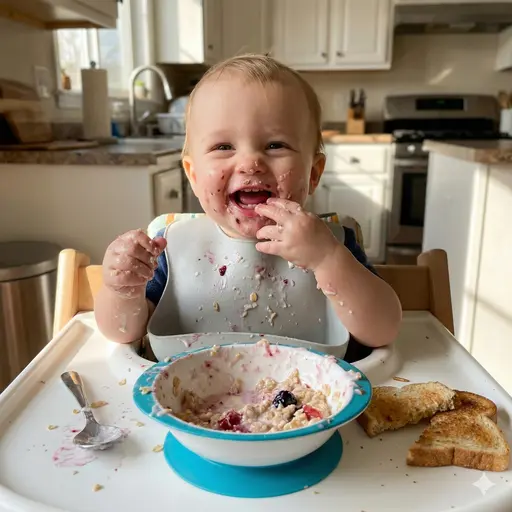
Can Babies Eat Honey? A Comprehensive Guide for Parents
Parenthood is a journey filled with joy and milestones. It also brings a constant stream of questions about your little one’s safety. Among the myriad of dietary queries, one stands out due to its specific medical implications: Can babies eat honey? People globally celebrate honey as a natural and delicious sweetener. It offers health benefits for older children and adults. However, it poses a severe, potentially life-threatening risk to infants.
The short and critical answer to the question “Can babies eat honey?” is a resounding no. Medical experts strictly advise against giving honey to children under one year old. This includes the Centers for Disease Control and Prevention (CDC) and the American Academy of Pediatrics (AAP). This article explains the medical reasons behind this strict prohibition. It explores the mechanism of infant botulism and analyzes the nutritional implications. Finally, it provides a roadmap for safely introducing this golden treat to your child.
Can Babies Eat Honey and What is Infant Botulism?
To understand the negative answer to “Can babies eat honey?”, we must look at the microscopic dangers within honey. Honey can contain spores of a bacterium called Clostridium botulinum. These spores are ubiquitous in nature; they exist in soil, dust, and agricultural products. For older children and adults, ingesting these spores is generally harmless. A mature digestive system is acidic and has a robust microbiome. This prevents spores from germinating, allowing them to pass through the body harmlessly.
However, an infant’s digestive system is fundamentally different. It is not yet fully developed and lacks the bacterial flora that serves as a defense mechanism in adults. If a baby ingests these spores, the bacteria can survive, colonize the large intestine, and begin to produce a potent neurotoxin. Doctors call this condition infant botulism.
Asking “Can babies eat honey?” is asking about exposing a child to a serious illness risk. The toxin the bacteria produces attacks the body’s nervous system, blocking nerve signals to the muscles. This leads to a progressive weakness and paralysis that can affect the baby’s ability to move, eat, and, critically, breathe. Therefore, the restriction is not merely a dietary preference but a crucial safety measure.
The Medical Consensus on “Can Babies Eat Honey“
The global medical community stands unified in its stance. Pediatricians and health organizations worldwide emphasize a zero-tolerance policy for the first 12 months. According to medical literature, researchers link honey most strongly to infant botulism cases among identifiable food sources. While environmental dust is another source of spores, honey remains a preventable risk factor.
A common misconception leads parents to ask, “Can babies eat honey if I cook or bake it?” The logic seems sound—we cook foods to kill bacteria. However, Clostridium botulinum spores are incredibly resilient. A protective shell encapsulates them, allowing them to survive extreme conditions, including the high temperatures bakers typically use. Consequently, processed foods, baked goods like honey wheat bread, granola bars, and syrups containing honey pose a safety risk for infants. The answer to “Can babies eat honey?” remains “no,” regardless of how you prepare the honey.
Recognizing the Signs: Why You Must Ask “Can Babies Eat Honey?”
Understanding the symptoms of infant botulism is vital for every parent. Symptoms typically manifest between 3 to 30 days after the baby has consumed the spore-contaminated honey. Did you accidentally feed your baby honey? Or did a relative give them a taste? You must be vigilant.
The progression of the illness often follows a descending pattern, starting from the head and moving down the body. Watch closely for these warning signs:
- Constipation: This often appears as the very first sign. Parents frequently overlook it or attribute it to other causes. If your baby has consumed honey and becomes constipated, consider it a red flag.
- Weakness and Lethargy: The baby may appear “floppy,” exhibiting a loss of muscle tone. They might have trouble holding up their head.
- Altered Cry: The baby’s cry may sound different—softer, weaker, or more pitiful than usual.
- Feeding Difficulties: The toxin affects the muscles used for sucking and swallowing. You may notice a weak suck, drooling, or formula/milk dribbling out of the mouth.
- Facial Paralysis: Loss of facial expression is a hallmark sign. This might present as drooping eyelids (ptosis) or a lack of expression even when stimulated.
- Respiratory Distress: In severe cases, the paralysis reaches the diaphragm and respiratory muscles, leading to difficulty breathing. This is a medical emergency.
If you suspect your baby has ingested honey and shows any of these signs, do not wait. Seek emergency medical attention immediately and inform the doctors that the child may have consumed honey. Early diagnosis and treatment are critical for recovery.
Treatment and Recovery
The treatment required for infant botulism underscores the severity of the answer to “Can babies eat honey?”. Doctors often treat this condition with hospitalization, frequently in the intensive care unit (ICU). Medical teams primarily treat the illness by administering an anti-toxin called Botulism Immune Globulin Intravenous (BIG-IV). This antitoxin helps neutralize the toxin circulating in the blood, preventing it from causing further damage to the nerves.
In addition to the antitoxin, supportive care is essential. This may include intravenous fluids for nutrition if the baby cannot swallow. Mechanical ventilation is needed if the baby cannot breathe. Recovery rates are high with proper medical care. However, the illness can be prolonged, requiring weeks of hospital stay and therapy. This grueling experience is why experts so strictly enforce the preventative rule regarding “Can babies eat honey?”.
When Can Babies Eat Honey Safely?
The “danger zone” typically ends at the first birthday. Once a child turns one year old, their digestive system has matured significantly. The gut flora is more established, and the acidity levels are better suited to prevent the germination of botulism spores. So, Can babies eat honey after 12 months? Generally, yes. Experts consider it safe for toddlers over the age of one.
However, some pediatricians and dental health experts suggest waiting even longer, sometimes up to two years of age. This secondary recommendation regarding “Can babies eat honey?” is not due to botulism risk. Instead, it is because honey is a form of free sugar. The American Academy of Pediatrics recommends avoiding added sugars for children under age 2. This prevents tooth decay, obesity, and a preference for overly sweet foods.
Do you feel your baby needs nutrients from honey? Rest assured, they do not. Breast milk or iron-fortified formula meets an infant’s needs. This pairs with solid foods like vegetables, fruits, and grains. Honey offers no essential nutrients that a baby cannot get from safer sources.
Can Babies Eat Honey for Coughs or Illness?
Many people know honey as a home remedy for soothing sore throats and suppressing coughs in adults and older children. Parents hate to see their infant suffer from a cold. They often ask, “Can babies eat honey to help with a cough?”
Absolutely not for infants under one year. The risk of botulism far outweighs any potential soothing benefit for a baby. For infants with colds, focus on hydration, using a humidifier, and consulting your pediatrician for safe remedies.
However, the guidance shifts as the child grows. For toddlers aged one to four years, honey can be an excellent, effective, and natural cough suppressant. The World Health Organization (WHO) cites studies on honey. It can be more effective than some cough medicines for reducing nighttime coughing in older children. A half-teaspoon of honey before bed can coat the throat and provide relief—but only after that crucial first birthday.
Safe and Healthy Alternatives for Sweetness
Since the answer to “Can babies eat honey?” is a firm no, parents often look for alternatives. They want to add flavor to their baby’s diet. Remember that babies do not have the same palate as adults. They do not crave added sugar unless you introduce it.
- Fruit Purees: Nature’s candy is the best alternative. Mashed bananas, applesauce, stewed pears, or pureed berries can add natural sweetness to oatmeal or yogurt.
- Breast Milk or Formula: These are naturally sweet and familiar to the baby, making them excellent vehicles for mixing with cereals.
- Spices: Mild spices like cinnamon or vanilla extract (alcohol-free) can add perceived sweetness and depth of flavor without added sugar.
- Avoid Other Syrups: Use corn syrup, maple syrup, and agave nectar with caution. Avoid them due to high sugar content. Botulism risk is uniquely high with honey.
Can Babies Eat Honey: Nutritional Perspectives and “Hidden” Honey
When analyzing “Can babies eat honey?” from a nutritional standpoint, it is important to view honey for what it is: sugar. It contains trace amounts of vitamins, minerals, and antioxidants. However, these amounts are negligible in small dietary quantities. For infants, honey provides “empty calories.” This displaces foods essential for rapid growth.
Furthermore, parents asking “Can babies eat honey?” must be vigilant about hidden sources. Honey is a popular ingredient in many processed foods companies market as “healthy” or “natural.”
- Teething Biscuits: Check labels carefully.
- Cereals and Granola: Many contain honey clusters or coatings.
- Baked Goods: Muffins, cakes, and breads often use honey for moisture and flavor.
- Pacifiers: Never dip a pacifier in honey. This dangerous practice directly delivers spores to the baby, and researchers have linked it to botulism cases.
- Formula: Never sweeten infant formula with honey.
Breastfeeding and Honey Consumption
A common follow-up question to “Can babies eat honey?” concerns breastfeeding mothers. Can a breastfeeding mother eat honey? Yes. Breast milk does not transmit botulism spores. Even if a mother ingests spores, her mature digestive system typically eliminates them, preventing them from entering the milk supply. However, hygiene is paramount. A mother should wash her hands after consuming honey. This prevents transferring spores to the baby’s mouth or pacifiers. The risk lies in the baby ingesting the honey directly, not through breast milk.
Different Types of Honey and Risks
Does the type of honey change the answer to “Can babies eat honey?” Parents often wonder if high-quality, expensive, or specific types of honey are safer.
- Raw Honey: High risk of spores; unprocessed and unpasteurized.
- Pasteurized Honey: Still carries a risk as spores are heat resistant. Pasteurization kills yeast and delays crystallization but does not destroy botulism spores.
- Honeycomb: Avoid this. In addition to the botulism risk, the waxy consistency poses a significant choking hazard for infants.
- Manuka Honey: Famous for its antibacterial properties in wound healing for adults, it is not safe for infants to eat.
- Local Honey: Marketers tout this for allergy relief, though evidence is mixed. It poses the same botulism risk as store-bought brands.
No matter the variety, price, or origin, the answer to “Can babies eat honey?” remains negative until the first birthday.
Conclusion: Can Babies Eat Honey?
In summary, when faced with the question “Can babies eat honey?”, the only safe and responsible answer is no. The risk of infant botulism, while rare, is a severe and potentially fatal consequence that you can entirely prevent. Avoid honey in all its forms—raw, cooked, baked, or processed—during the first year. This actively protects your child during a vulnerable period.
Key Takeaways for Parents:
- Wait until age 1: Do not give honey before the first birthday.
- Watch for symptoms: If accidental ingestion occurs, monitor for constipation, muscle weakness, and feeding issues.
- Consult your pediatrician: Unsure about specific products? If your baby shows signs of illness, talk to your doctor immediately.
- Read labels: Be a detective in the grocery aisle. Ensure packaged foods do not contain honey.
- Focus on whole foods: Rely on fruits and vegetables for natural sweetness and nutrition.
Adhere to the rule that Can babies eat honey is a “no” for infants. This ensures safety while their digestive system matures. Once they pass that first milestone, honey can be a sweet addition to a diet. It offers unique flavors and benefits without the risk.
The following posts may interest you
Infant Nutrition Guidelines: Essential Advice for Healthy Growth
What Are the Best First Foods for a Baby: A Comprehensive Guide
What Foods Should I Avoid Giving My Baby? A Parent’s Guide
Sources
What’s the deal with feeding honey to babies?
https://baileybeesupply.com/wp-content/uploads/202505_Whats_the_deal_with_feeding_honey_to_babies.pdf
Honey as Nutrient and Functional Food
https://freethebees.ch/wp-content/uploads/2020/06/HoneyNutrientFunctional.pdf
The Influence of Consuming Honey on The Eating Frequency of Children Under Five Years (3-5 Years)