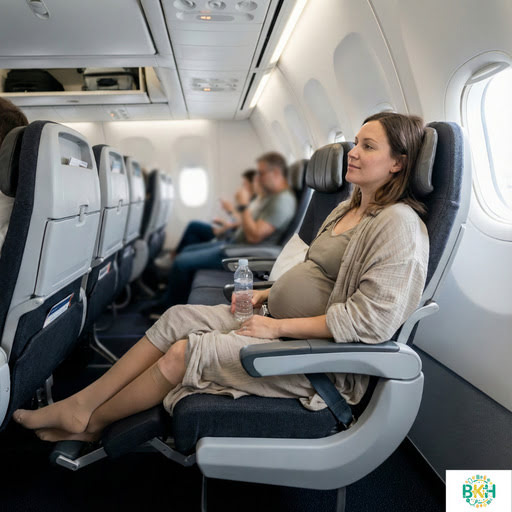
Can you fly while pregnant? A Comprehensive Guide to Air Travel Safety
For many expecting parents, the question of travel safety is a top priority. Whether you are planning a “babymoon” to relax before the arrival of your little one, or you have essential work travel, you are likely asking yourself: “Can you fly while pregnant?” The short answer is generally yes, but there are important nuances, medical considerations, and airline policies that every pregnant traveler must know. This comprehensive guide will explore every aspect of aviation during pregnancy, drawing from medical studies, NHS advice, and airline regulations to ensure you and your baby stay safe.
Can you fly while pregnant Safely? Understanding the Basics
The most common concern among expectant parents is whether the act of flying itself poses a risk. Generally, Can you fly while pregnant without harming the baby? For the vast majority of pregnant people with uncomplicated pregnancies, air travel is considered safe. The American College of Obstetricians and Gynecologists (ACOG), the Royal College of Obstetricians and Gynaecologists (RCOG), and other medical bodies agree that occasional air travel does not pose significant risks to a healthy pregnancy.
However, the decision depends heavily on your medical history and the stage of your pregnancy. When you ask your doctor, “Can you fly while pregnant?”, they will assess whether you have any conditions that could be exacerbated by flight. Conditions such as severe anemia (hemoglobin < 7.5 g/dl), a history of blood clots (thrombosis), low lying placenta (placenta previa), or a history of vaginal bleeding can make air travel risky. Ideally, you should always consult your healthcare provider before booking a flight. They can review your prenatal records and give you the “all clear” to travel.
The Best Time to Travel: Can you fly while pregnant in Every Trimester?
Timing is everything when planning a trip. While you might wonder, “Can you fly while pregnant at any time?”, the experience and safety profile change as your pregnancy progresses. Understanding the specific risks and comfort levels of each trimester is crucial for planning a stress-free journey.
Can you fly while pregnant in the First Trimester?
The first trimester (weeks 1 to 12) is often accompanied by nausea, vomiting, and extreme fatigue. From a medical safety standpoint, the answer to “Can you fly while pregnant in the first trimester?” is yes. Contrary to common myths, flying does not increase the risk of miscarriage or ectopic pregnancy. However, morning sickness can make the journey uncomfortable. The cabin pressure and potential turbulence might worsen nausea. If you are feeling well and have confirmed the viability of the pregnancy (usually via an early ultrasound if you have a history of issues), there is no medical reason to avoid flying, but be prepared for potential exhaustion.
Can you fly while pregnant in the Second Trimester?
Most experts and parents agree that the second trimester (weeks 14 to 28) is the “sweet spot” for travel. If you are asking, “Can you fly while pregnant comfortably?”, this is the best time. By this stage, morning sickness has usually subsided, and your energy levels have returned. Furthermore, the risk of preterm labor is lower than in the third trimester. This is the ideal time for that babymoon. Statistically, the risks of common pregnancy emergencies are lowest during this period, allowing you to enjoy your trip with peace of mind.
Can you fly while pregnant in the Third Trimester?
The third trimester presents the most challenges. Many people ask, “Can you fly while pregnant in the final months?” The answer becomes more restrictive. After 36 weeks (or 32 weeks for twins), most airlines prohibit travel because the likelihood of going into labor increases significantly. Traveling late in pregnancy can be tiring and uncomfortable, and you must consider the availability of medical care at your destination. The risk of water breaking or labor starting mid-flight, while rare, is a scenario airlines want to avoid.
Medical Risks: Can you fly while pregnant with Complications?
While healthy pregnant people can fly, those with specific complications need to be cautious. When evaluating “Can you fly while pregnant with medical issues?”, consider the following risks carefully.
Can you fly while pregnant and Avoid Blood Clots?
One of the most significant risks associated with air travel is Deep Vein Thrombosis (DVT), or blood clots. Pregnancy already increases the risk of DVT due to hormonal changes and pressure on the pelvic veins by the growing uterus. When you sit for long periods in a cramped airplane seat, this risk rises. So, Can you fly while pregnant safely regarding DVT? Yes, but you must take precautions.
Wearing graduated compression stockings, staying hydrated, and moving your legs frequently are essential preventative measures. Experts recommend walking up and down the aisle every 30 minutes to an hour. If you are seated, perform calf exercises: flex and extend your ankles to keep the blood pumping.
Can you fly while pregnant with High Blood Pressure or Diabetes?
If you have preeclampsia, uncomplicated high blood pressure, or poorly controlled diabetes, your doctor may advise against flying. In these cases, the answer to “Can you fly while pregnant?” might be “no” to protect both you and the baby from medical emergencies where care isn’t immediately available. Severe anemia, sickle cell disease, and a history of preterm labor are also major red flags. The lower oxygen levels in the cabin, although pressurized, can affect pregnant people with significant anemia or cardiovascular issues.
Understanding Radiation and Airport Security
A common myth involves radiation. Expectant parents often worry, “Can you fly while pregnant due to cosmic radiation?” Research indicates that for the occasional flyer, the radiation exposure is negligible. A standard transcontinental flight exposes you to a fraction of the radiation of a chest X-ray. It is generally considered safe for the fetus. However, flight attendants or frequent flyers might exceed recommended limits and should consult occupational health standards. Similarly, airport security scanners are considered safe for pregnant people. They use low-frequency electromagnetic fields that do not harm the fetus.
Airline Policies: Can you fly while pregnant Internationally?
Airline rules vary, and they can dictate your travel plans. When asking “Can you fly while pregnant on this specific airline?”, you must check their website as policies differ between carriers like British Airways, Turkish Airlines, or American carriers.
Can you fly while pregnant Without a Doctor’s Note?
Up until 28 weeks, most airlines do not require documentation. However, after the 28th week, many carriers require a medical certificate. This letter must confirm your due date, state that you are in good health, indicate if it is a singleton or multiple pregnancy, and explicitly answer “Can you fly while pregnant?” with a “yes” from your doctor. Without this letter, you may be denied boarding. The letter usually needs to be dated within 14 days of travel.
Can you fly while pregnant with Twins or Multiples?
If you are expecting more than one baby, the rules are stricter. Can you fly while pregnant with twins? Generally, yes, but the cutoff is usually earlier. NHS advice and many airlines suggest that for multiple pregnancies, travel is not permitted after the 32nd week. The risk of preterm labor is higher with multiples, making air travel risky in the later stages. Always disclose that you are carrying multiples to the airline when booking.
Practical Tips: Can you fly while pregnant and Stay Comfortable?
Comfort is key. Once you have established that the answer to “Can you fly while pregnant?” is yes, focus on making the trip pleasant.
Can you fly while pregnant in an Aisle Seat?
Absolutely, and you should! Choosing an aisle seat allows you to get up and walk around easily, which is crucial for circulation. It also makes those frequent trips to the restroom much easier. Request an aisle seat or one with extra legroom whenever possible. Avoid exit rows, as some airlines restrict pregnant people from sitting there due to the physical requirements of operating the emergency door.
Can you fly while pregnant and Stay Hydrated?
Cabin air is very dry. Dehydration can contribute to fatigue and increase the risk of DVT. Drink plenty of water throughout the flight. Avoid carbonated drinks and gas-producing foods like broccoli or beans before flying. Gas expands at altitude, and this can cause significant bloating and abdominal discomfort, which is already a common issue in pregnancy.
Seatbelt Safety and Clothing
When you buckle up, make sure the strap is below your bump, low across your hips. This protects the baby in case of turbulence. Wear loose, comfortable clothing and layers, as cabin temperatures can fluctuate. Sensible, flat shoes are a must in case your feet swell during the flight.
International Considerations and Preparation
If you are traveling abroad, you must ask more than just “Can you fly while pregnant?” You must also ask about the destination’s health risks and infrastructure.
Travel Vaccinations and Health Risks
Can you fly while pregnant to tropical destinations? You should be extremely cautious. The Zika virus and Malaria pose severe risks to the fetus. Zika can cause congenital birth defects, and Malaria is more severe in pregnant people, increasing risks of stillbirth. Many health organizations recommend avoiding travel to areas with active Zika transmission. If you must travel to a malaria-endemic zone, consult your doctor about safe prophylaxis (anti-malarial tablets) and rigorous mosquito bite prevention. Regarding vaccinations, live vaccines (like Yellow Fever) are generally avoided during pregnancy, while inactivated vaccines (like Flu or Tetanus) are often considered safe if the risk of infection is high.
Importance of Travel Insurance
Never assume your standard policy covers you. When asking “Can you fly while pregnant?”, also ask your insurer if you are covered. Many policies only cover pregnancy-related issues up to 28 weeks. Ensure your travel insurance covers medical care during labor, premature birth, and the cost of changing your return trip. Medical evacuation for a preterm baby can cost tens of thousands of dollars, so comprehensive coverage is non-negotiable.
Medical Care Abroad
Before you go, ensure your destination has adequate medical facilities. Can you fly while pregnant to a remote island? You can, but if you go into labor early, does the local clinic have a neonatal intensive care unit (NICU)? Always carry your maternity notes (handheld notes) and travel insurance documents with you. These notes contain vital information about your blood type, due date, and medical history that a foreign doctor would need in an emergency.
Conclusion
So, Can you fly while pregnant? For most pregnant people with healthy pregnancies, the answer is a resounding yes, provided you take the right precautions. By timing your travel for the second trimester, wearing compression stockings, staying hydrated, and adhering to airline regulations, you can travel safely. However, always prioritize your health and consult your doctor before booking. Understanding the answer to “Can you fly while pregnant” for your specific situation ensures a safe journey for you and your baby.
The following post may interest you
Foods to avoid during pregnancy: A Complete Safety Guide
Pregnancy Weight Gain: Insights and Strategies
First Period After Pregnancy: What to Expect and How to Manage
Sources
Advising on travel during pregnancy
https://researchonline.lshtm.ac.uk/id/eprint/760/1/bmj.d2506.full.pdf
Flying while pregnant: what is the thrombosis risk?
https://pmc.ncbi.nlm.nih.gov/articles/PMC7074658/pdf/taz084.pdf
Air travel during pregnancy: an update review and practical recommendation
https://repository.unar.ac.id/jspui/bitstream/123456789/2179/1/0390-6663-46-6-862.pdf