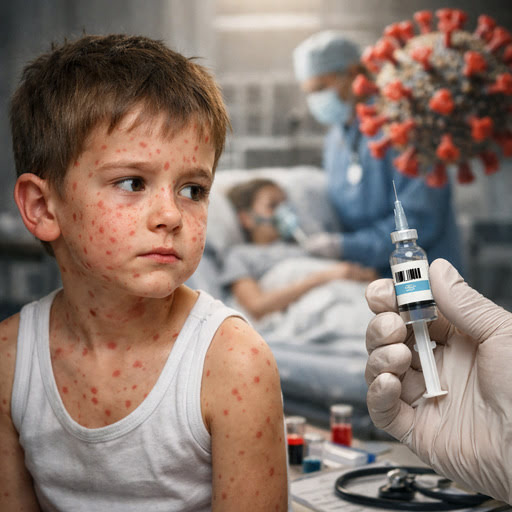
- Can You Get Measles If You’re Vaccinated?
- Can you still get measles after vaccination?
- Can you get measles if you’re vaccinated as a child?
- If I was vaccinated for measles as a child am I immune?
- Can I get measles if I was vaccinated 50 years ago?
- Can you pass on measles if vaccinated?
- Can you get measles if you only have one vaccine?
- What are the chances of getting measles if not vaccinated?
- Can a 2 year old get measles if vaccinated?
- Can you get measles if vaccinated and pregnant?
- Can you get measles if you’ve had it before?
- When do you get the measles vaccine?
- Frequently Asked Questions
- Conclusion
- Scientific Resources
Can You Get Measles If You’re Vaccinated? A Comprehensive Guide to Immunity and Risks
In recent years, and particularly with the surge of cases noted in 2025, a question that was once thought settled has resurfaced with urgency in medical offices and family homes alike: Can you get measles if you’re vaccinated? As outbreaks hit levels not seen in decades, understanding the nuances of immunization, breakthrough infections, and the robustness of the measles vaccine is critical for public health.
The short answer is yes, it is technically possible, but it is exceptionally rare. The measles disease is one of the most contagious viral infections known to humanity, yet the vaccine designed to stop it is among the most effective medical tools ever created. To fully grasp the situation, we must look beyond a simple yes or no and explore the efficacy rates, the concept of “breakthrough” cases, and why specific populations, including adults and children, might still be vulnerable despite the widespread availability of the mmr shot.
This comprehensive guide will explore the biological and statistical realities behind the question: Can you get measles if you’re vaccinated? We will examine the measles vaccine age requirements, the necessity of the mmr vaccine for adults, and the comparative statistics regarding the death rate of measles versus the measles survival rate.
Understanding the Measles Virus and the Vaccine Defense
To understand the likelihood of infection post-vaccination, one must first respect the adversary. Measles is airborne and hyper-contagious. If one person has it, up to 90% of the people close to that person who are not immune will also become infected. The virus can linger in the air for two hours after an infected person has left the room. Against such a formidable opponent, the measles vaccine acts as a biological shield.
How the MMR Shot Works
The mmr shot (Measles, Mumps, and Rubella) is a live, attenuated vaccine. This means it contains a weakened version of the virus that trains the immune system to recognize and fight the actual pathogen without causing the disease itself. When we ask, “Can you get measles if you’re vaccinated?“, we are essentially asking if this training process was successful and durable.
For the vast majority of people, the answer is a resounding yes. The Centers for Disease Control and Prevention (CDC) and other global health bodies confirm that two doses of the measles vaccine are about 97% effective at preventing measles if exposed to the virus. One dose is about 93% effective. This leaves a small gap—a roughly 3% chance of infection for the fully vaccinated—which is the statistical foothold for the question: Can you get measles if you’re vaccinated?
Can You Get Measles If You’re Vaccinated? Analyzing Breakthrough Cases
The phenomenon of a fully vaccinated person contracting the disease is known as a “breakthrough infection.” While the question “Can you get measles if you’re vaccinated?” often stems from fear, the data provides reassurance. Breakthrough cases are rare.
According to data from the CDC and the Mayo Clinic, fewer than 3 out of every 100 people who received two doses of the measles vaccine will get measles if exposed to the virus. Experts suggest that when these cases do occur, they are often linked to prolonged, intense exposure to an infected person, such as living in the same household or sitting next to someone on a long-haul flight.
Primary Vaccine Failure vs. Waning Immunity
When investigating Can you get measles if you’re vaccinated?, scientists look at two potential causes for failure:
- Primary Vaccine Failure: This occurs when an individual’s immune system simply fails to respond to the vaccine initially. This happens in about 2-5% of people after the first dose, which is precisely why the second mmr shot is recommended. The second dose catches those who didn’t respond the first time.
- Secondary Vaccine Failure (Waning Immunity): This refers to immunity fading over time. Unlike some other vaccines (like pertussis), measles immunity is generally considered lifelong. Waning immunity is extremely rare with measles, meaning the answer to “Can you get measles if you’re vaccinated?” is rarely “yes” due to the vaccine wearing off.
The Severity of Measles in Vaccinated Individuals: “Can You Get Measles If You’re Vaccinated?” and Still Be Safe?
One of the most crucial aspects of the query Can you get measles if you’re vaccinated? is not just infection, but the outcome of that infection. Even in the rare event that a vaccinated person contracts the virus, the vaccine provides a secondary layer of protection.
Measles disease in vaccinated people is almost always milder. They are less likely to have the classic high fever, the rash may be reduced or absent, and most importantly, they are significantly less likely to suffer from severe complications like pneumonia or encephalitis. Furthermore, vaccinated individuals who get a breakthrough infection have a lower viral load, meaning they are less contagious to others. So, while the answer to “Can you get measles if you’re vaccinated?” is “yes, rarely,” the consequences are vastly different compared to the unvaccinated.
Assessing the Risks: Death Rate of Measles vs. Measles Survival Rate
To contextualize the importance of the mmr shot, we must look at the alternative. For the unvaccinated, the measles disease is not a harmless childhood rite of passage.
The death rate of measles in developed countries is approximately 1 to 3 deaths per 1,000 cases. However, in populations with high malnutrition or lack of access to healthcare, the measles death rate can soar to 10% or higher. Conversely, the measles survival rate is high in countries with modern medicine, but “survival” often comes at a cost. Complications can include permanent hearing loss, intellectual disabilities from brain swelling, and severe respiratory damage.
When we ask, “Can you get measles if you’re vaccinated?“, we are comparing a 3% risk of a mild infection against a high risk of severe illness and potential mortality in the unvaccinated.
Vaccination Protocols and Age Groups: Can You Get Measles If You’re Vaccinated at the Wrong Time?
Timing matters. The effectiveness of the immunization depends heavily on adhering to the recommended measles vaccine age.
The Standard Schedule for Children
The CDC and pediatric associations recommend the following schedule:
- First Dose: 12 through 15 months of age.
- Second Dose: 4 through 6 years of age.
If a child receives the mmr shot before 12 months (often recommended for international travel between 6-11 months), that dose does not count toward the routine two-dose series. Parents traveling with infants often ask, “Can you get measles if you’re vaccinated?” regarding these early doses. The answer is that while it offers temporary protection, the immune response in infants is not as long-lasting, necessitating revaccination later.
The Necessity of MMR Vaccine for Adults
Many adults assume they are safe, but the question Can you get measles if you’re vaccinated? applies to them too, especially regarding their vaccination history.
Adults born before 1957 are generally presumed immune because they likely contracted measles disease naturally before the vaccine existed. However, adults born after 1957 who do not have evidence of immunity should receive at least one dose of the mmr vaccine for adults.
A specific concern arises for those vaccinated between 1963 and 1968. During this window, a “killed” (inactivated) version of the vaccine was used, which was not as effective. If you received this version, the answer to “Can you get measles if you’re vaccinated?” is a higher probability “yes.” Consequently, these individuals are advised to get revaccinated with the current live mmr shot.
The Role of Herd Immunity in Answering “Can You Get Measles If You’re Vaccinated?”
The individual risk of breakthrough infection is inextricably linked to community immunity. When you ask, “Can you get measles if you’re vaccinated?“, the likelihood increases if you are surrounded by unvaccinated individuals.
High vaccination rates (above 95%) create a buffer. If the virus cannot find a host, it cannot spread to reach the rare 3% of vaccinated people who might be susceptible. Recent outbreaks in tight-knit communities or schools with low vaccination rates demonstrate that when herd immunity crumbles, the answer to “Can you get measles if you’re vaccinated?” becomes a more pressing concern for the vulnerable.
2025 Outbreaks: Why We Are Still Asking “Can You Get Measles If You’re Vaccinated?”
The resurgence of measles in 2025, reaching a 33-year high in the United States, has forced a re-evaluation of public confidence. Misinformation and vaccine hesitancy have lowered coverage rates. In this environment, the viral load in the community is higher, testing the limits of the vaccine’s protection.
Health officials emphasize that the surge in cases is largely driven by unvaccinated individuals. Of the 1,288 cases reported in early 2025, 92% were unvaccinated. The remaining small percentage represents the breakthrough cases. This data reinforces that while we must ask “Can you get measles if you’re vaccinated?“, the risk is disproportionately borne by those who have refused the mmr shot.
Verifying Your Status: How to Know if You Are Protected
If you are worried about the question “Can you get measles if you’re vaccinated?“, the best course of action is verification.
- Check Records: Look for documentation of two doses of MMR.
- Blood Titers: A doctor can order a blood test to check for antibodies. If your titers are low, you may need a booster.
- Presumptive Immunity: Birth before 1957 usually grants immunity, though healthcare workers in this age group should still verify.
There is no harm in getting another mmr shot if you are unsure of your status. Given the current measles death rate risks versus the safety of the vaccine, over-vaccination is preferable to under-protection.
Conclusion: Navigating the Risk
So, Can you get measles if you’re vaccinated? Yes, it is a statistical possibility, but it is an anomaly. The vaccine remains the gold standard of protection. It prevents the vast majority of infections, and in the rare cases where it doesn’t, it almost certainly prevents death and severe disability.
The resurgence of measles disease is a reminder that viruses do not disappear just because we ignore them. Ensuring you and your family are up to date with the mmr shot, adhering to the correct measles vaccine age, and verifying the need for mmr vaccine for adults are the most effective steps you can take. By doing so, you minimize the chance that you will ever have to personally experience the answer to “Can you get measles if you’re vaccinated?“
Frequently Asked Questions
Can you still get measles after vaccination?
Yes, it is technically possible to contract measles after vaccination, though such cases are exceptionally rare. Statistics show that about 3 out of every 100 people who receive the full two-dose course of the measles vaccine might still get infected if they are exposed to the virus. These “breakthrough” infections usually occur because the person’s immune system did not respond fully to the vaccine initially or, less commonly, because immunity waned over time. However, the good news is that if a vaccinated person does become sick, the illness is almost always much milder than in an unvaccinated person. They are less likely to experience high fevers or severe complications, and they are significantly less likely to spread the disease to others around them.
Can you get measles if you’re vaccinated as a child?
If you received the recommended two doses of the measles vaccine during childhood, medical experts consider you protected for life in approximately 97% of cases. Unlike some vaccines where protection fades significantly over the years, the measles vaccine provides robust, long-term immunity that typically does not require a booster in adulthood. The concept of waning immunity is not a major concern for measles, meaning your childhood shots are likely still effective today. However, if you are entering a high-risk environment, such as a healthcare setting or an area with an active outbreak, you should verify your status. If you lack written proof of vaccination, a doctor can perform a simple blood test to confirm you are still immune.
If I was vaccinated for measles as a child am I immune?
You are most likely immune if you have official written documentation showing you received two doses of the MMR vaccine after your first birthday. However, if your records show you only received a single dose, you may not have the full 97% protection, leaving a small gap in your immunity. Furthermore, individuals vaccinated between 1963 and 1968 might have received an inactivated “killed” vaccine, which was later found to be less effective than the modern live version. If you fall into this specific category or are unsure of your vaccination history, checking your immunity with a blood titer test is highly recommended. If the test shows low antibody levels, your doctor will likely recommend a booster shot to ensure you are fully protected.
Can I get measles if I was vaccinated 50 years ago?
Whether you are immune after being vaccinated 50 years ago depends heavily on the specific year and the type of vaccine administered at that time. If your vaccination occurred between 1963 and 1968, you might have received an inactivated (killed) vaccine which does not offer lifelong protection, and you should consult a doctor about getting revaccinated with the current MMR shot. Conversely, if you received the live attenuated vaccine which became the standard after 1968, your protection is likely still strong and durable today. For those born before 1957, presumptive immunity is generally assumed because the virus was so prevalent that nearly everyone contracted it naturally. Regardless of age, if you are unsure of your status during an outbreak, seeking medical advice is the safest course of action.
Can you pass on measles if vaccinated?
It is highly unlikely for a fully vaccinated person to transmit the measles virus to others, even if they contract a breakthrough infection. In the rare instances where a vaccinated individual does get infected, their immune system typically suppresses the virus quickly, resulting in a significantly lower viral load compared to an unvaccinated patient. This reduced viral load means they shed the virus for a much shorter period, making them far less contagious to those around them. Consequently, widespread vaccination not only protects the individual but also creates a “cocoon” of safety that prevents the virus from spreading through the community. This biological barrier is a key component of herd immunity, protecting those who cannot be vaccinated themselves.
Can you get measles if you only have one vaccine?
Yes, relying on only one dose of the measles vaccine leaves you with a higher risk of infection compared to receiving the recommended two doses. Clinical data shows that a single dose of the MMR vaccine is approximately 93% effective, which is excellent but still lower than the 97% efficacy achieved with two doses. This statistical gap of roughly 7% represents a population of “primary vaccine failures,” where the immune system didn’t quite catch on the first try. The second dose is primarily intended to close this gap by immunizing those who didn’t respond to the first shot. Therefore, if you are an adult and have only ever had one dose, it is strongly advised to get a second dose to maximize your protection.
What are the chances of getting measles if not vaccinated?
The chances of contracting measles if you are unvaccinated and exposed to the virus are extraordinarily high, hovering around 90%. Measles is an airborne virus that is so contagious it can linger in a room for up to two hours after an infected person has left, infecting nearly everyone who enters without immunity. This high transmission rate means that in a community with low vaccination rates, an outbreak can spread like wildfire, overwhelming public health systems. Unvaccinated individuals are also at a much higher risk for severe complications, including pneumonia, brain swelling (encephalitis), and even death. This reality underscores why maintaining high herd immunity is critical to preventing the virus from finding susceptible hosts.
Can a 2 year old get measles if vaccinated?
A 2-year-old who has received their first dose of the MMR vaccine (typically given between 12 and 15 months) is generally well-protected, with an efficacy rate of about 93%. While this offers significant defense, it is still possible for them to contract measles if exposed, especially during a high-intensity outbreak. The 7% of children who do not develop full immunity after the first dose remain vulnerable until they receive their second dose, which is usually scheduled for ages 4 to 6. During an outbreak, health officials might recommend receiving the second dose earlier than usual to close this immunity gap. Even with just one dose, a vaccinated 2-year-old is likely to have a much milder case than an unvaccinated child.
Can you get measles if vaccinated and pregnant?
It is extremely rare for a pregnant woman to contract measles if she has been previously vaccinated, as the vaccine provides long-lasting immunity. However, if a woman is not immune, she faces a dilemma because the MMR vaccine contains a live virus and cannot be administered during pregnancy due to theoretical risks to the fetus. If an unvaccinated woman becomes pregnant, she must rely entirely on the immunity of those around her (herd immunity) to stay safe from infection. Contracting wild measles while pregnant can be dangerous, potentially leading to complications like premature birth or low birth weight. Therefore, checking immunity status before trying to conceive is a crucial step in family planning.
Can you get measles if you’ve had it before?
No, it is generally accepted that you cannot get measles again if you have already had the disease in the past. Recovering from a natural measles infection trains your immune system to create memory B cells that provide lifelong immunity against the virus. This is why public health officials consider people born before 1957 to have “presumptive immunity,” as the virus was so widespread then that nearly everyone was infected during childhood. While there are exceptionally rare case reports of reinfection, for the vast majority of the population, a previous history of measles confers permanent protection. This natural immunity is just as robust as the immunity acquired through the full vaccination schedule.
When do you get the measles vaccine?
The Centers for Disease Control and Prevention (CDC) has established a two-dose schedule for the MMR vaccine to ensure maximum protection. The first dose is routinely administered when a child is between 12 and 15 months old, while the second dose is given between the ages of 4 and 6 years, just before starting school. However, exceptions exist; for example, infants traveling internationally can receive a dose as early as 6 months of age to provide temporary protection. Adults who do not have evidence of immunity should also get at least one dose of the vaccine, and in some high-risk cases, two doses spaced 28 days apart. Following this schedule is the best way to prevent infection and outbreaks.
The following post may interest you
What Are the Side Effects of Vaccines in Babies? | Learn More
What Vaccines Does My Baby Need? Essential Guide
Are COVID-19 Vaccines Safe for Pregnant People?
Sources
Measles Vaccination
https://www.cdc.gov/measles/vaccines/index.html
Clinical Questions about Measles
https://www.cdc.gov/measles/hcp/clinical-overview/questions.html
Measles
https://www.who.int/news-room/fact-sheets/detail/measles
Measles vaccines: WHO position paper, April 2017 – Recommendations
https://www.sciencedirect.com/science/article/abs/pii/S0264410X1730974X
Estimation of measles vaccine efficacy and critical vaccination coverage in a highly vaccinated population