- Understanding Cradle Cap: A Comprehensive Guide for Parents
- What Exactly Is Cradle Cap?
- Symptoms
- Causes
- Effective Cradle Cap Treatment Options
- Medical Treatment
- Complications
- How to Prevent Cradle Cap
- Frequently Asked Questions
- Scientific Sources
Understanding Cradle Cap: A Comprehensive Guide for Parents
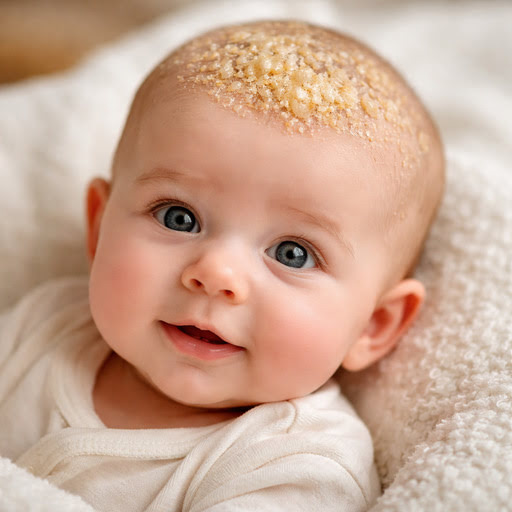
If you have recently noticed crusty, oily, yellow, or scaly patches appearing on your baby’s delicate head, you are likely dealing with a very common condition known as Cradle Cap. This skin issue affects a significant percentage of newborns and infants worldwide, typically emerging within the first few weeks of life. While the sight of these thick, flaky scales can look alarming to new parents—often causing unnecessary worry about hygiene, allergies, or potential skin damage—it is crucial to understand that Cradle Cap is generally harmless, completely non-contagious, and usually does not cause any pain or discomfort to the baby. It is essentially a cosmetic issue rather than a serious medical one, but understanding how to manage it can provide peace of mind and keep your baby’s scalp healthy.
What Exactly Is Cradle Cap?
Cradle Cap is the widely used common name for a skin condition known medically as infantile seborrhoeic dermatitis. It manifests as rough, yellow, or dark brown crusts that cling tightly to the scalp of infants. While it is most frequently found on the vertex (crown) and frontal areas of the scalp—hence the colloquial name “cradle” referring to the crib and “cap” referring to the head—the condition is not strictly limited to this area. It can also appear on the eyebrows, eyelids (blepharitis), external ears, the creases around the nose, and even in the diaper area or armpits. When these symptoms appear on the body or face rather than the scalp, the condition is simply referred to as seborrhoeic dermatitis or infantile seborrhea.
This condition is emphatically not caused by poor hygiene, infrequent bathing, or an allergic reaction to products. Instead, it is a biological occurrence related to the baby’s developing oil glands and the natural process of skin renewal. For the vast majority of babies, Cradle Cap is a temporary, self-limiting phase. It typically clears up on its own within a few weeks or months, often disappearing completely by the time the baby reaches their first birthday. However, the duration can vary significantly; for some infants, it may persist until age two or three, or become thick and stubborn. In these cases, parents often seek a specific treatment for cradle cap to help clear the unsightly scales and maintain the integrity of the scalp barrier.
Historically, this condition has been known by various names such as “crusta lactea” (milk crust) or “honeycomb disease” due to its appearance. Regardless of the name, the pathology remains the same: an inflammation of the skin areas rich in sebaceous glands. While it is benign, differentiating it from other skin disorders like atopic dermatitis (eczema) or tinea capitis (ringworm) is essential for proper management. Unlike eczema, which is intensely itchy and often disrupts a baby’s sleep and feeding, seborrhoeic dermatitis is rarely itchy and usually does not bother the infant at all.
Recognizing the Symptoms of Cradle Cap
Identifying Cradle Cap is usually straightforward for parents and pediatricians because its physical appearance is quite distinct and characteristic. Unlike simple dry skin, which appears as fine, white, powdery flakes that easily brush away, Cradle Cap presents as thick, adherent, greasy plaques. The appearance of the scales can vary from baby to baby, often ranging in color from pale yellow to dark brown, depending largely on the baby’s skin tone and the severity of the oil buildup.
Key Signs to Look For:
- Thick Crusts: The most telling sign is patches of yellow, brown, or grayish scales that feel waxy, sticky, or greasy to the touch. These crusts can look like dried wax drippings.
- Flaking Skin: You may notice white or yellow flakes that shed like severe dandruff when the baby’s head is rubbed or brushed. These flakes are often larger and oilier than typical dry skin flakes.
- Redness: In babies with lighter skin tones, the area of the scalp underneath and around the crusts may look mild to moderately red (erythematous). In babies with darker skin tones, the patches may look lighter (hypopigmented) or darker (hyperpigmented) than the surrounding healthy skin, but the inflammation is still present.
- Location: While concentrated on the crown of the head, the scales can spread to the forehead, eyebrows, behind the ears, and into the neck folds.
- Hair Involvement: The scales can stick to hair shafts, and sometimes, when the scales fall off or are removed, a small amount of hair may come away with them. This hair loss is temporary, and hair grows back once the inflammation subsides.
An important distinction to make during your inspection is that Cradle Cap usually does not bother the baby. If your baby seems extremely irritable, is scratching the head constantly, or if the skin is weeping clear fluid, cracking, or bleeding, it might not be simple seborrhoeic dermatitis. It could be infected cradle cap or a different condition entirely, such as atopic dermatitis (eczema) or scabies, which requires a completely different medical management strategy.
Cradle Cap vs Dry Skin: How to Tell the Difference
One of the most common questions new parents ask their pediatricians is how to determine whether their baby has Cradle Cap vs dry skin. While both conditions result in flaking of the scalp, the texture, cause, and appearance are fundamentally different, requiring different approaches to care.
- Dry Skin: This condition usually presents as small, fine, white, dry flakes. The skin feels rough to the touch but lacks the oily or waxy texture. Dry skin is often caused by cold weather, low humidity, or bathing too frequently with harsh soaps. It often improves quickly with the application of a simple, hypoallergenic moisturizer and by reducing bath frequency.
- Cradle Cap: The key identifier here is the grease. Cradle Cap scales are often sticky, oily, yellowish, and thick. They adhere more firmly to the scalp and form thicker plaques than simple dry skin. The term seborrheic dermatitis scalp refers to this greasy, inflammatory process, which is distinct from mere dehydration (xerosis) of the epidermis.
Understanding this difference is crucial because the effective treatment for cradle cap often involves using oils or specialized shampoos to loosen these sticky sebum deposits, whereas dry skin simply needs hydration. Using a heavy, medicated Cradle cap shampoo on simple dry skin might strip natural oils further and worsen the dryness, while using a light lotion on seborrhoeic dermatitis might not be enough to penetrate the thick, waxy crusts to provide relief.
The Biological Causes of Cradle Cap
The exact, definitive cause of Cradle Cap is not fully understood by medical science, but experts agree that it is likely a multifactorial condition involving hormonal, fungal, and genetic factors. It is vital to reiterate that it is not an infection in the traditional sense, nor is it caused by the baby being “dirty.” It is a physiological state that many infants go through.
Overactive Sebaceous Glands
The leading medical theory involves the sebaceous glands, which are the microscopic exocrine glands in the skin that secrete an oily or waxy matter, called sebum, to lubricate and waterproof the skin and hair of mammals. Towards the end of pregnancy, hormones from the mother (specifically androgens) pass through the placenta to the baby. These maternal hormones continue to circulate in the baby’s bloodstream for several weeks or even months after birth. These hormones can over-stimulate the baby’s sebaceous glands, causing them to produce an excess amount of sebum. This excess oil acts like a glue, trapping dead skin cells that would normally dry up and shed naturally. Instead of falling off, these cells stick to the scalp and to each other, forming the characteristic thick, yellow crusts of Cradle Cap. As hormone levels stabilize over time, the oil production normalizes, explaining why the condition often resolves on its own.
The Role of Yeast (Malassezia)
Another significant contributing factor is a type of lipophilic (oil-loving) yeast called Malassezia (formerly known as Pityrosporum). This yeast lives naturally as part of the normal skin flora on humans, including adults and babies, and usually causes no problems. However, Malassezia thrives in oily environments—like an infant’s scalp that is producing excess sebum. The yeast feeds on the lipids in the sebum. In susceptible babies, the metabolic byproducts of this yeast can irritate the skin and trigger an inflammatory response. This inflammation leads to an accelerated turnover of skin cells and the formation of the scaly plaques seen in seborrheic dermatitis of scalp. This fungal connection explains why antifungal ingredients like ketoconazole are often effective in cradle cap treatment for persistent cases.
Effective Cradle Cap Treatment Options
While Cradle Cap often resolves on its own without intervention, many parents prefer to treat it to improve the baby’s appearance, reduce the risk of infection, and prevent the crusts from becoming too thick and unsightly. The primary goal of any treatment for cradle cap is to gently loosen the scales and wash them away without irritating or damaging the baby’s delicate, developing skin barrier.
Step-by-Step Home Care Routine
A consistent routine is key to managing this condition.
- Apply Oil: Gently massage a small amount of oil onto the patches on the baby’s scalp. The oil helps to soften and dissolve the sticky sebum holding the crusts together. (See the detailed section below on the Best oil for cradle cap).
- Wait: Let the oil sit on the scalp for approximately 15 to 60 minutes. This dwell time allows the oil to penetrate the thick scales. Do not leave the oil on overnight or permanently without washing it off. Leaving oil on for too long can clog the pores further and, because Malassezia yeast feeds on lipids, it could theoretically worsen the Cradle Cap if not removed.
- Brush: Once the scales are softened, use a soft-bristled baby brush, a soft toothbrush, or a specialized cradle cap comb to gently loosen the scales from the scalp. Move the brush in small circular motions or gentle strokes. Never pick or scratch the scales with your fingernails. Picking can remove skin that isn’t ready to shed, causing pain, bleeding, and creating an open wound susceptible to an infected cradle cap.
- Wash: Wash the baby’s hair thoroughly with a specialized Cradle cap shampoo or a mild, tear-free baby shampoo. You must ensure all the oil is washed out completely. If oil residue remains, it can accumulate and restart the cycle of scale formation.
- Repeat: You can repeat this process every few days. Daily washing might be too drying for some babies’ skin, so monitor your child’s scalp. If it becomes dry or red, reduce the frequency.
Choosing the Best Oil for Cradle Cap
Selecting the Best oil for cradle cap is a topic of some debate among pediatricians, dermatologists, and parents. Traditionally, parents have reached for whatever oil is available in the kitchen, but strictly speaking, not all oils are created equal when it comes to the integrity of an infant’s skin barrier.
- Mineral Oil / Baby Oil: This is often the top recommendation by medical professionals (like those at Mayo Clinic) because it is inert and non-comedogenic. It softens the scales effectively without being absorbed into the bloodstream or causing allergic reactions. Importantly, it does not provide a food source for the Malassezia yeast, making it a safe choice for cradle cap treatment.
- Coconut Oil: Many parents prefer natural, plant-based options, and coconut oil is a very popular choice. It has mild natural antifungal properties and smells pleasant. It is generally considered safe and effective for softening scales.
- Almond Oil: This oil can be effective and soothing, but parents must be extremely cautious about potential nut allergies. If there is a family history of nut allergies, it is safer to avoid this option.
- Olive Oil: Historically, olive oil was the go-to remedy. However, it is now viewed with caution by some health organizations, such as the NHS and some dermatologists. Recent studies suggest that olive oil might damage the skin barrier in infants with eczema or sensitive skin due to its high oleic acid content, which can increase permeability. However, other sources like the Royal Children’s Hospital still list it as a viable option. If you choose to use it, ensure it is washed off completely and immediately after the softening period.
- Peanut Oil: This should generally be avoided entirely due to the risk of severe allergic reactions in sensitized infants.
- Specialized Gels: There are also non-oily, water-based gels and sprays available at pharmacies specifically designed to soften scales without adding lipids to the scalp.
The Best oil for cradle cap is ultimately one that softens the scales effectively without irritating your baby’s specific skin type. Always perform a patch test with any new oil on a small area of the baby’s skin before applying it to the entire scalp.
Cradle Cap Shampoo and Washing Techniques
Regular and effective washing is the cornerstone of preventing and treating the buildup associated with Cradle Cap. The excess oils must be removed to stop the dead skin cells from clumping together.
For mild cases, a standard, fragrance-free, hypoallergenic baby shampoo is usually sufficient. You should lather the shampoo in your hands, apply it to the wet scalp, and gently massage with a washcloth or a soft silicone scrub brush.
For more stubborn or recurrent cases, a specialized Cradle cap shampoo might be necessary. These over-the-counter shampoos often contain ingredients specifically designed to break down sebum and reduce flaking. Some formulations may contain salicylic acid (in very low, baby-safe percentages to exfoliate), sulfur, or zinc pyrithione.
If the seborrheic dermatitis scalp condition is severe or inflamed, a pediatrician might prescribe a medicated shampoo containing ketoconazole (usually 2%). This is a potent antifungal medication that directly targets the yeast population driving the inflammation. However, medicated shampoos should only be used under the strict guidance of a healthcare professional, as they can be drying or irritating to a baby’s sensitive eyes and mucous membranes. Unlike adult anti-dandruff shampoos, which can be toxic to babies if absorbed through the skin, prescribed infant formulations are safer but still require caution.
Medical Treatment for Cradle Cap
Most cases of Cradle Cap are purely cosmetic and do not require professional medical intervention. However, if home remedies like the oil-and-brush method do not yield results after a few weeks, or if the condition spreads to other parts of the body (face, neck, diaper area), medical treatment for cradle cap may be required.
Doctors may prescribe a low-potency hydrocortisone cream (usually 1%) if the scalp is very red, inflamed, or irritated. This steroid cream helps reduce the inflammation and redness associated with seborrhoeic dermatitis. As mentioned previously, antifungal creams (like clotrimazole or miconazole) or shampoos (like ketoconazole) are considered the gold standard for medical cradle cap treatment when the fungal/yeast component is significant.
It is critically important to remember that seborrheic dermatitis of scalp in infants is physiologically different from adult dandruff, although they share some similarities. Adult anti-dandruff shampoos often contain stronger concentrations of chemicals like selenium sulfide or coal tar, which are too harsh for a baby’s thin skin and can be toxic. Always use products specifically formulated for infants unless explicitly directed otherwise by a board-certified pediatrician or dermatologist.
Managing Persistent Seborrheic Dermatitis Scalp Conditions
If Cradle Cap persists well beyond the first year of life, or if it appears very widespread on the body, it is important to reconsider the diagnosis. While seborrheic dermatitis of scalp is the most common reason for these symptoms, other conditions like psoriasis, Langerhans cell histiocytosis (a rare condition), or fungal infections like tinea capitis can mimic the appearance of Cradle Cap.
A persistent case of seborrheic dermatitis might require a longer-term maintenance plan. This could involve using a medicated Cradle cap shampoo once a week or once every two weeks even after the scales have visibly cleared. This “maintenance therapy” helps to keep the Malassezia yeast population in check and prevents the scales from returning. Consistent monitoring and quick action at the first sign of recurrence are key to managing persistent cases effectively.
H2: Complications: Infected Cradle Cap
While Cradle Cap is inherently benign, the skin can break, especially if parents aggressively pick at the scales or scrub too hard with a brush. Broken skin provides a perfect entry point for bacteria, leading to a secondary infection known as infected cradle cap.
Infected cradle cap is a more serious condition that requires immediate medical attention. It is usually caused by Staphylococcus aureus (the bacteria that causes impetigo) or Candida (yeast/thrush) taking advantage of the compromised skin barrier.
Signs of Infection:
- Weeping or Oozing: Clear, yellow, or honey-colored fluid leaking from the crusts or skin cracks.
- Bleeding: Fissures or cracks in the dry skin that bleed easily.
- Bad Odor: Uncomplicated Cradle Cap usually smells slightly like oil or crayons, but a foul, “rotten,” or yeasty smell usually indicates a bacterial or fungal infection.
- Spreading Redness: Intense, bright redness spreading away from the scaly patches, sometimes with defined borders.
- Heat: The skin feels hot or warm to the touch.
- Fever: If the baby develops a fever alongside the skin condition, it suggests a systemic reaction to the infection.
- Pustules: The appearance of small, pus-filled blisters or bumps around the edges of the patch.
If you suspect infected cradle cap, you must stop all home treatments (especially oils, which can trap bacteria) and see a doctor immediately. They may prescribe a topical antibiotic cream (like mupirocin), an oral antibiotic, or a combination antifungal/cortisone cream to clear the infection and inflammation simultaneously.
Seborrheic Dermatitis of Scalp in Older Children
While we almost exclusively associate Cradle Cap with newborns and infants, seborrhoeic dermatitis can make a comeback in adolescence. This recurrence is due to puberty triggering a surge in hormones (androgens) that once again ramp up sebum production in the skin. In teenagers and adults, seborrheic dermatitis scalp issues usually present as classic dandruff or thicker, greasy plaques on the scalp and face. The underlying mechanism—excess oil and yeast sensitivity—is remarkably similar to the infantile version.
However, parents who see symptoms resembling “cradle cap” returning in a 5-year-old or 8-year-old should consult a dermatologist. True infantile Cradle Cap is extremely rare after age one or two. Symptoms in mid-childhood may indicate a different form of dermatitis, psoriasis, or a fungal infection of the scalp that requires oral antifungal medication. It is important not to assume it is just a recurrence of the babyhood condition without a professional diagnosis.
How to Prevent Cradle Cap
Since Cradle Cap is driven by maternal hormones and genetic predisposition to oil production, it is difficult to prevent completely in susceptible infants. You cannot change your baby’s genetics or hormone levels. However, you can significantly minimize the severity and duration of the condition with proactive and good scalp hygiene.
- Frequent Washing: Wash your baby’s hair every 2 to 3 days. If your baby is prone to Cradle Cap, daily washing with a mild shampoo can help remove excess sebum before it has a chance to dry and trap skin cells.
- Thorough Rinsing: Always ensure absolutely no shampoo residue is left on the scalp. Dried shampoo can irritate the skin, dry it out, and look like flakes, mimicking the condition you are trying to avoid.
- Humidifiers: If the air in your home is very dry (often in winter), a cool-mist humidifier can help keep the baby’s skin hydrated. This prevents the skin from overproducing oil to compensate for dryness.
- Grooming: Gently brushing the baby’s hair daily with a soft brush, even if they don’t have much hair or any visible scales yet, helps increase circulation and physically sheds dead skin cells before they can stick together and form plaques.
- Monitor Diet (Breastfeeding): While diet is rarely a direct cause, maintaining a healthy diet if breastfeeding ensures the baby gets all necessary nutrients for skin health. Some anecdotal evidence suggests biotin (Vitamin B7) plays a role in skin health, but supplementation should only be done under a doctor’s advice.
Once the Cradle Cap has cleared up, do not abandon the routine immediately. Continue to wash the hair regularly and brush the scalp to prevent the buildup of oils from returning, as the hormones can persist in the system for several months.
Frequently Asked Questions
What is cradle cap?
Cradle Cap is a common, generally harmless skin condition that appears on the scalps of young babies, typically within the first few months of life. It is characterized by greasy, yellowish, or brown crusty patches of skin that can look like thick dandruff. Medically known as infantile seborrhoeic dermatitis, it is caused by overactive oil glands and the presence of skin yeast, and it is not a sign of poor hygiene, infection, or neglect.
How to get rid of cradle cap?
To get rid of Cradle Cap, you can follow a simple home routine: gently massage a safe emollient (like mineral oil, baby oil, or coconut oil) onto the scalp to soften the thick scales and let it sit for a short time. After the scales are soft, gently brush the scalp with a soft-bristled baby brush or comb to loosen the flakes from the skin. Finally, wash the hair thoroughly with a mild baby shampoo or a specialized Cradle cap shampoo to remove the oil and the loosened scales.
What causes cradle cap?
The exact cause of Cradle Cap is not fully understood, but it is widely believed to be a result of maternal hormones received by the baby before birth circulating in the infant’s body. These hormones stimulate the baby’s sebaceous (oil) glands to produce excess sebum. This excess oil, combined with a naturally occurring skin yeast called Malassezia, acts as a glue that causes dead skin cells to stick to the scalp instead of shedding naturally, forming the characteristic crusts.
Why do babies get cradle cap?
Babies get Cradle Cap because their physiological systems are still adjusting to life outside the womb and are heavily influenced by lingering maternal hormones. These hormones cause the oil glands to be temporarily overactive. Additionally, the infant’s skin barrier is still developing, making it more susceptible to the inflammatory effects of the Malassezia yeast that naturally lives on human skin.
How to treat cradle cap?
The most effective treatment for cradle cap involves a consistent routine of softening, brushing, and washing the scalp. Apply an emollient like baby oil to the scalp to loosen crusts, wait for it to penetrate, and then gently brush the scales away. For stubborn or severe cases, a pediatrician may recommend a medicated shampoo containing ketoconazole or a mild hydrocortisone cream to reduce inflammation and yeast populations.
How to prevent cradle cap?
You can help prevent Cradle Cap or minimize its recurrence by washing your baby’s hair regularly (every few days) with a mild shampoo to remove excess oil before it builds up. Gentle daily brushing of the scalp with a soft brush can also help mechanically remove dead skin cells before they stick together. Keeping the scalp clean, hydrated, and monitoring for early signs of scaling allows for quicker intervention before thick plaques form.
Should you brush away cradle cap?
Yes, you should brush away Cradle Cap, but it must be done very gently and only after the scales have been adequately softened with oil or water. You should never pick, scrape, or force dry scales off with your fingernails, as this can cause pain, bleeding, and lead to an infected cradle cap. Use a soft-bristled brush, a washcloth, or a specific cradle cap comb and use gentle circular motions to lift the scales.
Does breastmilk help cradle cap?
While some parents use breastmilk as a home remedy for various skin ailments due to its antibodies and anti-inflammatory properties, there is no solid scientific evidence that it specifically cures Cradle Cap. In fact, because breastmilk contains high levels of sugars and fats, leaving it on the scalp could theoretically feed the Malassezia yeast that contributes to the condition. It is generally better to stick to proven emollients like mineral oil or specialized shampoos for effective cradle cap treatment.
The following posts may interest you
Is it safe to touch the baby’s fontanelle: Parents’ Guide
Why is my newborn’s skin peeling? Causes, Care & Tips
Why Does My Baby Scratch Their Face? Expert Tips & Solutions
Sources
Interventions for infantile seborrhoeic dermatitis (including cradle cap)
https://www.cochranelibrary.com/cdsr/doi/10.1002/14651858.cd011380.pub2/full
From the Cochrane Library: Interventions for infantile seborrheic dermatitis (including cradle cap)
https://www.jaad.org/article/S0190-9622(21)02513-5/fulltext
Case of Severe Infantile Seborrhoeic Dermatitis (the Cradle Cap)
https://journals.lnh.edu.pk/lnjpc/Home/ArticleHtml?uid=73722d17-94b5-47a4-9134-f736e887db32
Swinging and Rocking: Two Millennia of Debating the Cradle
Cradle cap: Natural wellness
https://search.informit.org/doi/abs/10.3316/informit.942497082132342
Cradle Cap
https://europepmc.org/article/NBK/nbk531463
On top of cradle cap
https://europepmc.org/article/med/17824212
A Treatment for Seborrhea Capitis (Cradle Cap)
https://pmc.ncbi.nlm.nih.gov/articles/PMC1922208
Getting to the bottom of nappy rash. ALSPAC Survey Team. Avon Longitudinal Study of Pregnancy and Childhood