- Comprehensive Guide to Fifth Disease (slapped cheek syndrome)
- What is Fifth Disease (slapped cheek syndrome)?
- Causes and Transmission
- Identifying the Signs and Symptoms
- Diagnosis
- Treatment Strategies
- Complications of Fifth Disease
- Prevention
- Distinguishing Fifth Disease from Similar Conditions
- When to Seek Medical Attention?
- Conclusion
- Frequently Asked Questions
Comprehensive Guide to Fifth Disease (slapped cheek syndrome)
Fifth Disease (slapped cheek syndrome) is a viral illness that primarily affects children but can also impact adults. Historically, it was classified as the fifth in a list of common childhood skin rash illnesses, which is how it derived its name. While often mild, understanding the progression, transmission, and management of this condition is crucial for parents, educators, and healthcare providers. This comprehensive guide explores the causative virus, its symptoms, treatment options, and potential complications, ensuring you have all the necessary information to handle this condition effectively.
What is Fifth Disease (slapped cheek syndrome)?
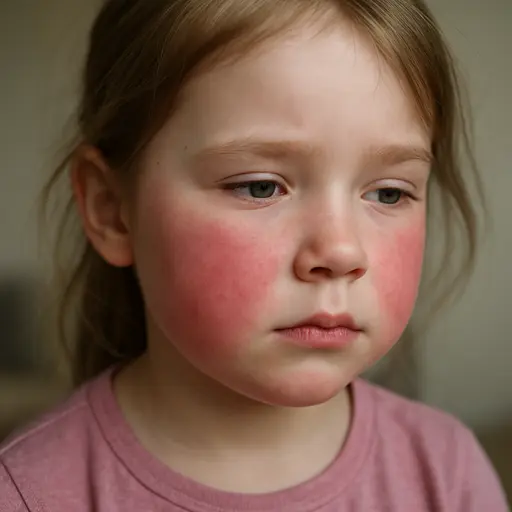
Fifth Disease (slapped cheek syndrome), clinically known as erythema infectiosum, is caused by human parvovirus B19. It is most recognizable by the bright red rash that appears on the cheeks, giving the appearance that the face has been slapped. This distinct feature is why it is commonly referred to as “fifth disease cheeks” or slapped cheek disease. While the condition is generally mild in healthy children, the illness can present differently in adults and may pose significant risks to pregnant people and individuals with compromised immune systems or certain blood disorders.
The virus responsible for Fifth Disease (slapped cheek syndrome) targets the red blood cells in the bone marrow. For most healthy individuals, this temporary disruption is manageable. However, the prevalence of this viral infection tends to rise in late winter and early spring, often spreading through schools and daycare centers. Understanding the nature of this infection is the first step in managing its spread and impact.
Causes and Transmission of Fifth Disease (slapped cheek syndrome)
The primary cause of Fifth Disease (slapped cheek syndrome) is infection with parvovirus B19. This virus is strictly a human pathogen; you cannot contract it from animals, nor can you spread it to them. The virus is highly contagious and spreads primarily through respiratory secretions, such as saliva, sputum, or nasal mucus, when an infected person coughs or sneezes.
How Fifth Disease (slapped cheek syndrome) Spreads
Transmission of Fifth Disease (slapped cheek syndrome) occurs most frequently before the onset of the characteristic rash. During the incubation period, which generally lasts between 4 to 14 days, an infected individual may display mild cold-like symptoms. It is during this prodromal phase that the virus is most easily passed to others. Once the slapped cheek rash appears, the individual is typically no longer contagious. This characteristic makes preventing outbreaks in school settings challenging, as children are often infectious before they appear noticeably ill.
In addition to respiratory droplets, the infection can be transmitted through blood or blood products. There is also a risk of vertical transmission from a pregnant woman to her fetus, which we will discuss in detail in later sections. Understanding these modes of transmission is vital for implementing effective hygiene practices to limit the spread of the virus.
Identifying the Signs and Symptoms of Fifth Disease (slapped cheek syndrome)
Recognizing the symptoms early can help in managing the comfort of the patient, although specific medical treatment is rarely necessary for mild cases. The clinical presentation of Fifth Disease (slapped cheek syndrome) typically follows a biphasic pattern, starting with non-specific symptoms followed by the eruption of the rash.
Early Symptoms and the Rash of Fifth Disease (slapped cheek syndrome)
The initial stage of the illness involves flu-like symptoms. These symptoms often include a low-grade fever, headache, runny nose, and general malaise. Some children may experience an upset stomach. These prodromal symptoms are usually mild and may be easily mistaken for a common cold.
Several days after these initial symptoms resolve, the hallmark sign of the infection appears: the rash. This rash typically manifests in three stages:
- Facial Rash: The classic “slapped cheek” appearance develops. The cheeks become bright red and may feel warm. This is the defining feature of the condition in children.
- Body Rash: A few days after the facial rash, a secondary rash may appear on the trunk, arms, buttocks, and thighs. This rash is often described as “lacy” or reticular, appearing as a pink network on the skin. It can be itchy, especially on the soles of the feet.
- Recurrence: The rash may fade and then reappear over several weeks. Triggers such as exposure to sunlight, heat, exercise, or emotional stress can cause the rash to flare up again.
Slap cheek symptoms in adults vs. Children
While children typically exhibit the classic rash, symptoms in adults can be markedly different. Adults are less likely to develop the slapped cheek rash on their face. Instead, the primary symptom for many adults, particularly women, is joint pain and swelling (arthralgia). This can affect the hands, wrists, knees, and ankles. The joint pain associated with the infection can mimic rheumatoid arthritis and may last for weeks or even months, although it usually resolves without causing permanent damage.
It is also important to differentiate this illness from other viral exanthems. For instance, distinguishing between Slapped cheek or scarlet fever symptoms is important. Scarlet fever typically presents with a “sandpaper” texture rash and a high fever often accompanied by strep throat, whereas the rash in this condition has a lacy appearance and the child generally looks well despite the red cheeks.
Diagnosis of Fifth Disease (slapped cheek syndrome)
In most cases, Fifth Disease (slapped cheek syndrome) is diagnosed clinically based on the distinctive appearance of the rash. A physician can usually confirm the diagnosis simply by observing the patient’s symptoms, particularly if there is a known outbreak in the community or school.
Clinical Evaluation for Fifth Disease (slapped cheek syndrome)
When a child presents with the classic cheeks and a lacy body rash, further testing is rarely required. However, for patients who do not present with the rash—such as adults or those with atypical presentations—diagnosis can be more complex. In these cases, understanding the patient’s history of exposure and the presence of joint pain can be key indicators.
Laboratory Testing
For individuals at high risk of complications, such as pregnant people or those with hemolytic anemias, a blood test may be necessary to confirm the infection. These tests look for specific antibodies against parvovirus B19:
- IgM antibodies: Presence indicates a recent or active infection.
- IgG antibodies: Presence indicates past infection and immunity.
Determining immune status is crucial for high-risk individuals exposed to the virus to manage potential complications effectively.
Treatment Strategies for Fifth Disease (slapped cheek syndrome)
Because Fifth Disease (slapped cheek syndrome) is a viral infection, antibiotics are ineffective. Treatment is primarily supportive, focusing on relieving symptoms while the body fights off the virus naturally.
General Slapped cheek syndrome treatment
For healthy children and adults, treatment involves simple home care measures. Rest and adequate hydration are the cornerstones of recovery. Most children recover quickly and do not require extensive medical intervention. Parents should focus on monitoring the child’s comfort and temperature.
Managing Symptoms of Fifth Disease (slapped cheek syndrome)
To alleviate discomfort associated with the illness, over-the-counter medications can be used.
- Fever and Pain: Acetaminophen (paracetamol) or ibuprofen can help reduce fever and relieve headaches or joint pain. Note: Aspirin should never be given to children or teenagers recovering from viral infections due to the risk of Reye’s syndrome.
- Itching: If the rash is itchy, an antihistamine or calamine lotion may provide relief. Keeping the skin cool and avoiding hot baths can also help reduce itching, as heat tends to exacerbate the rash.
Fifth disease treatment for Joint Pain
For adults experiencing significant joint pain, nonsteroidal anti-inflammatory drugs (NSAIDs) are often recommended as part of the treatment plan. Rest and elevating the affected joints can also help reduce swelling. While the joint pain can be persistent and uncomfortable, it is reassuring to know that it is typically temporary and does not lead to long-term disability.
Complications of Fifth Disease (slapped cheek syndrome)
While Fifth Disease (slapped cheek syndrome) is generally mild, it can lead to serious complications in specific vulnerable populations. The virus affects red blood cell production, which can be dangerous for individuals who already have issues with their blood cells or immune system.
Fifth Disease (slapped cheek syndrome) and Pregnancy
One of the most significant concerns regarding this condition is its impact on pregnancy. If a pregnant woman who has no prior immunity contracts the virus, there is a small risk that the virus can be passed to the fetus.
- Fetal Anemia: In rare cases, the virus can cause the fetus to develop severe anemia. This can lead to a condition called hydrops fetalis, characterized by fluid buildup in the fetus, which can result in heart failure or miscarriage.
- Risk Period: The risk is highest if the infection occurs in the first half of the pregnancy. However, it is important to note that about 50% of pregnant people are already immune to the virus, and even among those who are not, most infections do not result in harm to the fetus.
Risks for Immunocompromised Patients
For individuals with weakened immune systems (e.g., due to HIV, chemotherapy, or organ transplant), the infection can become chronic. Their bodies may struggle to produce the necessary antibodies to clear the virus, leading to prolonged anemia. Similarly, individuals with chronic anemias (like sickle cell disease or thalassemia) are at risk of an aplastic crisis, where the bone marrow temporarily stops producing red blood cells completely, necessitating hospitalization and blood transfusions.
Prevention of Fifth Disease (slapped cheek syndrome)
Preventing Fifth Disease (slapped cheek syndrome) can be difficult because individuals are most contagious before the distinctive symptoms appear. Once the rash is visible, the risk of transmission significantly drops.
Hygiene and Isolation
Good hygiene practices are the most effective way to reduce the spread of the virus.
- Hand Washing: Frequent and thorough hand washing with soap and water.
- Respiratory Etiquette: Covering the mouth and nose when coughing or sneezing, and disposing of tissues immediately.
- Avoid Sharing: Do not share food, drinks, or eating utensils.
Since contagious periods occur before the rash, excluding children with the rash from school or childcare is generally not recommended by health authorities, as they are no longer infectious. However, excluding children with fever or flu-like symptoms is a standard practice that helps limit the spread of many viral illnesses, including this one.
Vaccine Status
Currently, there is no commercially available vaccine to prevent the illness. Research has been conducted, but no vaccine has yet been approved for general use. Therefore, reliance remains on hygiene and awareness, especially for high-risk individuals.
Distinguishing Fifth Disease (slapped cheek syndrome) from Similar Conditions
It is common for parents to confuse Fifth Disease (slapped cheek syndrome) with other childhood illnesses. Understanding the differences is key.
- Roseola: Typically presents with a high fever followed by a rash on the trunk, not the cheeks.
- Scarlet Fever: Caused by bacteria (Streptococcus), not a virus. It requires antibiotic treatment, unlike this viral infection. The rash feels like sandpaper.
- Eczema: Can cause red cheeks but is usually persistent, dry, and scaly, without the associated viral symptoms found in this condition.
- Measles and Rubella: These have distinct rash patterns and are generally more severe; vaccination has made them less common in many regions.
Accurate identification ensures that appropriate treatment (or lack thereof for mild cases) is applied.
When to Seek Medical Attention for Fifth Disease (slapped cheek syndrome)
Most cases of Fifth Disease (slapped cheek syndrome) can be managed at home. However, you should contact a healthcare provider if:
- The child has a blood disorder or a weakened immune system.
- The symptoms are severe or persist longer than expected.
- You are pregnant and have been exposed to someone with the virus or have developed a rash.
- The fever is high or persistent.
- Joint pain in adults becomes debilitating.
Conclusion
Fifth Disease (slapped cheek syndrome) is a common, usually mild viral infection that is a rite of passage for many children. Characterized by the distinctive red cheeks, it typically resolves on its own with rest and supportive care. While treatment is largely symptomatic, awareness of the risks to pregnant people and those with compromised immune systems is vital. By understanding the symptoms, such as the rash and joint pain, and practicing good hygiene, families can navigate this illness with confidence. Remember, once the rash appears, the contagious period has passed, allowing children to return to their normal activities as long as they feel well.
Frequently Asked Questions
1. Is fifth disease contagious?
Yes, Fifth Disease (slapped cheek syndrome) is contagious, but the timing of contagiousness is tricky. The virus spreads most easily during the early stage when symptoms resemble a common cold, such as fever and runny nose. Once the characteristic rash appears, the person is usually no longer contagious and cannot spread the virus to others.
2. What is fifth disease?
Fifth Disease (slapped cheek syndrome) is a mild viral illness caused by parvovirus B19. It is most common in school-aged children and is known for causing a bright red rash on the cheeks. While it is generally harmless in healthy children, it can cause complications in adults, pregnant people, and people with certain blood disorders.
3. Can adults get fifth disease?
Yes, adults can get Fifth Disease (slapped cheek syndrome), although it is less common than in children because many adults have developed immunity from a previous infection. When adults do contract the virus, they may not develop the “slapped cheek” rash but are more likely to experience joint pain and swelling. Symptoms in adults often mimic arthritis and can last for several weeks or months.
4. How long does fifth disease last?
The duration of Fifth Disease (slapped cheek syndrome) varies, but the initial cold-like symptoms usually last a few days. The rash typically appears a few days later and resolves within 7 to 10 days. However, the rash can come and go for several weeks, triggered by factors like sunlight, heat, or stress, and joint pain in adults can persist for months.
5. Do We Screen for Fifth Disease or Not?
Routine screening for Fifth Disease (slapped cheek syndrome) is not recommended for the general population because the illness is usually mild and self-limiting. However, screening may be performed for high-risk individuals, such as pregnant people who have been exposed to the virus or patients with chronic anemia. In these cases, a blood test can determine if the person is immune or has an active infection to manage potential complications.
The following post may interest you
Sixth Disease (Roseola): Symptoms, Rash, and Treatment
Sources
Parvovirus B19 infection: fifth disease and more
https://www.cmaj.ca/content/172/6/743.short
The Role of Parvovirus B19 in Aplastic Crisis and Erythema Infectiosum (Fifth Disease)
https://academic.oup.com/jid/article-abstract/154/3/383/819068#google_vignette
Erythema infectiosum (fifth disease)
https://www.sciencedirect.com/science/article/abs/pii/0738081X89900308
Erythema Infectiosum (Fifth Disease) Available to Purchase
Fifth disease: report of an outbreak
https://pmc.ncbi.nlm.nih.gov/articles/PMC1959899
Parvovirus B19 in Pregnancy—Do We Screen for Fifth Disease or Not?