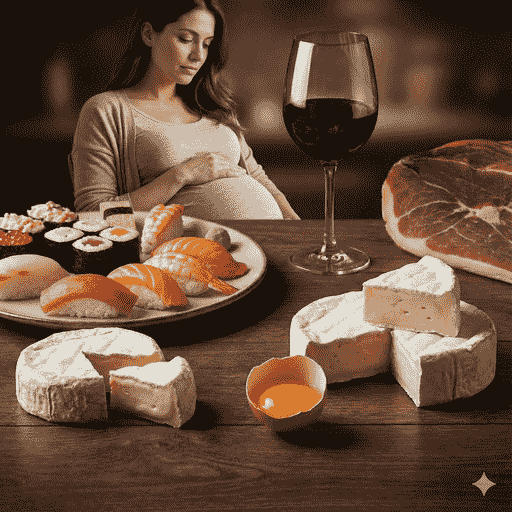
The Ultimate Guide to Foods to avoid during pregnancy for a Healthy Journey
Navigating the world of nutrition while expecting a baby can be both exciting and overwhelming. While friends and family inundate you with advice, knowing the scientific facts about Foods to avoid during pregnancy is essential for the safety of both you and your developing baby. This comprehensive guide details exactly what to exclude from your diet, why these exclusions are necessary, and how to make safe, nutritious swaps. By understanding which specific items to skip, you can confidently make meal choices that support a healthy pregnancy and minimize risks associated with foodborne illnesses and developmental issues.
Why Identifying Foods to avoid during pregnancy is Crucial
During pregnancy, your body undergoes significant immunological changes. Pregnancy naturally suppresses your immune system to prevent your body from rejecting the fetus. However, this suppression makes you more susceptible to foodborne illnesses caused by bacteria, viruses, and parasites. Consequently, items with a high risk of contamination largely comprise the comprehensive list of dietary restrictions.
Infections such as Listeriosis, Toxoplasmosis, and Salmonella can cause mild symptoms in a mother, often mimicking a typical flu, but can lead to severe and sometimes fatal consequences for the baby, including miscarriage, stillbirth, or premature labor. Therefore, adhering to a strict diet that excludes specific high-risk ingredients acts as a critical safety measure, not just a nutritional choice. The following sections break down these restrictions by category to help you navigate your grocery shopping and meal planning with ease, ensuring you steer clear of all dangerous consumables.
High-Mercury Fish and Seafood Safety
Fish is generally a healthy source of lean protein and omega-3 fatty acids, which are vital for fetal brain development. However, not all aquatic life is safe. Some types of seafood represent primary Foods to avoid during pregnancy due to their high levels of methylmercury. Mercury is a toxic metal that can accumulate in the bloodstream and damage your baby’s developing nervous system, lungs, and kidneys.
Understanding Mercury Risks
Large, predatory fish live longer and eat smaller fish, allowing mercury to build up in their flesh over time. According to the FDA and various health guidelines, you must strictly eliminate these high-mercury options from your diet. The specific fish to avoid in this category include:
- Shark
- Swordfish
- King Mackerel
- Tilefish
- Marlin
- Orange Roughy
- Bigeye Tuna
Consuming these fish regularly can lead to developmental delays and brain damage in infants. Even if you enjoyed these before conceiving, view them as non-negotiable restricted choices. Furthermore, while fish is beneficial, limit oily fish like fresh tuna to minimize exposure to pollutants like dioxins and polychlorinated biphenyls (PCBs), which often appear in the same safety lists related to environmental toxins.
Safe Seafood Alternatives
While you must steer clear of the high-mercury list, you do not need to give up seafood entirely. Instead of the unsafe options, choose fish that are low in mercury. Salmon, anchovies, herring, sardines, freshwater trout, and Pacific mackerel are excellent choices. They provide the benefits of DHA and EPA (omega-3s) without the heavy metal risks associated with the dietary restrictions. Remember to limit white (albacore) tuna to no more than 6 ounces (170 grams) per week, as it contains more mercury than light canned tuna.
Risks of Raw and Undercooked Protein
Protein is the building block of life, but preparation matters immensely. Raw or undercooked meat, poultry, and eggs act as significant Foods to avoid during pregnancy because they often carry harmful bacteria like Salmonella, E. coli, and Listeria monocytogenes, as well as parasites like Toxoplasma gondii.
The Dangers of Raw Meat
Steak tartare, rare burgers, and carpaccio pose a serious threat. Undercooked meat can transmit Toxoplasmosis, an infection caused by a microscopic parasite. While it might feel like a mild flu to you, it can cause hearing loss, blindness, and intellectual disabilities in your baby. Therefore, treat all raw meat dishes as off-limits.
To ensure safety, cook all meat and poultry to safe internal temperatures. Use a food thermometer to verify that:
- You cook beef, veal, and lamb roasts/steaks to at least 145°F (63°C).
- You cook ground meats (pork, veal, beef, lamb) to 160°F (71°C).
- You cook poultry to 165°F (74°C).
Risks Associated with Deli Meats
You might be surprised to learn that experts also consider cold cuts and deli meats as unsafe unless you prepare them properly. Listeria can contaminate deli meats, hot dogs, and fermented or dry sausages (like pepperoni, salami, and chorizo). Unlike many other bacteria, Listeria can grow at refrigerator temperatures.
If you crave a turkey sandwich or a hot dog, heat the meat until it is steaming hot (165°F) just before serving to kill any bacteria. Additionally, avoid refrigerated pâtés and meat spreads. Canned or shelf-stable versions are generally safe, but fresh versions from the deli counter remain on the prohibited list.
Raw Seafood and Sushi Concerns
Sushi lovers often struggle with this restriction, but raw fish dishes like sashimi, ceviche, and poke are definitely foods to skip. Raw seafood can contain parasites (such as tapeworms) and bacteria that can make you severely ill. While the nutritional value of fish is high, the risk of consuming it raw outweighs the benefits. Stick to fully cooked rolls, such as those with cooked shrimp, eel (unagi), or vegetables (like avocado or cucumber rolls), ensuring no cross-contamination occurred with raw fish. Also treat smoked seafood (like lox or nova style) found in the refrigerated section as unsafe items unless you include it as an ingredient in a cooked dish, like a casserole.
Undercooked Eggs
Raw or soft-cooked eggs are potential carriers of Salmonella. Consequently, dishes containing raw eggs are restricted. This includes:
- Homemade mayonnaise
- Raw cookie dough or cake batter
- Homemade Caesar salad dressing
- Hollandaise sauce
- Tiramisu
- Mousse
Always cook egg yolks and whites until firm. When baking or cooking, resist the urge to lick the spoon if raw eggs are involved. Manufacturers usually make commercial products (like store-bought mayo) with pasteurized eggs, making them safe, but always check the label to be sure they do not fall into the category of unsafe foods.
Dairy and Cheese Restrictions
Calcium is vital for your baby’s bones, but not all dairy products are safe. Unpasteurized milk and cheese are major Foods to avoid during pregnancy. Pasteurization kills harmful bacteria by heating the milk to a specific temperature. Without this process, dairy products can harbor dangerous pathogens like Listeria, Salmonella, E. coli, and Campylobacter.
Unpasteurized Milk
Raw milk (milk from cows, sheep, or goats that has not been pasteurized) carries a significant risk of bacterial contamination. No matter how fresh or organic the source claims to be, raw milk is one of the strictly prohibited dietary no-nos. Always choose milk labeled as “pasteurized.”
Soft Cheeses to Skip
Soft cheeses made with unpasteurized milk are notorious for carrying Listeria. As a general rule, classify the following soft cheeses as unsafe unless the label explicitly states the manufacturer made them from pasteurized milk or you cook them thoroughly:
- Brie
- Camembert
- Roquefort
- Feta
- Queso Blanco
- Queso Fresco
- Panela
- Blue-veined cheeses (Gorgonzola, Danish Blue)
Hard cheeses like Cheddar, Parmesan, and Swiss are generally safe because their low moisture content makes it difficult for bacteria to grow. Semi-soft cheeses like Mozzarella are also usually safe if pasteurized. When in doubt, if the label doesn’t say “pasteurized,” consider it one of the foods to avoid.
Produce and Beverage Safety
Fruits and vegetables are the cornerstone of a healthy pregnancy diet, but how you prepare them and which ones you choose can determine if they are safe or if they become Foods to avoid during pregnancy.
Unwashed Vegetables and Sprouts
Harmful bacteria and parasites from the soil, including Toxoplasma, can contaminate the surface of unwashed fruits and vegetables. Therefore, unwashed produce technically qualifies as restricted items. Thoroughly rinse all raw produce under running water.
Additionally, raw sprouts—such as alfalfa, clover, radish, and mung bean sprouts—are high-risk items. Bacteria can get into the sprout seeds and are nearly impossible to wash away. Because of this, raw sprouts are strictly off the menu. Cook them thoroughly if you wish to eat them.
Specific fruits like Rockmelon (Cantaloupe) carry a higher risk of Listeria on their rinds. Experts advise avoiding pre-cut melons. If you eat them, scrub the skin thoroughly before cutting and eat immediately. Generally, pre-packaged fruit or vegetable salads from buffets or salad bars pose a risk of contamination and Listeria. It is safer to prepare these items at home where you control the hygiene, making pre-packaged deli salads potential risky choices.
Managing Caffeine and Alcohol
While not “foods” in the traditional sense, beverages play a huge role in pregnancy nutrition and safety.
Alcohol is perhaps the most critical item on the restricted list. There is no known safe amount of alcohol use during pregnancy. Drinking alcohol can lead to Fetal Alcohol Spectrum Disorders (FASDs), miscarriage, and stillbirth. It causes facial deformities and intellectual disabilities. Total abstinence is the only safe approach to avoid these risks associated with unsafe consumption.
Caffeine is not strictly forbidden, but excessive amounts are definitely best avoided. Studies link high caffeine intake to an increased risk of miscarriage and low birth weight. Experts recommend limiting caffeine to less than 200 mg per day (about one 12-ounce cup of coffee). Remember that tea, soda, chocolate, and energy drinks also contain caffeine. Energy drinks, specifically, are often restricted due to high caffeine content and other unregulated supplements like guarana or ginseng.
The Truth About Herbal Teas
People often view herbal teas as natural remedies, but some can be dangerous. Certain herbs can stimulate the uterus and potentially lead to preterm labor. Because there is limited data on the safety of many herbs, unverified herbal blends are not recommended. Avoid teas containing:
- Pennyroyal
- Licorice root
- Black cohosh
- Blue cohosh
- Dong quai
Always stick to teas known to be safe, such as peppermint or ginger tea (in moderation), and consult your healthcare provider before trying new herbal products that might be unsafe.
Specific Nutrients and Other Considerations
Beyond the main food groups, there are a few specific items, preparation methods, and nutrients that require caution to maintain a healthy pregnancy.
Vitamin A and Liver Products
While Vitamin A is essential, too much of the animal-based form (retinol) can be harmful. High doses of preformed Vitamin A can cause birth defects (teratogenicity). Because liver contains incredibly high levels of Vitamin A, liver and liver products (like liver sausage or pâté) are dangerous. Obtain your Vitamin A from beta-carotene sources like carrots, sweet potatoes, and spinach, which do not carry the same toxicity risks. Similarly, identify fish liver oil supplements as restricted due to their high Vitamin A content.
Handling Leftovers Safely
Food safety extends to how you handle meals after cooking. Leftovers can be dangerous if you do not store or reheat them properly. To prevent bacteria growth, consider leftovers that have sat out for more than two hours as risky. If you do eat leftovers, reheat them to a high temperature (at least 165°F or 74°C) throughout. Ideally, do not eat leftovers that are more than 24 hours old, as the risk of Listeria increases with time.
Game Meat Risks
For those who consume wild game, there is an added risk of lead exposure. Game meat and gamebirds shot with lead ammunition can contain fragments of the metal. Lead is toxic and can cause developmental issues; therefore, count game meat killed with lead shot as one of the foods to cut out. Unless you can confirm someone harvested the meat with lead-free ammunition or farmed it safely, avoid it.
Processed Junk Foods
While not “toxic” in the same way as mercury or bacteria, consider highly processed junk foods laden with trans fats, excessive sodium, and sugar as unhealthy options for optimal health. These foods provide empty calories without the necessary nutrients your baby needs to grow. They also contribute to excessive weight gain and increase the risk of gestational diabetes and preeclampsia. Focus on nutrient-dense whole foods instead of items high in saturated fats and refined sugars.
Conclusion
Understanding the comprehensive list of Foods to avoid during pregnancy represents the first step toward a safe and healthy pregnancy. By eliminating high-mercury fish, raw meats, unpasteurized dairy, game meats, and other high-risk items, you significantly lower the chance of complications affecting you and your baby.
Always remember that this period is temporary. The sacrifices you make by skipping sushi, soft cheese, or that glass of wine today contribute directly to the lifelong health of your child. Use this guide on Foods to avoid during pregnancy to make informed decisions at the grocery store and restaurants. If you are ever unsure about a specific food, consult your doctor or a certified prenatal nutritionist. Prioritizing safety over cravings ensures that you are doing your very best for your growing family.
The following post may interest you
Tylenol use during pregnancy linked to autism | Latest Report
The Ultimate Guide to Pregnancy Sleep: Tips and Solutions
First Period After Pregnancy: What to Expect and How to Manage
Sources
Diet during pregnancy: Women’s knowledge of and adherence to food safety guidelines
https://obgyn.onlinelibrary.wiley.com/doi/am-pdf/10.1111/ajo.12523
Nutrition in pregnancy
https://onlinelibrary.wiley.com/doi/pdf/10.1111/j.1467-3010.2006.00541.x
Nutritional behavior in pregnancy
https://journals.viamedica.pl/ginekologia_polska/article/download/GP.2019.0090/49261
Eating Well for a Healthy Pregnancy
https://www.extension.colostate.edu/docs/pubs/foodnut/09388.pdf
Adherence to the national guidance on foods and drinks to limit or avoid during pregnancy in England: the PEAR Study