- Introduction to Heat Rash (Prickly Heat)
- The Physiology and Mechanisms of Heat Rash (Prickly Heat)
- Classification
- Heat Rash (Prickly Heat) in Vulnerable Populations
- Diagnosis and Clinical Evaluation
- Comprehensive Heat Rash Treatment Protocols
- Prevention
- Complications and Prognosis
- Conclusion
- Frequently Asked Questions
- Scientific Sources
Introduction to Heat Rash (Prickly Heat)
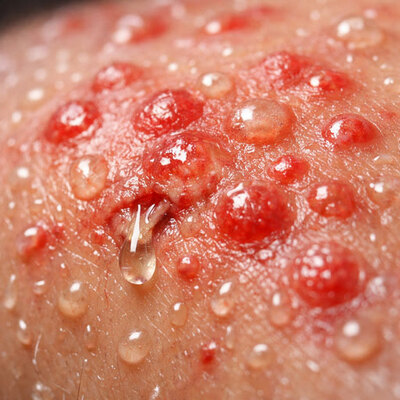
Heat rash (prickly heat) is a prevalent skin condition that affects individuals across the demographic spectrum, from newborns in neonatal units to active adults and the older people. Clinically termed miliaria, this condition manifests when the eccrine sweat ducts—the body’s primary cooling mechanism—become obstructed. This blockage traps perspiration beneath the epidermal layers instead of allowing it to evaporate from the skin’s surface. The physiological result is a localized inflammatory response characterized by clusters of red, erythematous bumps, stinging sensations, and intense pruritus (itching). While frequently dismissed as a minor seasonal annoyance associated with summer vacations or tropical climates, heat rash (prickly heat) can significantly impact quality of life, disrupt sleep due to itching, and, in severe cases, serve as a precursor to more dangerous heat-related illnesses like heat exhaustion.
The epidemiology of heat rash (prickly heat) reveals that while it is most common in hot, humid environments, it is by no means exclusive to them. Cases of Heat rash in winter are surprisingly frequent, often arising from the well-intentioned but misguided practice of over-bundling infants or the use of electric blankets and heavy synthetic clothing by adults. Whether manifesting as heat rash baby concerns for distressed parents or as a persistent heat rash sweat rash in high-performance athletes, understanding the nuances of this condition is vital. This comprehensive guide synthesizes medical literature to provide an in-depth look at prevention, identification, and cure, covering everything from Heat rash Cream applications to lifestyle modifications.
The Physiology and Mechanisms of Heat Rash (Prickly Heat)
To effectively manage and prevent the condition, one must first understand the underlying physiological “plumbing” failure. The human body possesses millions of eccrine sweat glands designed to regulate core body temperature. When the body heats up, these glands secrete sweat, which travels up a duct to the skin pore. Heat rash (prickly heat) occurs when this pathway is interrupted. Unlike other rashes caused by allergens or viruses, this is a mechanical obstruction.
The obstruction can be caused by a variety of factors, including the accumulation of dead skin cells (corneocytes), the presence of specific skin bacteria like Staphylococcus epidermidis which produce a sticky biofilm that blocks the ducts, or simply intense swelling of the skin due to hydration. When the sweat cannot exit, it ruptures the duct and leaks into the surrounding tissue. The depth at which this rupture occurs defines the severity and type of the rash. If the blockage is superficial, the sweat forms a clear blister. If the rupture is deeper in the epidermis or dermis, the body’s immune system responds to the “foreign” sweat fluid with inflammation, redness, and the characteristic stinging sensation associated with Prickly heat rash.
Detailed Causes and Risk Factors
While high heat and humidity are the most obvious culprits, the etiology of heat rash (prickly heat) is multifactorial. Understanding these specific triggers can help in tailoring effective prevention strategies.
- Immature Sweat Ducts (Neonates): In newborns, the sweat ducts are not fully developed and can easily rupture even with mild sweating. This makes heat rash baby cases extremely common, affecting up to 9% of neonates, usually appearing within the first weeks of life.
- High Humidity and Occlusion: Humidity prevents sweat from evaporating, keeping the skin wet and swollen (macerated), which promotes duct blockage. This is exacerbated by non-breathable clothing or heavy bedding.
- Intense Physical Exertion: Activities that induce profuse sweating, such as marathon running or military training, often lead to rash when sweating or sweat rash, particularly under heavy gear or protective equipment.
- Febrile Illnesses: High fevers can trigger massive sweating episodes in bedridden patients, leading to outbreaks of heat rash (prickly heat) on the back and trunk.
- Medications and Treatments: Certain drugs affecting the autonomic nervous system, such as clonidine, beta-blockers, and neostigmine, can induce sweating. Additionally, transdermal drug patches and isotretinoin therapy have been linked to miliaria.
- Genetic and Systemic Disorders: Rare conditions like Morvan syndrome (associated with hyperhidrosis) or Pseudohypoaldosteronism type I can predispose individuals to pustular forms of the rash.
- Skin Microbiome: The proliferation of bacteria like Staphylococcus epidermidis is a known factor in the development of the blockage, as their biofilms can physically plug the sweat pores.
Identifying the Spectrum of Heat Rash symptoms
Recognizing the clinical presentation is crucial for differentiating heat rash (prickly heat) from other dermatological conditions like folliculitis or herpes. Symptoms can vary based on the depth of the trapped sweat.
- Primary Lesions: The classic presentation involves 2-4 mm erythematous (red) papules or papulovesicles. In lighter skin tones, these appear red; in darker skin tones, they may appear as skin-colored or hyperpigmented bumps.
- Sensory Symptoms: Patients often report an intense, “prickling” or stinging itch that worsens with heat or sweating. This is distinct from the burning pain of shingles or the deep itch of eczema.
- Anhidrosis: A key but often overlooked symptom is anhidrosis (lack of sweating) in the affected areas. Because the ducts are blocked, sweat cannot reach the surface. Extensive heat rash (prickly heat) can therefore impair thermoregulation.
- Distribution: In adults, the rash favors areas of friction: the neck, axillae (armpits), groin, under breasts, and the upper back. In infants, it frequently appears on the neck, shoulders, and chest, and can present as Heat rash on face.
Differential Diagnosis: What Else Could It Be?
It is important not to confuse heat rash symptoms with other conditions.
- Folliculitis: Unlike bacterial folliculitis, heat rash (prickly heat) bumps are not centered around hair follicles.
- Viral Exanthems: Viral rashes often come with systemic symptoms like sore throat or malaise, whereas heat rash is usually isolated to the skin (unless associated with heat exhaustion).
- Grover Disease: This condition also presents with itchy papules on the trunk usually in older men, but is often persistent and less directly tied to immediate heat exposure compared to Prickly heat rash.
Classification: Types of Heat Rash (Prickly Heat)
Medical literature classifies heat rash (prickly heat) into distinct types based on histopathology—specifically, the depth of the sweat duct obstruction.
Miliaria Crystallina (Sudamina)
This form represents the most superficial obstruction, occurring in the stratum corneum (the outermost layer of skin). It is characterized by tiny, clear, superficial vesicles (1-2 mm) that look like water droplets or beads of sweat on the skin. There is typically no inflammation, meaning no redness and no itching. The vesicles are fragile and rupture easily with friction. It is most commonly seen in neonates or adults with high fevers.
Miliaria Rubra (Prickly Heat Rash)
This is the classic form of heat rash (prickly heat). The obstruction is located deeper within the epidermis (subcorneal layers). The leakage of sweat into the living epidermal tissue recruits inflammatory cells, leading to red, itchy papules and the hallmark stinging sensation. If the inflammation is intense, it can interfere with the body’s cooling mechanism.
Miliaria Pustulosa
If the inflammation in Miliaria Rubra becomes intense or if there is a superinfection, the lesions can fill with purulent material (pus), becoming pustules. This variant, known as Miliaria Pustulosa, often suggests a bacterial component and may require more aggressive treatment to prevent deeper infection.
Miliaria Profunda
This is a rare and severe form usually seen in tropical climates or industrial settings with repeated exposure to heat. It typically follows recurrent episodes of Miliaria Rubra. The obstruction is deep, at the dermal-epidermal junction. Sweat leaks into the dermis, causing firm, flesh-colored papules that resemble goosebumps. While less itchy than the Rubra type, the profound blockage of sweat glands puts the patient at significant risk for heat exhaustion due to the inability to sweat effectively.
Heat Rash (Prickly Heat) in Vulnerable Populations
Certain groups are physiologically more susceptible to this condition, requiring tailored management strategies.
Heat Rash Baby and Pediatric Considerations
Infants are disproportionately affected due to the immaturity of their sweat pores, which are prone to rupture. Heat rash baby issues are often a source of significant parental distress. The rash typically appears on the neck, groin, and armpits.
- Bundling: The practice of swaddling or over-dressing infants is a primary cause. Parents should check if the baby feels hot to the touch.
- Environment: A prickly heat in newborn situation can arise simply from a crib placed in a non-ventilated corner or near a radiator.
- Face Involvement: Heat rash on face or prickly heat newborn face can occur when a baby is pressed against a parent’s warm body during feeding. This requires gentle handling as facial skin is sensitive.
Preventing Prickly Heat in newborn
Prevention involves keeping the baby cool. Use breathable layers and maintain a comfortable nursery temperature. Avoid heavy ointments (like petroleum jelly) on the rash, as these are occlusive and will worsen the blockage. Instead, opt for light clothing and ensure the skin is dry after bathing.
Occupational and Athletic Risks
Athletes, military personnel, and outdoor laborers are high-risk groups. Intense physical activity generates massive heat loads. When combined with protective gear (body armor, helmets, synthetic uniforms), evaporation is impossible. This leads to sweat rash or rash when sweating. In military contexts, this is a strategic concern; widespread rash can disable a soldier due to itching and the risk of secondary heat stroke.
Diagnosis and Clinical Evaluation
Diagnosis is primarily clinical, based on the appearance of the rash and a history of heat exposure. Advanced diagnostic tools like dermoscopy may reveal large white globules with dark halos, known as the “white bullseye” sign, which is specific to miliaria. In rare, persistent cases, a skin biopsy may be performed to confirm the intra-epidermal sweat retention and rule out other diseases. The Tzanck smear can help distinguish it from Herpes Simplex if the vesicles look suspicious.
Warning Signs: When to See a Doctor
While most cases are self-limiting, complications can arise. Seek medical attention if:
- The rash persists for more than a few days despite cooling measures.
- There are signs of secondary bacterial infection: increased pain, swelling, warmth, crusted sores, or draining pus.
- You experience systemic symptoms like fever, chills, or swollen lymph nodes.
- You notice signs of heat exhaustion: dizziness, nausea, rapid pulse, or confusion.
- The rash is generalized and you have stopped sweating in those areas (Anhidrosis), which is a medical emergency risk factor.
Comprehensive Heat Rash Treatment Protocols
The cornerstone of heat rash treatment is changing the environment. Once the heat stress is removed, and the skin cools, the sweat ducts usually recover naturally. However, active treatments can alleviate symptoms and prevent complications.
Topical Treatments and Remedies
- Calamine Lotion: Calamine for prickly heat is a standard therapy. It has a cooling, drying effect that soothes itching and helps resolve blisters. It should be applied gently to affected areas.
- Anhydrous Lanolin: For Miliaria Profunda or persistent cases, anhydrous lanolin can help dissolve the keratin plug blocking the pore and restore sweat flow.
- Topical Steroids: Mild corticosteroids (like hydrocortisone cream) can drastically reduce the inflammation and itching associated with Heat rash Cream applications. These should be used for short durations.
- Antiseptics: If Miliaria Pustulosa is present, antibacterial washes (like chlorhexidine) or topical antibiotics (like clindamycin) may be prescribed to control the bacterial load, specifically targeting Staph epidermidis.
- Zinc Oxide: Zinc oxide for prickly heat provides a protective barrier and is particularly useful in skin folds (intertriginous areas) to reduce friction and irritation.
What to Avoid
Avoid applying heavy, oil-based creams, ointments, or moisturizers (unless specifically prescribed like lanolin). These products are occlusive and will further plug the sweat ducts, exacerbating the condition. Also, avoid scrubbing the skin vigorously, which promotes inflammation.
Home Care for rash when sweating
- Cool Compresses: Applying a cool, wet cloth can provide immediate relief from the burning sensation.
- Air Conditioning: Spending a few hours a day in an air-conditioned environment can be enough to prevent the progression of the rash.
- Oatmeal Baths: Colloidal oatmeal is soothing and anti-inflammatory. A tepid bath can help relieve the widespread itch of sweat rash.
- Exfoliation: As the rash heals, gentle exfoliation can help remove dead skin cells that might be blocking pores, but this should only be done once the acute inflammation has subsided.
Prevention: Long-Term Strategies
Preventing heat rash (prickly heat) requires a proactive approach to thermoregulation and skin care, especially for those prone to recurrence.
Acclimatization and Lifestyle
- Gradual Exposure: For individuals moving to hot climates, allowing the body to acclimatize gradually over weeks can improve sweating efficiency and reduce salt concentration in sweat, which may help prevent duct irritation.
- Hydration: Maintaining hydration is essential for overall thermoregulation, although it doesn’t directly unblock pores.
- Activity Modification: Schedule heavy exercise for the cooler parts of the day (early morning or late evening) to minimize the intensity of sweating.
Clothing and Environment
- Fabric Choice: Wear breathable, natural fabrics like cotton or high-tech moisture-wicking synthetics that actively pull sweat away from the skin. Avoid rubberized or plastic suits used for weight loss.
- Ventilation: Ensure sleeping areas are well-ventilated. Use fans to circulate air, which aids evaporation.
- Powders: The use of Prickly Heat Powder (often containing menthol or bacteriostatic agents) can be helpful as a preventative measure in friction-prone areas. However, care must be taken not to inhale the powder, and it should not be applied to moist, weeping skin where it might cake and cause further blockage.
Managing Seasonal Risks: Heat rash in winter
Heat rash in winter is entirely preventable. It usually stems from a mismatch between activity level and clothing insulation. Dress in layers that can be shed. If you are sitting indoors with heating, you likely do not need thermal underwear. Monitor bedridden or older people patients to ensure they are not overheating under heavy winter blankets.
Complications and Prognosis
The prognosis for heat rash (prickly heat) is generally excellent. Most cases resolve within days of moving to a cool environment. However, chronic or recurrent cases can lead to destruction of the sweat glands.
- Secondary Infection: The most common complication is a secondary bacterial infection (usually Staphylococcal), leading to painful abscesses or cellulitis.
- Heat Intolerance: In cases of Miliaria Profunda, the widespread destruction of sweat glands can lead to permanent anhidrosis (inability to sweat) in affected areas. This creates a state of heat intolerance, where the individual is highly susceptible to heat stroke and heat exhaustion during physical exertion.
- Hyperhidrosis: Ironically, patients may experience compensatory hyperhidrosis (excessive sweating) in non-affected areas (like the face) because the body is trying to compensate for the blocked glands elsewhere.
Conclusion
Heat rash (prickly heat) is a clear biological signal that the body’s cooling system is overwhelmed. While often trivialized, it represents a breakdown in skin physiology that can lead to significant discomfort and vulnerability to heat illness. Whether it appears as a heat rash baby concern or a persistent issue for an adult, the principles of management remain consistent: cool the skin, reduce sweating, and allow the ducts to heal. By utilizing treatments like calamine for prickly heat and adopting preventative measures such as breathable clothing and environment control, you can effectively manage this condition. Vigilance is key—recognizing the early signs of sweat rash allows for immediate intervention, preventing the progression from mild irritation to a severe, pustular, or deep tissue condition.
Frequently Asked Questions
How to get rid of heat rash?
To effectively get rid of heat rash, the absolute priority is to halt the sweating process by moving immediately to a cool, shaded, or air-conditioned environment. You should remove any constrictive, synthetic, or sweat-soaked clothing to allow the skin to breathe and dry naturally; air drying is preferable to toweling off, which can irritate the bumps. Once the skin is cool, applying a soothing, non-occlusive agent like calamine lotion or a cold compress can help reduce the inflammation and speed up the natural healing process of the blocked ducts.
How to treat heat rash?
Treating the condition requires a multi-faceted approach centered on cooling and drying the skin to permit the obstructed sweat pores to reopen and heal. Over-the-counter remedies such as calamine for prickly heat are highly effective for soothing the itch, while mild hydrocortisone creams can be used for short periods to combat significant redness and inflammation. It is critically important to avoid using oil-based ointments, thick moisturizers, or petroleum jelly, as these products will further clog the pores and trap heat, potentially worsening the rash or leading to infection.
How long does heat rash last?
In the vast majority of mild cases, heat rash (prickly heat) is a self-limiting condition that begins to fade within 24 hours of cooling down and typically resolves completely within 2 to 3 days. However, the duration can be extended if the person remains in a hot environment or continues to wear tight clothing that irritates the skin. If the rash persists for more than a week, changes appearance to become pus-filled, or is accompanied by fever, it may indicate a secondary infection requiring medical intervention.
How to get rid of heat rash quickly?
To accelerate the disappearance of the rash, take a cool (not freezing) shower or bath immediately to lower your core body temperature and wash away sweat, salt, and bacteria from the skin. After bathing, let your skin air dry and apply calamine for prickly heat to the most irritated areas, then remain in a strictly temperature-controlled environment to prevent any further sweating. Wearing loose, lightweight cotton clothing and avoiding all strenuous physical activity for at least 24 hours will give your sweat glands the necessary rest to recover quickly.
What does heat rash look like?
The appearance varies by skin type, but generally, heat rash (prickly heat) presents as a cluster of small, red bumps (papules) or tiny, clear fluid-filled blisters that resemble droplets of water on the skin. On lighter skin tones, the area is typically red and inflamed, while on darker skin tones, the bumps may appear flesh-colored, purplish, or hyperpigmented, making them harder to see but easily felt. The texture of the affected skin is often described as rough or sandpaper-like, and it may be surrounded by a halo of mild swelling or erythema.
What causes heat rash?
The fundamental cause of heat rash (prickly heat) is the mechanical obstruction of the eccrine sweat ducts, which forces sweat to leak into the surrounding epidermis or dermis instead of evaporating. This blockage is most commonly triggered by environmental factors like hot, humid weather, but can also be caused by intense physical exercise, fevers, or the use of occlusive clothing and heavy skin creams. In infants, the primary cause is often the structural immaturity of the sweat ducts, which makes them prone to rupture even with minimal sweating or “bundling” in blankets.
How to prevent heat rash?
Prevention is centered on managing thermoregulation to avoid the need for excessive sweating; this includes staying in cool, ventilated environments and using fans or air conditioning during heatwaves. You should wear loose, breathable clothing made of natural fibers like cotton or specialized moisture-wicking fabrics, especially during exercise or sleep. Keeping the skin clean and dry, avoiding heavy lotions that block pores, and allowing for gradual acclimatization to hot climates are also essential preventative strategies.
What is prickly heat? Prickly heat is the colloquial term for miliaria rubra, describing the characteristic stinging, burning, or “prickling” sensation caused by the inflammation of nerve endings due to trapped sweat.
How to reduce prickly heat?
To reduce prickly heat, you must immediately cool the skin with cold compresses, cool showers, or air conditioning to stop the inflammatory response. Using Prickly Heat Powder (often containing menthol) or soothing lotions like calamine can provide symptomatic relief from the prickling, while antihistamines may be taken to help reduce the histamine-induced itching.
The following posts may interest you
Sixth Disease (Roseola): Symptoms, Rash, and Treatment
How to Prevent Diaper Rash: Tips for Parents
Sources
Fever in Children: Pearls and Pitfalls
https://www.mdpi.com/2227-9067/4/9/81
The Generalized Rash: Part I. Differential Diagnosis
https://www.aafp.org/pubs/afp/issues/2010/0315/p726.html/1000
Common Skin Rashes in Children
https://www.aafp.org/pubs/afp/issues/2015/0801/p211.html/1000
The Febrile Child: Diagnosis and Treatment
https://pmc.ncbi.nlm.nih.gov/articles/PMC3849992
Heat-Related Illnesses
https://www.aafp.org/pubs/afp/issues/2019/0415/p482.html
Diagnostic assessment of haemorrhagic rash and fever
https://adc.bmj.com/content/85/2/160.short
The History of Sweat and Prickly Heat, 19th–20th Century
https://www.sciencedirect.com/science/article/pii/S0022202X15490906
Prickly Heat
https://pmc.ncbi.nlm.nih.gov/articles/PMC5232136
The Generalized Rash: Part II. Diagnostic Approach