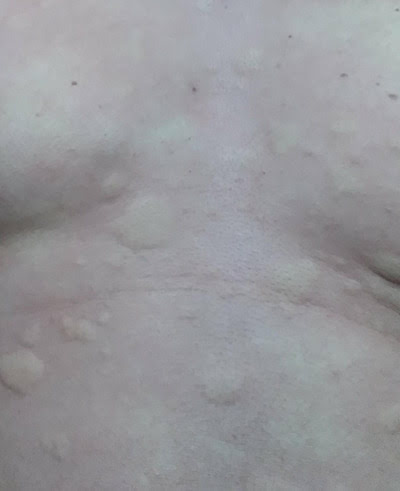
- Introduction to Hives (Urticaria)
- What is Hives (Urticaria)?
- Symptoms
- Causes
- Deep Dive into Chronic Hives
- Physical and Inducible Hives
- Diagnosis
- Treatment
- Hives (Urticaria) in Pregnancy and Children
- Living with Hives
- Conclusion
- Frequently Asked Questions
- Scientific Sources
Introduction to Hives (Urticaria)
Skin conditions can be perplexing and uncomfortable, but few are as common or as frustrating as Hives (Urticaria). This condition, characterized by sudden outbreaks of pale red bumps or plaques (wheals) on the skin, affects approximately 20% of the population at some point in their lives. Hives (Urticaria) is essentially a vascular reaction of the skin marked by the transient appearance of smooth, slightly elevated papules or plaques that are erythematous (red) and often attended by severe pruritus (itching). Whether it presents as a fleeting annoyance or a chronic condition affecting daily life, understanding the underlying mechanisms of Hives (Urticaria) is crucial for effective management and relief.
The appearance of Hives (Urticaria) can vary dramatically from person to person. For some, it may manifest as tiny spots, while for others, it appears as large, interconnected blotches that cover significant portions of the body. Regardless of the size, the hallmark sensation is an intense itch that can sometimes be accompanied by a stinging or burning sensation. While often benign and self-limiting, Hives (Urticaria) can sometimes signal a more serious underlying systemic issue or an acute allergic reaction that requires immediate medical attention. By exploring the various facets of Hives (Urticaria), from its acute forms to chronic urticaria, patients can better navigate their treatment options and improve their quality of life.
What is Hives (Urticaria)?
Hives (Urticaria) results from the release of histamine and other chemical mediators from mast cells and basophils in the dermis. This release causes fluid to leak from small blood vessels into the surrounding tissue, resulting in the characteristic swelling known as a wheal. The central physiological event in the formation of Hives (Urticaria) is the activation of mast cells. These cells can be triggered by a vast array of stimuli, including foods, medications, infections, and physical factors.
When a person develops Hives (Urticaria), the lesions typically appear rapidly and may disappear just as quickly, usually resolving within 24 hours, although new hives may continue to appear. This transient nature is a key diagnostic feature. If a lesion persists for more than 24 to 48 hours, or leaves a bruise or mark, it may suggest a different condition such as urticarial vasculitis rather than typical Hives (Urticaria). The condition is broadly classified based on duration: acute urticaria lasts for less than six weeks, while chronic urticaria persists for more than six weeks, often recurring daily or almost daily.
Recognizing the Symptoms of Hives (Urticaria)
The primary and most distressing symptom of Hives (Urticaria) is the itch. Urticaria symptoms can range from mild discomfort to an unbearable urge to scratch that interferes with sleep and daily activities. The rash itself consists of raised, erythematous plaques that may have a pale center. A distinctive feature of Hives (Urticaria) is “blanching”—when you press the center of a red hive, it turns white.
Characteristics of Hives on Skin
When examining hives on skin, one will notice that they can appear anywhere on the body, including the face, lips, tongue, throat, and ears. The shape of hives skin lesions can be round, oval, or irregular (geographic). They can change shape, move around, disappear, and reappear over short periods. The swelling associated with Hives (Urticaria) is usually limited to the superficial dermis. However, if the swelling occurs in the deeper layers of the skin or mucous membranes, it is called angioedema. Angioedema often accompanies Hives (Urticaria) and typically affects the eyelids, lips, and sometimes the airway, which can be life-threatening.
Distinguishing Hive Skin Patterns
It is important to differentiate typical hive skin rashes from other dermatological conditions. Hives rash is typically migratory. A single wheal rarely stays in the same place for more than 24 hours. If you look at hives images online or in a medical textbook, you will see a classic presentation of “nettle rash.” However, urticaria pictures can sometimes vary based on skin tone; on darker skin, the redness may be less visible, but the raised texture and swelling remain prominent. Understanding these visual cues is essential for early identification and treatment.
Analyzing the Causes of Urticaria
Determining the Causes of urticaria can be a detective game for both the patient and the physician. While the immediate mechanism is histamine release, the trigger pulling that trigger varies widely. In many cases of acute Hives (Urticaria), the cause is an infection or an allergic reaction. However, in Chronic urticaria causes, the trigger is often elusive and may be autoimmune in nature.
Hives (Urticaria) Triggers and Allergens
Allergic reactions are a well-known cause. Foods such as nuts, shellfish, eggs, and milk are frequent culprits. Medications, particularly antibiotics like penicillin and sulfa drugs, as well as aspirin and ibuprofen, are also common causes. Insect stings or bites can trigger localized or generalized Hives (Urticaria). Furthermore, contact with certain substances, such as latex or animal dander, can lead to hives on skin.
Infections and Systemic Links
Infections are a very common cause of acute Hives (Urticaria), especially in children. Viral infections, including the common cold, infectious mononucleosis, and hepatitis, can trigger an outbreak. Although less common, it is worth noting that hiv (Human Immunodeficiency Virus) infection can present with various skin manifestations. During the early stages of seroconversion, hiv symptoms may include a maculopapular rash that can mimic or accompany Hives (Urticaria). Therefore, persistent or unexplained rashes should be evaluated by a healthcare professional. While most hives are not related to hiv, understanding the full spectrum of viral triggers is part of a comprehensive medical evaluation.
Deep Dive into Chronic Hives (Urticaria)
Chronic urticaria is defined as the occurrence of Hives (Urticaria) for more than six weeks. Unlike acute cases, which are often allergic, Chronic urticaria is rarely caused by a specific external allergen like food. Instead, it is often idiopathic (of unknown cause) or autoimmune. Research suggests that in 30-50% of chronic cases, the body produces autoantibodies that attack mast cells, causing them to release histamine.
Chronic urticaria causes and Autoimmunity
The link between Chronic urticaria and autoimmune disorders is significant. Patients with Chronic urticaria have a higher prevalence of autoimmune thyroid diseases (Hashimoto’s thyroiditis) and other autoimmune conditions like vitiligo, type 1 diabetes, and rheumatoid arthritis. Stress is also a major exacerbating factor. While can stress cause urticaria hives is a common question, the answer is that while stress might not be the sole root cause, it significantly worsens the symptoms and triggers flare-ups in those predisposed to the condition.
Impact on Quality of Life
The burden of Chronic urticaria extends beyond the physical symptoms. The constant itching and visible hives rash can lead to sleep deprivation, anxiety, and social isolation. Studies have shown that the quality of life impairment in patients with severe Chronic urticaria is comparable to that of patients with ischemic heart disease. Therefore, finding an effective Chronic urticaria treatment is paramount for these individuals.
Physical and Inducible Hives (Urticaria)
Some forms of Hives (Urticaria) are triggered by specific physical stimuli. These are known as inducible urticarias. The lesions in these cases usually appear within minutes of the stimulus and resolve within an hour or two.
Cholinergic urticaria
Cholinergic urticaria is a form of hives triggered by an increase in body temperature. This can occur due to exercise, hot baths, sweating, or even emotional stress. The hives in cholinergic urticaria are typically smaller (pinpoint wheals) surrounded by a large red flare. It is often described as a prickly heat sensation.
Cold urticaria
Conversely, cold urticaria is caused by exposure to cold air, water, or objects. Symptoms appear rapidly after the skin is rewarmed. This can be dangerous, especially when swimming in cold water, as a massive release of histamine can lead to low blood pressure and fainting (shock). People with cold urticaria must be cautious in cold weather and avoid cold food or drinks that might cause swelling in the throat.
Other Physical Triggers
- Dermatographism: “Skin writing,” where scratching or rubbing the skin causes a raised red line.
- Solar Urticaria: Triggered by exposure to sunlight.
- Pressure Urticaria: Delayed swelling (4-6 hours) after pressure is applied to the skin (e.g., from tight belts or carrying heavy bags).
- Aquagenic Urticaria: A rare form caused by contact with water, regardless of temperature.
Diagnosis of Hives (Urticaria)
Diagnosing Hives (Urticaria) is primarily clinical, based on the appearance of the rash and the patient’s history. A doctor will look at the hives skin and ask detailed questions about recent foods, medications, illnesses, and stress levels.
Medical Evaluation
For acute cases, extensive testing is rarely needed. However, for Chronic urticaria, further investigation may be required to rule out underlying conditions. This might include blood tests (CBC, ESR, CRP), thyroid function tests, and specific allergy tests if a trigger is suspected. Physicians may consult resources like Urticaria medscape for the latest diagnostic algorithms and guidelines.
The Role of Pictures and Documentation
Patients are often encouraged to take hives images or Urticaria pictures when the rash is at its peak, as the lesions may disappear before the doctor’s appointment. These photos can help the doctor distinguish between different types of rashes and confirm the diagnosis of Hives (Urticaria).
Urticaria treatment and Management Strategies
The primary goal of Urticaria treatment is to relieve the itching and reduce the number of hives. The approach depends on whether the condition is acute or chronic.
First-Line Medications
Antihistamines are the cornerstone of treatment for Hives (Urticaria). Non-sedating H1-antihistamines (such as cetirizine, loratadine, fexofenadine) are preferred because they are effective and have fewer side effects than older antihistamines (like diphenhydramine). For Chronic urticaria, doctors may increase the dosage of these antihistamines up to four times the standard dose to achieve control.
Advanced Chronic urticaria treatment
If antihistamines alone are insufficient, other medications may be added. H2-blockers (commonly used for acid reflux) or leukotriene receptor antagonists (like montelukast) can be helpful. For severe, refractory Chronic urticaria, the biologic drug Omalizumab (Xolair) has revolutionized treatment. Omalizumab binds to IgE antibodies and prevents them from activating mast cells. In rare, resistant cases, immunosuppressants like cyclosporine may be considered.
Homeopathy for Hives (Urticaria) and Alternative Remedies
Some patients seek alternative therapies, such as Homeopathy for urticaria. Remedies like Apis mellifica (from bee venom) or Urtica urens (from stinging nettle) are popular in homeopathic circles for treating symptoms that resemble the sting of the source (red, burning, stinging swelling). While some find relief with Homeopathy for urticaria, it should not replace conventional medical treatment, especially in severe cases involving angioedema. Other home remedies include cool compresses, wearing loose clothing, and avoiding known triggers.
Hives (Urticaria) in Pregnancy and Children
Hives (Urticaria) can affect anyone, including pregnant people and children. A study by the Urticaria Centers of Reference and Excellence (PREG-CU study) highlighted that the course of Chronic urticaria during pregnancy is variable. Interestingly, more than half of the patients (51.1%) reported that their Hives (Urticaria) improved during pregnancy, likely due to immune system changes. However, exacerbations can occur, particularly in the first and third trimesters.
In children, Hives (Urticaria) is most commonly caused by viral infections. However, food allergies are also a significant trigger. Parents should monitor their children for signs of breathing difficulties if hive skin rashes appear, as this could indicate anaphylaxis.
Living with Hives (Urticaria)
Managing Hives (Urticaria) involves more than just taking medication. It requires a holistic approach to identify and avoid triggers. Patients should keep a diary of their symptoms, diet, and activities. Stress management techniques are also vital, given the link between stress and flare-ups.
Patients with Chronic urticaria should establish a good relationship with an allergist or dermatologist. Regular follow-ups ensure that the Urticaria treatment plan is adjusted as needed. It is also important to communicate with family and friends about the condition, as the visible nature of hives on skin can be misunderstood as contagious (which it is not).
Important Considerations for hive skin Care
- Avoid hot water: Hot showers can worsen hives skin. Use lukewarm water instead.
- Gentle skincare: Use fragrance-free soaps and moisturizers to avoid irritating sensitive hive skin.
- Clothing: Wear loose-fitting, cotton clothing to prevent pressure and friction, which can trigger physical Hives (Urticaria).
Conclusion
Hives (Urticaria) is a complex and multifaceted condition that affects the skin but has roots in the immune system. From the transient hives rash of an allergic reaction to the persistent challenge of Chronic urticaria, the impact on a patient’s life is significant. By understanding the Causes of urticaria, recognizing the varied urticaria symptoms, and utilizing effective Urticaria treatment protocols, relief is attainable. Whether it involves avoiding triggers like cold urticaria, managing stress to prevent cholinergic urticaria, or employing advanced therapies for Chronic urticaria, knowledge is the first step toward clear, comfortable skin. Always consult a healthcare professional for persistent hiv symptoms related rashes or chronic skin issues.
Frequently Asked Questions
What causes hives?
Hives (Urticaria) is primarily caused by the release of histamine from mast cells in the skin. This release can be triggered by allergic reactions to foods (like nuts or shellfish), medications, insect stings, or latex. Additionally, infections, physical stimuli (like cold, heat, or pressure), and underlying autoimmune disorders are common causes of hives.
What are urticaria hives?
Urticaria hives are raised, itchy welts on the skin that can appear in various shapes and sizes. They are red or skin-colored and typically turn pale (blanch) when pressed. These hives are the result of a skin reaction that causes blood plasma to leak out of small blood vessels in the skin.
What is hives (urticaria)?
Urticaria is the medical term for hives, a skin condition characterized by red, itchy, and raised welts. It can be acute, lasting less than six weeks, or chronic, persisting for more than six weeks. Hives (Urticaria) is a common condition that affects about 20% of people at some point in their lives.
How to treat urticaria rash?
The most effective way to treat urticaria rash is with antihistamines, which block the action of histamine and reduce itching and swelling. For severe or chronic cases, doctors may prescribe corticosteroids, H2 blockers, or biologic medications like omalizumab. Home remedies such as cool compresses and wearing loose clothing can also provide symptom relief.
Can stress cause urticaria hives?
Yes, emotional stress is a known trigger that can cause or worsen urticaria hives. While stress itself might not be the root cause in every case, it can exacerbate symptoms in people with Chronic urticaria or trigger cholinergic urticaria. Managing stress through relaxation techniques can help reduce the frequency and severity of flare-ups.
What do hives look like?
Hives look like pink or red swollen bumps or plaques on the skin that are usually very itchy. They can range in size from a few millimeters to several centimeters and may join together to form large patches. A key characteristic is that they often change shape, disappear, and reappear in different locations on the body within hours.
The following posts may interest you
Sixth Disease (Roseola): Symptoms, Rash, and Treatment
Pink Eye (Conjunctivitis): Symptoms, Causes & Treatment
Sources
Localized Contact Urticaria by Egg in a Baby
https://journals.sagepub.com/doi/full/10.1089/derm.2022.0066
Effects of pregnancy on chronic urticaria: Results of the PREG-CU UCARE study
https://onlinelibrary.wiley.com/doi/abs/10.1111/all.14950
Urticaria
https://www.nature.com/articles/s41572-022-00389-z
Urticaria
https://onlinelibrary.wiley.com/doi/full/10.1046/j.1398-9995.2003.00327.x
Chronic urticaria
https://www.sciencedirect.com/science/article/abs/pii/S0091674900881968
An approach to the patient with urticaria
https://academic.oup.com/cei/article-abstract/153/2/151/6457467
Urticaria and infections
https://link.springer.com/article/10.1186/1710-1492-5-10
Physical Urticaria
https://link.springer.com/article/10.1007/s11882-012-0269-0
Urticaria
https://onlinelibrary.wiley.com/doi/full/10.1111/j.1610-0387.2008.06661.x
EAACI/GA²LEN/EDF/WAO guideline: management of urticaria
https://onlinelibrary.wiley.com/doi/abs/10.1111/j.1398-9995.2009.02178.x
image
By James Heilman, MD – Own work, CC BY-SA 4.0, https://commons.wikimedia.org/w/index.php?curid=68570632