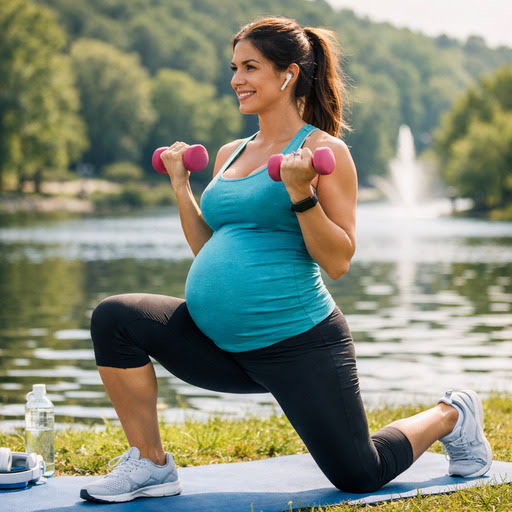
Is it safe to exercise during pregnancy: The Ultimate Guide for Healthy Expectant Parents
Pregnancy is one of the most transformative periods in a person’s life, characterized by profound physiological, hormonal, and psychological changes. For decades, the traditional advice given to expectant parents was to rest, minimize physical exertion, and “eat for two” to protect the fetus. However, modern medical science has shifted this paradigm significantly. Today, one of the most frequently asked questions by pregnant people worldwide is: Is it safe to exercise during pregnancy?
According to extensive research and updated guidelines from reputable organizations like the American College of Obstetricians and Gynecologists (ACOG), the answer for most healthy individuals is a resounding yes. Regular physical activity is not only safe but highly beneficial for both the pregnant person and the developing baby. This comprehensive article explores the medical evidence, benefits, safety protocols, specific workout recommendations, and trimester-based adjustments to provide a definitive answer to the question: Is it safe to exercise during pregnancy? Drawing from clinical reviews and randomized controlled trials, we will navigate the nuances of prenatal fitness to help you maintain a healthy lifestyle.
Medical Evidence Answering: Is it safe to exercise during pregnancy?
When addressing the concern, Is it safe to exercise during pregnancy, it is crucial to look at the evolution of medical advice and the physiology behind it. Historically, pregnancy was viewed as a time of confinement. However, current research indicates that inactivity can actually lead to complications such as excessive gestational weight gain, gestational diabetes, and preeclampsia. The consensus among healthcare providers is that if a pregnancy is uncomplicated, exercise should be encouraged.
A clinical review highlights that health professionals should actively discuss the potential benefits of exercise, noting that with proper risk stratification, physical activity is safe. The physiological adaptations of pregnancy, such as increased blood volume and cardiac output, actually help facilitate moderate exercise. Therefore, when a healthy person asks, “Is it safe to exercise during pregnancy?” the medical community supports the continuation of pre-pregnancy activity levels or the initiation of a moderate program for beginners.
How Is it safe to exercise during pregnancy Impacting the Fetus?
A primary concern for many expectant parents asking “Is it safe to exercise during pregnancy” is the well-being of their baby. Studies monitoring fetal heart rate and uteroplacental blood flow during moderate exercise have shown reassuring results. Research demonstrates that moderate-intensity physical activity does not negatively impact fetal growth or birth weight. In fact, some evidence suggests that active individuals are less likely to have babies that are large for gestational age (macrosomia), which can complicate delivery.
Furthermore, studies involving fetal heart rate responses during maternal exercise (such as jogging or swimming) found no evidence of fetal distress or bradycardia (dangerously slow heart rate). While the fetal heart rate may increase slightly during exertion, it typically remains within a normal physiological range. Thus, the evidence strongly supports the affirmative when asking: Is it safe to exercise during pregnancy?
Fetal Heart Rate Responses to Activity
Scientific observations have shown that the fetus tolerates exercise well. Although there is a transient rise in fetal heart rate by approximately 10 to 15 beats per minute during vigorous activity, this is considered a normal physiological response. There is no evidence to suggest that this temporary increase causes any harm or long-term developmental issues.
Comprehensive Benefits: Why Asking “Is it safe to exercise during pregnancy” is Crucial
Understanding Is it safe to exercise during pregnancy opens the door to numerous physiological and psychological advantages. Engaging in regular physical activity can significantly improve pregnancy outcomes.
- Management of Gestational Diabetes: Clinical trials have shown that exercise is a powerful tool in preventing and managing gestational diabetes mellitus (GDM). By improving insulin sensitivity, exercise helps regulate blood glucose levels without always resorting to medication.
- Weight Control: One of the most documented benefits is the prevention of excessive gestational weight gain. Staying within recommended weight gain ranges is crucial for postpartum recovery and long-term health.
- Reduced Risk of Hypertensive Disorders: Physical activity aids in maintaining healthy blood pressure levels, potentially reducing the risk of preeclampsia, a serious condition characterized by high blood pressure.
- Mental Health Improvements: Pregnancy can be a time of anxiety and mood swings. Exercise releases endorphins, which help combat prenatal depression and improve self-esteem.
- Easier Labor and Delivery: There is evidence suggesting that fit individuals may experience shorter labor durations and a reduced need for operative interventions, such as C-sections or vacuum-assisted deliveries.
When weighing these benefits against the minimal risks in a healthy pregnancy, the importance of asking “Is it safe to exercise during pregnancy” becomes clear—it is an essential component of prenatal care.
Addressing High-Risk Conditions: When Is it safe to exercise during pregnancy Becomes Complicated
While the general answer to “Is it safe to exercise during pregnancy” is yes, there are specific obstetric conditions where exercise may be contraindicated. It is imperative to consult a healthcare provider before starting any regimen.
If you have any of the following, the answer to “Is it safe to exercise during pregnancy” might be “no” or “with extreme caution”:
- Hemodynamically significant heart disease
- Restrictive lung disease
- Incompetent cervix or cerclage
- Multiple gestation (twins/triplets) at risk for premature labor
- Persistent second or third-trimester bleeding
- Placenta previa after 26 weeks of gestation
- Premature labor during the current pregnancy
- Ruptured membranes
- Preeclampsia or pregnancy-induced hypertension
In these high-risk scenarios, Is it safe to exercise during pregnancy becomes a complex medical decision requiring strict medical supervision.
Is it safe to exercise during pregnancy: Essential Safety Guidelines
To ensure the answer remains “yes” to Is it safe to exercise during pregnancy, adhering to frequency and intensity guidelines is vital. The standard recommendation is to aim for at least 150 minutes of moderate-intensity aerobic activity per week. This can be broken down into 30-minute sessions on most days of the week.
The “Talk Test” is a practical way to measure intensity. If you can carry on a conversation while exercising, you are likely working at a safe, moderate intensity. If you are gasping for air, you should slow down. Overexertion can lead to dehydration or overheating, which should be avoided. Hydration is critical; pregnant people must drink plenty of water before, during, and after workouts.
Trimester-Specific Advice to Ensure Is it safe to exercise during pregnancy
Pregnancy is a dynamic process, and your exercise routine should evolve as your body changes. Adjusting your activities by trimester ensures that you can confidently answer yes to Is it safe to exercise during pregnancy at every stage.
First Trimester: Establishing a Routine
During the first 12 weeks, your body is working hard to support the developing embryo. You may experience fatigue and morning sickness.
- Focus: If you were active before, you can likely maintain your routine. If you are new to exercise, start slowly with walking or swimming.
- Caution: Avoid overheating (hyperthermia), as the neural tube is developing. Stay cool, hydrated, and avoid hot yoga or saunas.
Second Trimester: Adapting to Changes
Often called the “honeymoon phase,” energy levels typically return. However, your center of gravity begins to shift.
- Focus: Low-impact aerobics, stationary cycling, and prenatal yoga are excellent.
- Caution: Avoid exercises lying flat on your back (supine position) after 16 weeks. The weight of the uterus can compress the vena cava, reducing blood flow to your heart and the baby, leading to dizziness.
Third Trimester: Preparing for Labor
As you approach delivery, your belly grows significantly, and joint laxity increases due to the hormone relaxin.
- Focus: Maintenance and comfort. Walking, gentle stretching, and water aerobics (which relieves joint pressure) are ideal.
- Caution: Reduce intensity and duration. Listen to your body carefully. If you feel pain or extreme fatigue, stop. Balance is compromised, so avoid activities with a fall risk.
The Importance of Pelvic Floor Exercises
Strengthening the pelvic floor is crucial for labor and recovery. These muscles support the bladder, bowel, and uterus.
- Benefit: Reduces the risk of urinary incontinence (leaking urine) during and after pregnancy.
- Technique: Perform Kegel exercises daily. Squeeze the muscles you use to stop the flow of urine, hold for 10 seconds, and release. Repeat 10-15 times.
How to Perform Kegels Correctly
To ensure effectiveness, make sure you are not tightening your stomach, thighs, or buttocks. Focus entirely on the pelvic floor. You can do these while sitting, standing, or lying down, making them a discreet yet powerful addition to your routine.
Guidelines on Activities: What to Do and What to Avoid
When exploring the nuances of prenatal fitness, choosing the right activity is just as important as the activity itself.
Recommended Activities:
- Walking: Accessible and safe for almost everyone.
- Swimming: Supports weight, reduces injury risk, and prevents overheating.
- Stationary Cycling: Eliminates fall risk while providing cardio.
- Prenatal Yoga/Pilates: Enhances flexibility and core strength.
Activities to Avoid:
- Contact Sports: Ice hockey, boxing, soccer, basketball (risk of abdominal trauma).
- High Fall Risk: Downhill skiing, gymnastics, horseback riding.
- Scuba Diving: Strictly contraindicated due to the risk of fetal decompression sickness.
- High Altitude: Exercising above 2,500 meters (6,000 feet) without acclimatization poses risks of altitude sickness.
Monitoring Warning Signs
Even when the answer to Is it safe to exercise during pregnancy is affirmative for your condition, you must remain vigilant for warning signs. Stop exercising immediately and contact your doctor if you experience:
- Vaginal bleeding
- Regular painful contractions
- Amniotic fluid leakage
- Dyspnea (shortness of breath) before exertion
- Dizziness or fainting
- Headache
- Chest pain
- Muscle weakness affecting balance
- Calf pain or swelling (indicating possible deep vein thrombosis)
Overcoming Barriers and Postpartum Transition
Many people stop exercising due to fatigue, lack of time, or discomfort. However, even 10 minutes of movement can boost energy levels. Listen to your body and rest when needed, but try to stay consistent.
After delivery, the question shifts from “Is it safe to exercise during pregnancy” to “when can I start again?”
- Vaginal Delivery: You can typically resume gentle exercises like walking and Kegels a few days after birth, as long as you feel ready.
- Cesarean Section: Recovery takes longer. Wait for your 6-week check-up before resuming strenuous activity.
Conclusion: Final Thoughts on Is it safe to exercise during pregnancy
In conclusion, for the vast majority of expectant parents, the answer to the question “Is it safe to exercise during pregnancy” is a definite yes. Exercise is a vital component of a healthy pregnancy, offering benefits that extend to both the pregnant person and child, from controlled weight gain to improved mental health.
However, safety is paramount. Always consult your healthcare provider before beginning or modifying an exercise routine. By choosing appropriate activities, listening to your body, and avoiding high-risk sports, you can safely enjoy the benefits of an active pregnancy. Ultimately, understanding Is it safe to exercise during pregnancy empowers people to make informed decisions for a healthier future.
The following post may interest you
Exercise During Pregnancy: Stay Fit and Healthy
Can you fly while pregnant? The Ultimate Safety Guide
Can Pregnant People Dye Their Hair? Safety Guide
Sources
Factors related to exercise over the course of pregnancy including womens beliefs about the safety of exercise during pregnancy
https://www.academia.edu/download/71090023/j.midw.2007.03.00220211003-26031-nyu44a.pdf
Exercise in pregnancy!
A Program of Exercise Throughout Pregnancy. Is It Safe to Mother and Newborn?
https://www.academia.edu/download/87599515/ajhp.130131-QUAN-5620220616-1-1kjphwz.pdf
Exercise in Pregnancy: A Clinical Review
https://pmc.ncbi.nlm.nih.gov/articles/PMC4622376/pdf/10.1177_1941738115599358.pdf
The Risks and Benefits of Exercise During Pregnancy