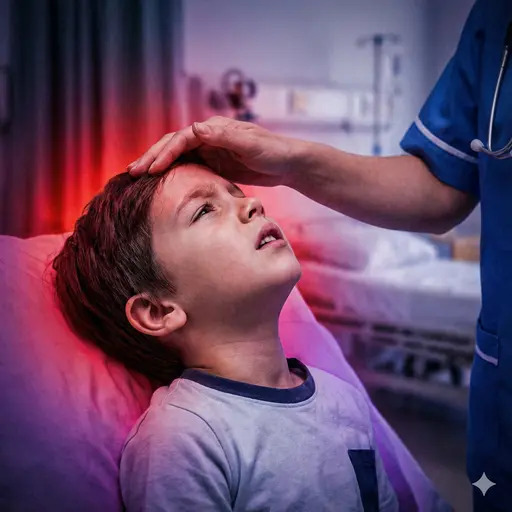
- Understanding Meningitis: A Comprehensive Guide to Symptoms, Causes, and Treatments
- The Critical Signs: Meningitis Symptoms and Warning Signals
- Uncovering the Sources: Meningitis Causes and Types
- Medical Investigation: Meningitis Diagnosis
- Effective Care: Meningitis Treatment and Management
- Defense Strategies: Prevention and the Meningitis Vaccine
- Complications and Long-Term Outlook
- The Global Fight Against Meningitis
- Frequently Asked Questions
Understanding Meningitis: A Comprehensive Guide to Symptoms, Causes, and Treatments
Meningitis is a serious and potentially life-threatening medical condition characterized by the inflammation of the protective membranes surrounding the brain and spinal cord, known as the meninges. This inflammation can trigger a cascade of symptoms that require immediate medical attention. Often referred to as spinal inflammation, the condition can strike people of all ages, though it is most common in infants, young children, and adolescents. Understanding what the illness is and how it affects the body is crucial for early detection and survival. The swelling typically triggers symptoms such as headache, fever, and a stiff neck. While some cases of the viral type improve without treatment in a few weeks, bacterial meningitis is extremely dangerous and requires urgent antibiotic treatment to prevent brain damage and death.
The global burden of the disease is significant. According to the World Health Organization (WHO), Meningitis remains a major global public health challenge, with epidemics seen across the world, particularly in sub-Saharan Africa. The diverse nature of causes—ranging from bacteria and viruses to fungi and parasites—makes accurate diagnosis and prompt treatment essential. This comprehensive guide explores the critical aspects of the condition, including its symptoms, causes, diagnostic procedures, treatment options, and the vital role of Prevention through vaccination.
The Critical Signs: Meningitis Symptoms and Warning Signals
Recognizing symptoms early can save lives. They can develop suddenly, sometimes over a few hours, or over a few days. The classic presentation in adults often involves a specific combination of signs known as the Meningitis triad. This triad consists of fever, nuchal rigidity (stiff neck), and altered mental status. However, not all patients present with all three signs simultaneously.
Common Symptoms in Adults and Children
The most frequent signs of the infection include:
- Sudden High Fever: A rapid spike in temperature is often one of the first signs, indicating the body is fighting an infection.
- Stiff Neck: This is a hallmark symptom. Patients often find it painful or impossible to lower their chin to their chest.
- Severe Headache: A headache associated with the illness is typically different from a normal headache; it is severe and relentless.
- Nausea or Vomiting: These gastrointestinal symptoms frequently accompany the headache and fever.
- Confusion or Difficulty Concentrating: Inflammation affecting the brain can lead to altered mental states, confusion, and sluggishness.
- Seizures: As the inflammation spreads, it can disrupt the brain’s electrical activity, leading to seizures.
- Sleepiness or Difficulty Waking: Extreme lethargy is a danger sign indicating the disease is progressing.
- Sensitivity to Light: Known as photophobia, patients often find bright lights painful.
- Skin Rash: In cases of meningococcal disease, a specific rash may appear. This rash typically does not fade when a glass is pressed against it (the tumbler test).
Symptoms in Newborns and Infants
Detecting the condition in babies can be more challenging as they cannot communicate their pain. Parents should look for:
- High fever: Or sometimes a lower-than-normal temperature.
- Constant crying: The cry may be higher-pitched than usual.
- Excessive sleepiness or irritability: The baby may be difficult to wake or extremely fussy.
- Inactivity: Sluggishness or lack of energy.
- Poor feeding: Refusing to eat or waking to feed.
- Bulging fontanelle: The soft spot on top of the baby’s head may bulge outward.
- Stiffness: The baby’s body and neck may feel stiff or jerky.
Uncovering the Sources: Meningitis Causes and Types
There are several types of the disease, classified by the cause of the infection. Determining the specific source is vital because the Treatment varies significantly depending on whether the infection is bacterial, viral, fungal, or parasitic.
Bacterial Meningitis: A Medical Emergency
Bacterial meningitis is the most severe form of the illness. It can lead to death within hours or cause permanent disabilities such as brain damage, hearing loss, and learning disabilities. The bacteria responsible can spread through respiratory droplets (coughing, sneezing) or throat secretions (kissing).
The primary pathogens responsible for this form include:
- Streptococcus pneumoniae (Pneumococcus): This bacterium is the most common cause of bacterial infection in infants, young children, and adults in the United States. It also causes pneumonia and ear infections.
- Neisseria meningitidis (Meningococcus): This highly contagious bacterium causes meningococcal disease. It often affects teenagers and young adults and can cause local epidemics in college dorms or military bases. The rapid onset of a petechial rash is characteristic of this type.
- Haemophilus influenzae type b (Hib): Before effective vaccines were available, Hib was the leading cause of bacterial infection in young children. Thanks to the vaccine, cases have drastically reduced.
- Listeria monocytogenes: These bacteria are found in unpasteurized cheeses, hot dogs, and lunch meats. Pregnant people, newborns, and older adults are most susceptible. Listeria can cross the placenta, posing a severe risk to the fetus.
Meningitis Virus and Viral Infections
Viral Meningitis is the most common type and is generally less severe than the bacterial form. Most people with this viral type recover on their own without specific medical Treatment. The most common viral culprits are non-polio enteroviruses, which circulate frequently in late summer and early fall.
Other viruses that can lead to the condition include:
- Mumps virus: Can cause inflammation in unvaccinated individuals.
- Herpes simplex virus (HSV): Can cause a severe form of the disease or meningoencephalitis.
- Varicella-zoster virus: The virus that causes chickenpox and shingles.
- Measles and Influenza viruses: Can also lead to inflammation as a complication.
Fungal, Parasitic, and Non-Infectious Forms
- Fungal Meningitis: This rare form usually occurs in people with weakened immune systems, such as those with HIV/AIDS or cancer. Cryptococcus neoformans is a common fungal cause. It is not contagious from person to person but is acquired from the environment.
- Parasitic Meningitis: Various parasites can cause a rare form called eosinophilic or amebic Meningitis (caused by Naegleria fowleri). These are often contracted from contaminated food, water, or soil.
- Non-Infectious Causes: The illness can also result from chemical reactions, drug allergies, some types of cancer (carcinomatous Meningitis), and inflammatory diseases like sarcoidosis or lupus.
Medical Investigation: Meningitis Diagnosis
Prompt diagnosis is crucial for effective Treatment. Because bacterial meningitis can be fatal within days, doctors must act quickly. The diagnostic process typically involves a combination of physical examinations and laboratory tests.
Physical Examination and History
Healthcare providers will check for signs of infection, such as fever, elevated heart rate, and neck stiffness. They may perform specific physical maneuvers:
- Kernig’s Sign: Severe stiffness of the hamstrings causes an inability to straighten the leg when the hip is flexed to 90 degrees.
- Brudzinski’s Sign: Severe neck stiffness causes a patient’s hips and knees to flex when the neck is flexed.
Diagnostic Tests
- Lumbar Puncture (Spinal Tap): This is the definitive test for diagnosis. A needle is inserted into the spinal canal to collect cerebrospinal fluid (CSF). The fluid is analyzed for white blood cell count, glucose levels, protein levels, and the presence of bacteria or viruses. A low glucose level and high white blood cell count in the CSF often indicate a bacterial infection.
- Blood Cultures: Blood samples are drawn to detect bacteria in the bloodstream that could be traveling to the brain.
- Imaging: CT scans or MRI scans of the head may be ordered to check for swelling, abscesses, or other complications in the brain.
- Polymerase Chain Reaction (PCR): This advanced molecular test can detect specific DNA or RNA of the virus or bacteria, providing a rapid identification of the pathogen.
Effective Care: Meningitis Treatment and Management
Treatment depends entirely on the underlying cause. It must be started immediately, often before the specific organism is identified, to prevent severe complications.
Treating Bacterial Meningitis
This form requires urgent hospitalization and aggressive Treatment.
- Intravenous Antibiotics: Broad-spectrum antibiotics are administered intravenously as soon as the disease is suspected. Once the specific bacterium is identified, the antibiotics may be adjusted to a more targeted type.
- Corticosteroids: Drugs like dexamethasone are often given alongside antibiotics to reduce inflammation in the brain and lower the risk of complications such as hearing loss and seizures.
- Supportive Care: This includes IV fluids to prevent dehydration, medications to control fever and seizures, and oxygen therapy if breathing is compromised.
Treating Viral Meningitis
There is no specific antibiotic Treatment for the viral type because antibiotics do not kill viruses. In most cases, the virus runs its course, and the patient recovers with supportive care:
- Bed Rest: Essential for recovery.
- Fluids: Drinking plenty of fluids prevents dehydration.
- Pain Relievers: Over-the-counter medications can help reduce fever and relieve body aches.
- Antivirals: In specific cases, such as infection caused by the herpes virus, antiviral medications may be prescribed.
Treating Fungal and Other Types
- Fungal Meningitis: Treated with long courses of high-dose antifungal medications, often requiring hospital stays.
- Non-infectious Forms: Treatment involves addressing the underlying condition, such as stopping a causative medication or treating the associated cancer or autoimmune disease.
Defense Strategies: Prevention and the Meningitis Vaccine
Prevention is the most effective way to combat the disease. Maintaining good hygiene and keeping the immune system strong are general protective measures, but vaccination offers the best specific protection.
The Meningitis Vaccine: A Lifesaver
Vaccines have drastically reduced the incidence of certain types of Meningitis. Several vaccines are available that protect against the bacteria that most commonly cause the disease:
- Haemophilus influenzae type b (Hib) Vaccine: This meningitis vaccine is part of the routine childhood immunization schedule and has virtually eliminated Hib infections in many countries.
- Pneumococcal Vaccines (PCV13, PCV15, PCV20, PPSV23): These vaccines protect against Streptococcus pneumoniae. They are recommended for children, older adults, and individuals with chronic health conditions.
- Meningococcal Conjugate Vaccine (MenACWY): This vaccine protects against four types of meningococcal bacteria (serogroups A, C, W, and Y). It is routinely recommended for adolescents at age 11-12, with a booster at age 16.
- Serogroup B Meningococcal Vaccine (MenB): This vaccine specifically targets serogroup B meningococcal bacteria, which are not covered by the conjugate vaccine. It is recommended for adolescents and young adults, especially those at increased risk.
Other Preventive Measures
- Hygiene: Bacterial and viral causes are often spread through poor hygiene. Washing hands frequently, especially before eating and after using the restroom, is crucial.
- Avoiding Germs: Do not share personal items like toothbrushes, eating utensils, or lip balms.
- Chemoprophylaxis: If a person has been in close contact with someone diagnosed with meningococcal disease, doctors may prescribe preventative antibiotics (such as rifampin or ciprofloxacin) to clear the bacteria from the nose and throat and prevent the spread of infection.
- Pregnancy Precautions: Pregnant people should avoid unpasteurized cheeses and cook meat thoroughly to avoid Listeria, a known cause.
Complications and Long-Term Outlook
While many people recover from Meningitis, it remains a serious illness. Bacterial meningitis has a higher risk of severe complications compared to other types. According to medical data, approximately 1 in 10 cases of the bacterial form is fatal, and 1 in 5 survivors may suffer from long-term disabilities.
Potential complications include:
- Hearing Loss: One of the most common after-effects.
- Memory and Concentration Problems: Cognitive deficits can persist.
- Learning Disabilities: Especially in children whose brains are still developing.
- Brain Damage: Severe inflammation can cause permanent structural damage.
- Gait and Balance Problems: Coordination issues.
- Seizures: Epilepsy may develop after the infection.
- Kidney Failure: A result of severe sepsis.
- Limb Amputation: In severe cases of meningococcal septicemia, tissue damage may require amputation.
Recovery from the illness takes time. Viral patients may feel better in a week or two, but fatigue can linger. Survivors of bacterial meningitis may require long-term rehabilitation, hearing aids, or special education support.
The Global Fight Against Meningitis
Organizations like the World Health Organization (WHO) and the Centers for Disease Control and Prevention (CDC) are actively working to defeat Meningitis. The WHO’s roadmap aims to eliminate bacterial epidemics by 2030, reduce cases of vaccine-preventable bacterial infections by 50% and deaths by 70%, and improve the quality of life for survivors.
Awareness is key. Understanding the risk factors—such as age (infants and teens), community setting (dorms), certain medical conditions (lack of a spleen), and travel to the “meningitis belt” in sub-Saharan Africa—helps individuals take necessary precautions. The disease does not discriminate, and its rapid onset means that education about symptoms is a critical tool in public health.
By leveraging the power of vaccination, ensuring rapid diagnosis, and providing immediate Treatment, the medical community continues to reduce the burden of this devastating disease. However, vigilance remains essential. If you suspect Meningitis, do not wait. It is a medical emergency, and every minute counts.
Frequently Asked Questions
What is meningitis?
Meningitis is the inflammation of the protective membranes, known as meninges, that surround the brain and spinal cord. It is most often caused by a viral or bacterial infection, though injuries, cancer, and certain drugs can also cause it. This condition causes swelling that triggers symptoms like headache, fever, and a stiff neck and requires immediate medical attention.
How do you get meningitis?
You can get it through the transmission of bacteria or viruses from person to person. This typically happens through the exchange of respiratory or throat secretions during activities like coughing, sneezing, or kissing. Some forms, like fungal or parasitic types, are acquired from the environment (contaminated soil, water, or food) and are not spread from person to person.
Is meningitis contagious?
Yes, some forms are contagious. Bacterial meningitis and viral types can spread from person to person through close contact, coughing, or sneezing. However, they are generally not as contagious as the common cold or flu; you typically need close or prolonged contact to get infected. Fungal and parasitic forms are not contagious.
What causes meningitis?
Causes vary widely but are primarily infectious agents. The most common causes are viruses (such as enteroviruses) and bacteria (such as Streptococcus pneumoniae and Neisseria meningitidis). Less common causes include fungi, parasites, and non-infectious factors like chemical reactions, drug allergies, and certain types of cancer.
How do you get bacterial meningitis?
You get bacterial meningitis when specific bacteria enter your bloodstream and travel to the brain and spinal cord, or when bacteria invade the meninges directly (e.g., from an ear infection or skull fracture). The bacteria responsible, such as meningococcus or pneumococcus, are often spread through respiratory droplets from an infected person or a carrier. Living in close quarters, like college dorms, increases the risk of transmission.
What are the symptoms of meningitis?
The hallmark Symptoms include sudden high fever, severe headache, and a stiff neck. Other common signs are nausea, vomiting, sensitivity to light (photophobia), confusion, and sleepiness. In some bacterial cases, a distinct rash that does not fade under pressure may appear on the skin.
The following posts may interest you
Pneumonia in Babies: Causes, Symptoms, and Treatment
Childhood Asthma: Symptoms, Causes & Treatment
Croup Cough: Understanding and Managing It in Children
When Should I Worry About a Baby’s Cough?
Cold Symptoms in Infants: Signs, Causes & Treatment
Sources
Diagnosis and treatment of bacterial meningitis
https://adc.bmj.com/content/88/7/615.short
Acute Bacterial Meningitis
https://www.sciencedirect.com/science/article/abs/pii/S073386270800028X
Dexamethasone in Adults with Bacterial Meningitis
https://www.nejm.org/doi/full/10.1056/NEJMoa021334
Neonatal Bacterial Meningitis
Cognitive outcome in adults after bacterial meningitis
https://jnnp.bmj.com/content/78/10/1092.short
Bacterial meningitis in Africa
https://www.frontiersin.org/journals/neurology/articles/10.3389/fneur.2023.822575/full
Predicting the Outcome of Neonatal Bacterial Meningitis
Aseptic and Bacterial Meningitis: Evaluation, Treatment, and Prevention
https://www.aafp.org/pubs/afp/issues/2017/0901/p314.html
Pathogenesis and pathophysiology of bacterial meningitis
https://journals.asm.org/doi/abs/10.1128/cmr.6.2.118
Laboratory diagnosis of bacterial meningitis