- Oral Thrush: A Comprehensive Guide to Understanding, Treating, and Preventing Oral Candidiasis
- Understanding the Fungal Infection: What is Oral Thrush?
- Symptoms
- Causes
- Diagnosis
- Treatment
- Managing Oral Thrush in Denture Wearers
- Prevention Strategies for Oral Thrush
- Types of Oral Thrush: A Deeper Look
- Specific Populations
- Choosing the Right Medication
- The Connection Between Diet and the Infection
- When to Seek Medical Help
- Conclusion
- Frequently Asked Questions
- Scientific Resources
Oral Thrush: A Comprehensive Guide to Understanding, Treating, and Preventing Oral Candidiasis
Oral Thrush, medically known as oral candidiasis, is a fungal infection that occurs when there is an overgrowth of a yeast-like fungus called Candida albicans inside the mouth. While this fungus naturally resides in the mouths of many healthy individuals without causing harm, changes in the mouth’s environment or the body’s immune system can allow it to multiply unchecked, leading to infection. This condition is characterized by creamy white lesions on the tongue or inner cheeks, and if left untreated, it can spread to the roof of the mouth, gums, tonsils, or the back of the throat. Understanding the symptoms and seeking timely treatment is crucial for managing this condition effectively. Although it is often seen in babies and toddlers, the infection can affect anyone, particularly those with compromised immune systems.
Understanding the Fungal Infection: What is Oral Thrush?
The human mouth is home to a complex ecosystem of microorganisms, including bacteria and fungi. Under normal circumstances, these organisms coexist in a balanced state. However, Oral Thrush develops when this balance is disrupted, allowing the Candida fungus to thrive. This condition is not limited to a specific demographic, but certain groups are more susceptible. Thrush is essentially a manifestation of the organism switching from a harmless commensal state to a pathogenic one, often invading the mucosal tissues.
While Oral Thrush is the most common name, you might also hear it referred to as oropharyngeal candidiasis, moniliasis, or thrush candida. Regardless of the name, the underlying issue remains the overgrowth of Candida species. Candida mouth infections can range from mild irritations to severe, painful conditions that interfere with eating and swallowing.
The Role of Candida Albicans
Candida albicans is the primary culprit behind the infection. It is a dimorphic fungus, meaning it can exist as yeast cells or invasive hyphae. The transformation into the hyphal form is often associated with tissue invasion and the development of symptoms. Thrush candida thrives in warm, moist environments, making the oral cavity an ideal habitat. While C. albicans is the most common cause, other species like Candida glabrata or Candida tropicalis can also cause thrush in mouth, sometimes complicating treatment of oral candidiasis if they are resistant to standard antifungal medications.
Detailed Oral Thrush Symptoms and Clinical Presentation of Thrush in Mouth
Recognizing Oral Thrush symptoms early is vital for effective management. The presentation can vary slightly depending on the underlying cause and the age of the patient, but the classic signs are quite distinct.
Classic Signs in Adults and Children
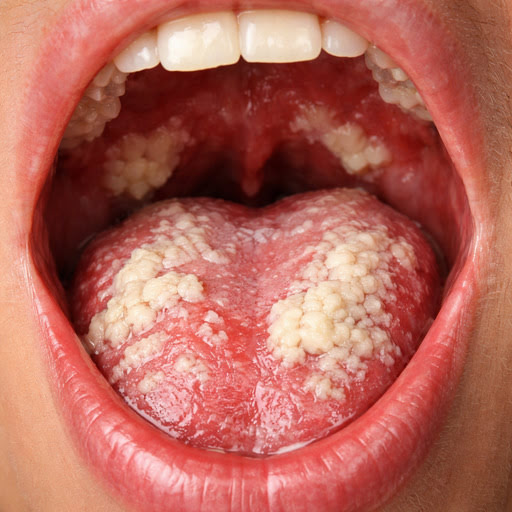
The most hallmark symptom is the appearance of white, slightly raised lesions. These lesions often have a “cottage cheese” appearance.
- White Lesions: Creamy white patches on the tongue, inner cheeks, and sometimes on the roof of the mouth, gums, and tonsils.
- Redness and Soreness: Beneath the white lesions, the tissue may be red, raw, and sore. This can cause difficulty eating or swallowing.
- Bleeding: If the white lesions are scraped or rubbed (for example, while brushing teeth), they may bleed slightly.
- Cracking at Corners of the Mouth: Known as angular cheilitis, redness and cracking at the corners of the mouth are common symptoms.
- Cottony Feeling: A sensation of having cotton in the mouth.
- Loss of Taste: An impaired sense of taste is a frequently reported symptom.
If you are looking for Oral Thrush pictures online to compare with your symptoms, look for images showing white plaques that can be wiped off to reveal a red base, which is a key diagnostic feature distinguishing it from other oral conditions like leukoplakia.
Symptoms in Infants and Breastfeeding Mothers
Oral Thrush is very common in infants. In addition to the white mouth lesions, infants may have trouble feeding or be unusually fussy and irritable. It is important to note that the infection can be passed between the mother and the baby during breastfeeding. This cycle of reinfection requires simultaneous treatment of oral candidiasis for both.
- Symptoms in Mothers: Mothers may experience unusually red, sensitive, or itchy nipples. The skin on the areola may be shiny or flaky, and there may be stabbing pain deep within the breast during or after feedings.
Causes and Risk Factors for Oral Thrush
The condition is rarely a primary disease; it is usually a sign that something else is amiss in the body’s defense systems. Several factors can predispose an individual to thrush candida infections.
Compromised Immunity
A weakened immune system is the most significant risk factor. Individuals with HIV/AIDS, cancer, or those undergoing chemotherapy are at high risk. In these cases, the infection can become severe and may spread to the esophagus.
Medication-Induced Infection
Certain medications disrupt the natural balance of microorganisms in the mouth.
- Antibiotics: While antibiotics kill harmful bacteria, they also destroy the healthy bacteria that keep Candida in check. This reduction in competition allows the fungus to overgrow, leading to Oral Thrush.
- Corticosteroids: Inhaled corticosteroids used for asthma or COPD are a common cause. Failure to rinse the mouth after using an inhaler often results in the infection.
Chronic Conditions
- Diabetes: High blood sugar levels can encourage the growth of Candida. Uncontrolled diabetes often presents with recurrent fungal infections, including thrush in mouth.
- Xerostomia (Dry Mouth): Saliva contains antimicrobial proteins that help control fungal growth. Conditions or medications that reduce saliva production increase the risk of developing thrush.
Dental Prosthetics
Wearing dentures, especially if they do not fit properly or are not cleaned regularly, creates an environment where Candida can thrive. This often leads to a specific type of Oral Thrush called denture stomatitis.
Diagnosis of Oral Thrush
Diagnosing Oral Thrush typically involves a visual examination by a healthcare professional. The distinctive white lesions are usually enough to confirm the diagnosis. However, to be certain, a doctor may perform a scraping. By gently scraping the lesion and examining the sample under a microscope (often using a potassium hydroxide preparation), they can verify the presence of Candida yeasts or hyphae. In resistant cases or when standard treatment fails, a culture might be taken to identify the specific strain of Candida and determine which antifungal medication will be most effective.
Oral Thrush Treatment Options
The primary goal of treatment is to stop the rapid spread of the fungus. The best approach depends on the patient’s age, overall health, and the severity of the infection.
Topical Antifungal Medications
For mild to moderate cases, topical treatments are the first line of defense.
- Nystatin: Nystatin is a polyene antifungal medication. It is frequently prescribed as an oral suspension (liquid) that is swished around the mouth and then swallowed. It is effective for both infants and adults.
- Miconazole Gel: Miconazole is another common medication. It is an azole antifungal available as a gel that is applied directly to the affected areas in the mouth.
- Clotrimazole Lozenges: These are lozenges that dissolve slowly in the mouth, allowing the medication to remain in contact with the infected tissues for a longer period.
Systemic Antifungals
For severe cases, or when topical agents are ineffective, systemic medications may be necessary.
- Fluconazole: This is a powerful oral antifungal pill (or liquid) that is absorbed into the bloodstream to treat the infection systemically. It is the standard candida oral treatment for more persistent cases.
- Itraconazole: Used when fluconazole is not effective or cannot be used.
Home Care and Lifestyle Adjustments
While Oral Thrush medication is necessary to kill the fungus, lifestyle changes support recovery and prevent recurrence.
- Saltwater Rinses: Rinsing with warm saltwater can help soothe the irritation and cleanse the mouth.
- Oral Hygiene: Maintaining excellent oral hygiene is crucial. Brushing twice a day and flossing daily helps reduce the fungal load.
- Probiotics: Some studies suggest that probiotics (like yogurt with live cultures) can help restore the natural balance of bacteria in the mouth.
Managing Oral Thrush in Denture Wearers
For individuals who wear dentures, treatment must include meticulous denture care. The dentures act as a reservoir for the fungus.
- Cleaning: Dentures must be removed at night and cleaned thoroughly.
- Disinfection: Soaking dentures in a solution containing a mild bleach solution (for plastic dentures) or a commercial denture cleaner with antifungal properties is essential to kill the thrush candida residing on the prosthetic.
- Fit: Ensuring dentures fit properly prevents trauma to the gums, which can be a gateway for infection.
Prevention Strategies for Oral Thrush
Preventing the condition is often easier than treating it, especially for those prone to recurrent infections.
Oral Hygiene Best Practices
Regular brushing and flossing remove food particles and plaque that can harbor fungus. Using a soft-bristled toothbrush prevents damage to the gums. It is also important to replace toothbrushes frequently, especially after an active infection, to avoid reinfection.
Managing Underlying Conditions
- Diabetes Control: Keeping blood sugar levels within a healthy range significantly reduces the food source for the yeast, preventing thrush in mouth.
- Asthma Management: Patients using corticosteroid inhalers must rinse their mouth with water and spit it out after every use. Using a spacer device can also reduce the amount of medication deposited in the mouth.
Diet and Nutrition
Limiting the intake of sugar and yeast-containing foods can help starve the Candida fungus. A balanced diet supports a healthy immune system, which is the body’s natural defense against Oral Thrush.
Types of Oral Thrush: A Deeper Look
While the pseudomembranous form (white patches) is the most well-known, the infection can manifest in other ways, often referred to in medical classifications.
Pseudomembranous Candidiasis
This is the classic form characterized by white plaques that wipe off. It is the most common form seen in infants and immunocompromised adults.
Erythematous Candidiasis
This form presents as red, raw areas in the mouth without the characteristic white patches. It is often associated with antibiotic use or corticosteroids. It can be very painful and is sometimes referred to as “antibiotic sore mouth.”
Hyperplastic Candidiasis
Also known as candidal leukoplakia, this form presents as white plaques that cannot be rubbed off. It is less common and usually seen in smokers. This type requires careful monitoring as it can sometimes be pre-malignant.
Denture Stomatitis
This is a form of erythematous candidiasis confined to the area of the gums covered by dentures. It is extremely common in older people patients who wear dentures continuously.
Complications of Untreated Infection
If Oral Thrush is ignored, it rarely resolves on its own in immunocompromised individuals. The infection can spread downwards, causing:
- Esophageal Candidiasis: The infection spreads to the esophagus (the food pipe), causing pain and difficulty swallowing. This is a serious condition often requiring intravenous antifungal treatment.
- Systemic Candidiasis: In extremely vulnerable patients, the fungus can enter the bloodstream and affect vital organs, a condition known as invasive candidiasis, which is life-threatening.
Specific Populations
Infants and Oral Thrush
This condition is a frequent concern for new parents. It typically appears in the first few weeks or months of life. While usually not serious, it can cause discomfort during feeding. Treatment of oral candidiasis in infants usually involves applying Nystatin drops to the inside of the cheeks. Sterilizing pacifiers and bottle nipples is critical to prevent reinfection.
The Older People
The older people are at higher risk due to factors like denture use, reduced salivary flow, and a naturally weakening immune system. Oral candidiasis treatment in this group often involves addressing the fit of dentures and managing dry mouth symptoms alongside antifungal medications.
HIV/AIDS Patients
For individuals living with HIV, Oral Thrush can be a recurring and persistent problem. It was historically one of the early indicators of HIV infection. In these cases, long-term suppressive medication (like fluconazole) may be required to keep the infection at bay.
Choosing the Right Medication
The choice of medication is a clinical decision based on the specific strain of fungus and the patient’s history.
- Nystatin suspension is often the first choice for children due to its safety profile.
- Miconazole is effective but must be used with caution in patients taking blood thinners like warfarin, as it can interact with these drugs.
- Fluconazole is the gold standard for systemic treatment but may have side effects like nausea or liver enzyme elevation.
When searching for treatment, patients should always consult a doctor rather than relying solely on over-the-counter remedies, as incorrect treatment can lead to resistant fungal strains.
The Connection Between Diet and the Infection
There is a popular belief that a “Candida diet”—one low in sugar and refined carbohydrates—can cure Oral Thrush. While reducing sugar is generally healthy and can help control Candida overgrowth (especially in diabetics), diet alone is rarely sufficient to cure an established infection. It should be viewed as a complementary measure alongside proven oral candidiasis treatment. Foods rich in iron, vitamin B12, and folate should be encouraged, as deficiencies in these nutrients can predispose individuals to the condition.
When to Seek Medical Help
You should see a doctor if you notice creamy white lesions in your mouth, especially if you have a compromised immune system. If symptoms persist despite home care or over-the-counter treatment, medical intervention is necessary. Difficulty swallowing or pain in the throat indicates that the infection may have spread, requiring immediate attention.
Differentiating Oral Thrush from Other Conditions
It is important not to self-diagnose based solely on Oral Thrush pictures found on the internet. Other conditions like lichen planus, geographic tongue, or even oral cancer can mimic the appearance of thrush. A professional diagnosis ensures that the correct condition is being treated. Thrush in mouth is usually distinct because the white patches can be scraped off, whereas leukoplakia patches cannot.
Conclusion
Oral Thrush is a manageable condition, but it requires prompt and appropriate action. Whether it’s a mild case in a healthy infant or a recurrent issue in a diabetic adult, understanding the symptoms is the first step toward recovery. Effective treatment relies on antifungal agents like Nystatin suspension or fluconazole, combined with good oral hygiene and management of predisposing factors. By maintaining a healthy lifestyle and addressing the root causes, the recurrence of the infection can be significantly reduced, ensuring oral health and overall well-being.
Frequently Asked Questions
What is oral thrush?
It is a fungal infection of the mouth caused by the overgrowth of the Candida yeast, most commonly Candida albicans. It presents as white, creamy lesions on the tongue and inner cheeks that can sometimes be painful and may bleed when scraped. While it is common in infants and the older people, it can affect anyone, particularly those with weakened immune systems or those taking certain medications.
How to get rid of oral thrush?
To get rid of Oral Thrush, you typically need to use antifungal medications prescribed by a doctor, such as Nystatin drops, mild lozenges, or systemic pills like fluconazole. Alongside medication, maintaining good oral hygiene by brushing and flossing regularly is essential to reduce the fungal load. Rinsing your mouth with warm saltwater can also help soothe symptoms and support the healing process.
Is oral thrush contagious?
The infection is generally not considered contagious in the traditional sense for healthy adults, as Candida is already present in most people’s mouths. However, it can be passed between an infant and a breastfeeding mother, or potentially through kissing if the partner is at high risk for infection. It is not typically spread through casual contact like sharing cups, though good hygiene is always recommended.
How to treat oral thrush?
The most effective way to treat Oral Thrush is with antifungal medicines which can be applied topically (gels or liquids) or taken orally (tablets). Treatment of oral candidiasis often involves using Nystatin suspension or miconazole gel for mild cases, while severe cases may require fluconazole. Treating the underlying cause, such as controlling diabetes or fixing ill-fitting dentures, is also a critical part of the treatment plan.
What causes oral thrush in adults?
Oral Thrush in adults is often caused by factors that weaken the immune system or disrupt the natural balance of microorganisms in the mouth. Common causes include the use of antibiotics or inhaled corticosteroids, uncontrolled diabetes, and wearing dentures. Additionally, conditions like HIV/AIDS or cancer treatments can severely compromise immunity, making adults more susceptible to thrush candida.
What is thrush?
Thrush is a general term for an infection caused by the Candida fungus, which can occur in various parts of the body, including the mouth, throat, and genitals. When it occurs in the mouth, it is specifically called Oral Thrush or oral candidiasis. It signifies an overgrowth of the yeast that is normally kept in check by the body’s immune system and healthy bacteria.
The following posts may interest you
Infant Oral Health: Expert Guide for Parents
What medications are safe while breastfeeding: Expert Guide
Sources
A Novel Murine Model of Oral Candidiasis with Local Symptoms Characteristic of Oral Thrush
https://onlinelibrary.wiley.com/doi/full/10.1111/j.1348-0421.2003.tb03403.x
Oral Fungal Microbiota: To Thrush and Beyond
https://pmc.ncbi.nlm.nih.gov/articles/PMC6827844
Candida species and oral mycobiota of patients clinically diagnosed with oral thrush
https://journals.plos.org/plosone/article?id=10.1371/journal.pone.0284043
Incidence of oral thrush in patients with COPD prescribed inhaled corticosteroids: Effect of drug, dose, and device
https://www.sciencedirect.com/science/article/pii/S0954611116302451
Revisiting oral thrush in South-East Asian patients: A review of published studies (2000–2020)
https://onlinelibrary.wiley.com/doi/abs/10.1111/jop.13266
Oral Thrush
https://link.springer.com/chapter/10.1007/978-3-030-56978-5_23
Candidiasis (oropharyngeal)
https://pmc.ncbi.nlm.nih.gov/articles/PMC2907793
Oral Hygiene Measures to Improve The Condition of Patients With Oral Thrush: A Case Study by. Z And By. I
https://annpublisher.org/ojs/index.php/medisci/article/view/662