The Ultimate Banana Puree Recipe Guide
Introducing solid foods is a monumental milestone, and starting with a simple, homemade meal is an excellent choice for new parents. This naturally sweet and creamy dish requires absolutely no cooking, making it incredibly convenient for busy schedules. Bananas are widely available, highly inexpensive, and a safe, allergy-friendly choice for your little one’s delicate digestive system. Because of its soft texture, a well-prepared banana puree is highly recommended as a perfect introductory meal. Making baby food at home guarantees no hidden preservatives or artificial flavors.
Why banana puree for 4 month baby is a Great First Food
When transitioning an infant to solids, you want a food that is effortless to swallow and digest. The natural sweetness of bananas appeals heavily to most infants, ensuring a positive first eating experience. It serves as an ideal base that pairs beautifully with other ingredients. Serving it plain initially helps your infant learn new textures without being overwhelmed. A single-ingredient meal also helps you easily monitor for any rare but possible allergic reactions before moving on to multi-ingredient dishes.
Essential Health Benefits of banana puree for baby
Bananas are considered one of nature’s perfect foods because they are packed with vital nutrients for rapid development. Serving this fruit provides a fantastic source of potassium, which actively supports heart health. Additionally, it is incredibly rich in Vitamin B6 and dietary fiber. The high fiber content gently aids in healthy digestion, though it is highly important to monitor your infant closely since consuming too many bananas without adequate hydration can occasionally cause mild constipation in very sensitive little tummies.
Age Guide: Banana puree for 5 month baby and Beyond
Pediatricians recommend introducing solid foods between four to six months, depending on readiness signs. As swallowing reflexes improve, a Banana puree for 5 month baby can be made slightly thicker than the very initial liquid stages. You do not need to overcomplicate the process at this age. Just focus on providing a pleasant, stress-free dining environment that encourages your child to explore the taste and feel of real, unprocessed foods from the very beginning of their culinary adventure.
The Perfect puree banana recipe & Essential Preparation Tips
Creating this meal at home is faster than buying pre-packaged jars. For this puree banana recipe, you only need one fully ripe fruit. Choosing the right banana is the ultimate secret to recipe success; always look for a yellow peel with small brown spots, indicating peak natural sweetness and softest texture.
Simply peel the fruit, place it in a clean, shallow bowl, and mash it vigorously with a simple kitchen fork. For an ultra-smooth, professional-grade texture, utilize a baby food blender or a mini food processor. The most important tip is to add a few drops of breastmilk, infant formula, or plain filtered water to thin the dense mixture and achieve the perfect, swallow-friendly consistency. Lumps can be a severe choking hazard for very young infants, so ensuring a perfectly smooth texture is absolutely non-negotiable for early eaters just starting out.
Storage Rules for pureed banana & Banana puree for 6 month baby
Knowing how to preserve homemade food is crucial for busy parents. If you have leftovers, strictly store them in airtight containers in the refrigerator for up to three days. For long-term storage, freezing is the most efficient and practical method.
Carefully spoon the pureed banana into flexible silicone ice cube trays and freeze until completely solid. Once frozen hard, pop the individual cubes into a durable freezer-safe bag for up to three months. By the time they reach the half-year mark, a Banana puree for 6 month baby can comfortably include these pre-portioned cubes mixed with oatmeal or yogurt. To easily prevent unsightly brown oxidation, add a tiny, single drop of fresh lemon juice before freezing. Always remember to safely thaw the frozen cubes overnight in the fridge.
Frequently Asked Questions
How to make banana puree for baby?
To effortlessly create this wholesome dish at home, start by selecting a perfectly ripe fruit adorned with small brown spots for maximum natural sweetness and optimal softness. Peel the skin, chop it into smaller, manageable slices, and then mash it thoroughly with a fork or blend it continuously in a standard food processor until it reaches a velvety, creamy texture without any hidden lumps. Finally, make sure to thin the mixture carefully with a little breastmilk or infant formula to perfectly suit your child’s swallowing ability before immediately serving it fresh.
The following posts may interest you
Avocado Puree For Baby: Easy & Nutritious Recipe
Sweet Potato Puree Recipe: The Ultimate Homemade Guide
Sources
BANANAS, A SOURCE OF COMPOUNDS WITH HEALTH PROPERTIES
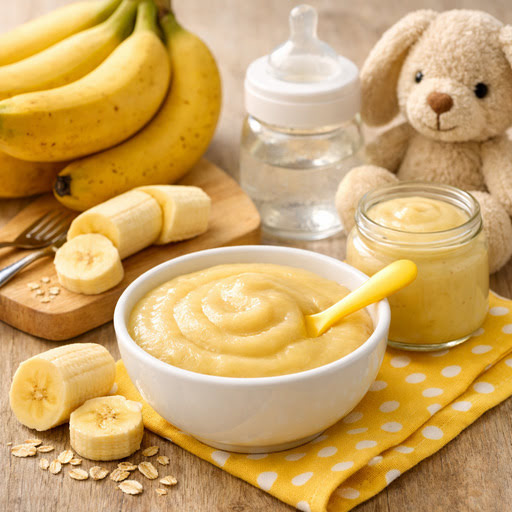
Ingredients
- 1 ripe banana (yellow with small brown spots)
- 1-2 tablespoons breastmilk, infant formula, or water (to thin the puree)
- A tiny pinch of cinnamon (optional, for older babies)
- 1 drop of fresh lemon juice (optional, to prevent browning)
Instructions
1. Peel the ripe banana and slice it into small, manageable chunks. 2. Place the banana slices into a small food processor, baby blender, or a shallow bowl if you prefer mashing by hand. 3. Blend or mash vigorously until you achieve a completely smooth, velvety consistency with absolutely no hidden lumps. 4. Gradually add the breastmilk, formula, or water, 1 tablespoon at a time, blending or stirring until you reach the perfect texture for your baby's swallowing ability. 5. Serve the fresh puree to your baby immediately, or portion it out for safe storage.
Notes
The Secret to Sweetness (Crucial Tip): The ultimate key to a delicious puree is choosing the perfect banana. Always look for a yellow peel with small brown freckles. This guarantees the fruit is naturally sweet, softest in texture, and easy for tiny tummies to digest. Avoid green bananas as they can cause stomach discomfort. Mastering the Texture:For a 4-month-old just starting solids (Stage 1), use a blender and add enough milk to make it perfectly smooth and runny. For older babies (6+ months), simply mashing it with a fork to leave very small, soft lumps is a great way to encourage early chewing mechanics. The Anti-Browning Trick: Bananas naturally oxidize and turn brown quickly when exposed to air. If you are meal-prepping or freezing the puree, stir in a single drop of fresh lemon juice before storing. This will keep the puree looking bright and appetizing! Storage & Freezing (Meal Prep):Store leftover puree in an airtight container in the refrigerator for up to 3 days. To freeze, spoon the puree into flexible silicone ice cube trays. Once frozen solid, pop the cubes into a freezer-safe bag for up to 3 months. Thaw individual cubes safely overnight in the refrigerator. Health & Digestion Warning: Bananas are incredible for potassium and fiber, but feeding too much plain banana without hydration can occasionally cause mild constipation in babies. You can balance this by mixing the banana puree with prune puree, avocado, or baby oatmeal!