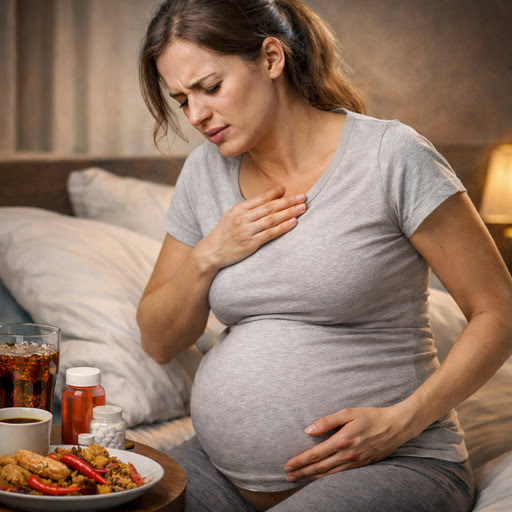
Comprehensive Guide on What causes heartburn in pregnancy and Effective Management Strategies
Pregnancy involves profound physiological changes. Some are joyous, while others present significant physical challenges. Gastroesophageal reflux disease (GERD), often called heartburn, is a frequent complaint for pregnant people. Understanding what causes heartburn in pregnancy is the first step toward managing this uncomfortable symptom. It affects a vast majority of expectant parents. Research indicates that 30% to 80% of pregnant individuals experience this sensation during gestation. Health professionals generally consider it a normal part of a healthy pregnancy. However, the persistent burning sensation in the chest and throat can drastically impact quality of life, sleep, and nutrition.
This detailed guide delves deep into the biological, mechanical, and lifestyle factors behind this condition. We analyze current medical evidence and clinical guidelines. This guide explores the triggers of acid reflux, how it manifests across trimesters, and safe relief methods.
The Biological Mechanisms Behind What causes heartburn in pregnancy
To comprehend what causes heartburn in pregnancy, we must examine surging hormone levels and anatomical shifts in the body. Heartburn occurs when acidic stomach contents flow backward into the esophagus. This muscular tube connects the mouth to the stomach. The stomach has a protective mucosal lining. The esophagus does not. Consequently, corrosive gastric acid causes inflammation and characteristic burning pain.
Hormonal Factors That Explain What causes heartburn in pregnancy
The primary driver when discussing what causes heartburn in pregnancy is the dramatic fluctuation of pregnancy hormones, specifically progesterone. During pregnancy, the placenta produces significantly high levels of progesterone. Biologically, this hormone relaxes the uterus’s smooth muscles. This prevents premature contractions and accommodates the growing fetus. However, this hormone does not act selectively on the uterus. It relaxes smooth muscle tissue throughout the body, including the Lower Esophageal Sphincter (LES).
The LES is a muscular valve located at the entrance of the stomach. Usually, it functions like a tight gate. It opens to allow food in and closes tightly afterward to prevent stomach acid from escaping. High progesterone levels relax the LES, causing it to lose tone. Harsh stomach acid then seeps upward into the sensitive esophagus. Furthermore, progesterone impacts the digestive system by slowing down the wavelike contractions of the stomach and intestines (gastric motility). This means food remains in the stomach for longer periods before moving to the small intestine. This gastric emptying delay is a crucial component of the problem. A fuller stomach increases the volume of contents available for reflux.
Mechanical Pressure and Physical Causes of Acid Reflux
As pregnancy progresses into the second and third trimesters, the growing fetus plays a significant role in what causes heartburn in pregnancy. The uterus must expand tremendously to accommodate the developing baby, placenta, and amniotic fluid. By the third trimester, the uterus occupies a large portion of the abdominal cavity, displacing other organs. This expansion exerts substantial upward mechanical pressure on the stomach.
This physical crowding pushes the stomach contents upward toward the diaphragm and esophagus. Even if the LES were functioning perfectly, this immense intra-abdominal pressure could potentially overcome the valve’s resistance. Combining this mechanical pressure with the valve’s hormonal relaxation creates the “perfect storm” for severe acid reflux. This explains why symptoms often worsen as the baby grows. The third trimester becomes a peak period for these complaints and digestion becomes uncomfortable.
Lifestyle Triggers and What causes heartburn in pregnancy
While biology and anatomy play the leading roles, external factors and daily habits significantly influence the severity and frequency of symptoms. Identifying what causes heartburn in pregnancy regarding lifestyle choices can empower pregnant people to minimize discomfort through behavioral modification.
Dietary Habits That Influence What causes heartburn in pregnancy
What a person eats can exacerbate the physiological predisposition to reflux. Certain foods possess chemical properties that can either relax the LES further or directly irritate the already inflamed esophageal lining. When investigating potential causes, healthcare providers often review a patient’s diet for specific triggers.
Common dietary culprits include:
- Spicy Foods: Dishes containing chili, curry, and hot peppers can directly irritate the stomach lining and the esophagus.
- Fatty and Fried Foods: Fats take longer to digest. High-fat meals keep the stomach full longer, increasing the chance of reflux.
- Acidic Foods: Citrus fruits (oranges, grapefruits, lemons) and tomatoes (including sauces) can directly increase the acidity of the stomach contents.
- Caffeine and Chocolate: Both contain methylxanthines, substances that can chemically relax the smooth muscle of the esophageal sphincter, worsening the hormonal effect.
- Carbonated Beverages: The gas in sodas and sparkling waters expands the stomach, increasing internal pressure and forcing the LES open.
Diet is a major component of digestive health during pregnancy. Understanding this allows for targeted modifications. For example, adopt a grazing pattern with smaller, frequent meals to prevent stomach distension.
Clinical Perspectives on What causes heartburn in pregnancy
Medical research has provided extensive data on the prevalence and management of this condition. Understanding what causes heartburn in pregnancy involves recognizing it as a potential symptom of other conditions. Pre-existing gastrointestinal issues can also exacerbate it.
Examining Medical History and What causes heartburn in pregnancy
Individuals with a history of acid reflux or GERD before conception are more likely to suffer from it during pregnancy. Additionally, multiparous people (those pregnant before) often report earlier and more severe symptoms compared to first-time parents. This may be due to the body’s quicker hormonal response or lasting changes from previous pregnancies. In rare cases, Helicobacter pylori infection might complicate symptoms attributed to normal pregnancy reflux. However, pregnancy itself does not specifically increase the risk of this infection.
Vitaly, one must distinguish the sensations of what causes heartburn in pregnancy from signs of serious complications like preeclampsia or HELLP syndrome. Typical heartburn causes a burning sensation in the central chest. However, severe, unremitting pain in the upper right abdomen is a “red flag”. This epigastric pain may indicate liver involvement associated with preeclampsia. If heartburn medication provides no relief and the pain is severe, immediate medical attention is required.
Gastroesophageal Reflux Disease (GERD) Variations
We generally ask what causes heartburn in pregnancy, but clinicians often classify this as Gastroesophageal Reflux Disease (GERD). Symptoms extend beyond just burning. They can include regurgitation, bloating, burping, nausea, and a persistent sour taste. Smooth muscle relaxation affects the entire gastrointestinal tract and contributes to constipation. This creates a blockage effect, further increasing abdominal pressure. Thus, constipation is indirectly part of the issue by slowing down the entire digestive system’s transit time.
The Impact of Posture and Sleep on What causes heartburn in pregnancy
Gravity is a natural defense against acid reflux. When standing or sitting upright, gravity helps keep stomach acid down. However, lying down flat eliminates this advantage. Many people ask why symptoms flare up intensely at night. The answer lies in the recumbent position. It allows acid to flow freely into the esophagus, especially while digesting a late dinner. Sleeping flat on the back can worsen symptoms, whereas sleeping on the left side is anatomically superior for reducing acid exposure. Elevating the head of the bed or using a wedge pillow provides significant relief. This recruits gravity to keep acid in the stomach.
Safe Management and Options for What causes heartburn in pregnancy
Once a patient understands what causes heartburn in pregnancy, the focus shifts to safe management. Fetal health is paramount. Therefore, treatment usually follows a “step-up” approach. It starts with lifestyle changes and moves to medication only if necessary.
Non-Pharmacological Remedies for What causes heartburn in pregnancy
Before prescribing medication, doctors address what causes heartburn in pregnancy through behavioral changes. The most effective non-medical interventions include:
- Eating Small, Frequent Meals: This avoids overfilling the stomach, reducing the pressure on the LES.
- Proper Chewing: Chewing gum (especially non-mint flavors) can stimulate saliva production. Saliva is alkaline and helps neutralize acid in the esophagus.
- Postural Discipline: Remaining in an upright position for at least three hours after eating allows the stomach to empty before lying down.
- Fluid Management: Drinking fluids between meals rather than with meals prevents the stomach from becoming over-distended with volume during digestion.
- Weight Management: Adhering to recommended weight gain guidelines helps minimize excessive abdominal pressure.
Pharmacological Interventions and Safety
When lifestyle changes fail to address what causes heartburn in pregnancy, medication may be required. However, not all heartburn drugs are safe for the fetus.
- Antacids: These are often the first line of defense. They work by chemically neutralizing stomach acid. Calcium-based (e.g., Tums) and magnesium-based antacids are generally considered safe. However, take them within recommended limits to avoid hypercalcemia.
- Alginates: These formulations (e.g., Gaviscon) create a foam “raft” or physical barrier that floats on top of the stomach contents. This raft physically blocks reflux from entering the esophagus. They are highly effective because they target the mechanical aspect of the condition.
- H2 Receptor Antagonists (H2RAs): If antacids fail, doctors may prescribe drugs like famotidine (Pepcid). These reduce the amount of acid the stomach produces. Ranitidine (Zantac) faced recalls in various regions due to contaminants. Consequently, doctors currently prefer alternatives like famotidine.
- Proton Pump Inhibitors (PPIs): For severe cases where what causes heartburn in pregnancy causes weight loss or esophageal damage, doctors may use PPIs like omeprazole. While generally considered safe, doctors usually reserve them for intractable symptoms unresponsive to other treatments.
Medications to Avoid
Understanding what causes heartburn in pregnancy also means knowing what not to take. Avoid antacids containing sodium bicarbonate (baking soda) or use them with extreme caution. They can cause fluid retention (edema) and metabolic issues. Doctors generally contraindicate high doses of aspirin or non-steroidal anti-inflammatory drugs (NSAIDs) during pregnancy. They can affect fetal development, complicate labor, and irritate the stomach.
Long-Term Outlook for What causes heartburn in pregnancy
For the vast majority of pregnant people, what causes heartburn in pregnancy is strictly a temporary condition tied to the pregnancy itself. Once the baby is born, progesterone levels drop rapidly. The mechanical pressure of the uterus vanishes as the organ involutes. Consequently, the LES regains its muscular tone, and digestion returns to its normal speed.
When Symptoms Persist After Pregnancy
If the condition turns into “heartburn after pregnancy,” seek further medical evaluation. About 20% of individuals may continue to experience symptoms postpartum. Persistent GERD might indicate an underlying anatomical issue like a hiatal hernia. Pregnancy may have simply unmasked or exacerbated chronic GERD.
The Link Between Maternal Acid Reflux and Child Health
Recent studies have explored whether the medications used to treat what causes heartburn in pregnancy affect the child. Some epidemiological data suggests a potential link between prenatal exposure to acid-suppressing drugs and childhood asthma risk. However, untreated severe reflux can lead to maternal malnutrition, stress, and poor sleep, which also carry risks for the pregnancy. Therefore, weigh the benefits against the potential risks when deciding to medicate. Remember that acid reflux is a manageable condition.
Summary of Key Factors in What causes heartburn in pregnancy
In summary, the burning sensation is a combination of:
- Hormonal surges (Progesterone) relaxing the valve between the stomach and esophagus.
- Physical pressure from the expanding uterus crowding the stomach.
- Slower gastric emptying delaying digestion.
- Dietary triggers and lifestyle habits exacerbating these physiological changes.
Final Thoughts on Managing Acid Reflux
Dealing with acid reflux is a marathon, not a sprint. By understanding what causes heartburn in pregnancy, expectant parents can make informed decisions about their diet, posture, and treatments. Propping up extra pillows, wearing loose-fitting clothing, or avoiding spicy meals can make a significant difference. Always consult with a healthcare provider. Ensure any treatment plan addresses your symptoms safely for both parent and baby.
The following post may interest you
Is it safe to exercise during pregnancy: A Complete Guide
Can you fly while pregnant? The Ultimate Safety Guide
Sources
Heartburn in pregnancy
https://pmc.ncbi.nlm.nih.gov/articles/PMC4562453/pdf/2015-1411.pdf
Constipation, haemorrhoids, and heartburn in pregnancy
https://pmc.ncbi.nlm.nih.gov/articles/PMC3217736/pdf/2010-1411.pdf
Review of recent evidence on the management of heartburn in pregnant and breastfeeding people
https://link.springer.com/content/pdf/10.1186/s12876-022-02287-w.pdf
Interventions for heartburn in pregnancy
https://pmc.ncbi.nlm.nih.gov/articles/PMC4071443/pdf/CD007065.pdf