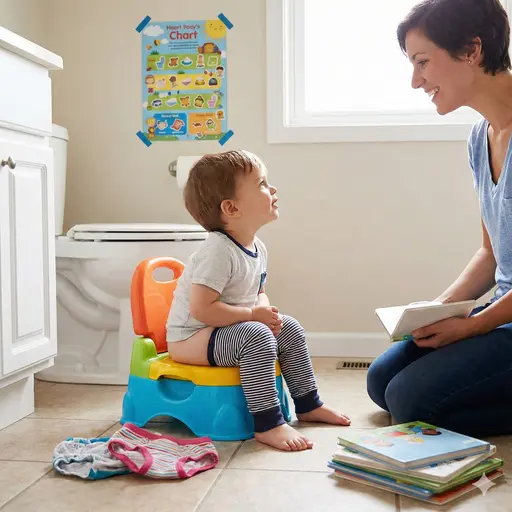
When to start potty training: The Ultimate Guide for Success
One of the most common and pressing questions new parents ask is when to start potty training their growing toddler. It is a significant developmental milestone that marks the transition from babyhood to early childhood independence. While older generations may have prioritized early training, modern pediatric consensus emphasizes a child-oriented approach. Determining when to start potty training is not just about a specific calendar date or a deadline set by a preschool; it is about observing a unique combination of physical, cognitive, and emotional signs. This guide draws upon medical research and expert advice to help you navigate this messy but rewarding journey.
Understanding the Timeline: When to start potty training
There is no single “right age” that applies to every child universally. However, statistics and research provide a general window for when to start potty training. Most children in the United States achieve the necessary physiological and cognitive skills between 18 and 30 months of age.
Historical data shows a significant shift in the average age of initiation over the decades. In the 1950s, most children were trained by 18 months, largely due to the use of cloth diapers and different cultural expectations. Today, with the convenience of disposable diapers and a shift toward “child-led” parenting, the average age has increased significantly. Research suggests that while you can begin earlier, children who start training before 18 months may take longer to become fully independent compared to those who start around age two.
Ideally, the decision on when to start potty training should be determined by your child’s individual readiness rather than pressure from friends, grandparents, or social media. Readiness typically manifests between 24 and 30 months, though individual timelines vary significantly. Recognizing the right time is crucial because starting too early can lead to frustration, while starting too late can sometimes lead to resistance.
Physical Signs That Indicate When to start potty training
Before you can decide to begin, you must assess your child’s physical capabilities. Success requires the complex coordination of muscles, nerves, and bladder control.
Bladder and Bowel Control for When to start potty training
One of the most critical indicators for readiness is the ability to stay dry for longer periods. If you notice your child’s diaper is dry for at least two hours at a time, or if they wake up dry from a nap, it indicates their bladder capacity is increasing and their sphincter muscles are developing. Regularity is also key; having soft, formed bowel movements at predictable times makes the process much smoother. If your child poops at erratic times or suffers from constipation, you may need to address diet and digestion before considering when to start potty training.
Motor Skills Required for When to start potty training
This milestone also depends heavily on gross motor skills. The physical act of using the toilet involves several steps. Start by checking if your child can walk to the bathroom independently. It is also crucial that they can sit stably on a potty chair without support. Finally, are they able to balance themselves safely? Research indicates that sitting stable and walking are foundational skills usually acquired well before the ideal time to start. If a child feels unsteady on the toilet, they will likely feel fearful, which hinders progress.
Mastering Clothing Manipulation
A practical variation of readiness is the ability to handle clothing. Toilet training success relies on the child being able to pull their pants up and down. While they may still need help with buttons, snaps, or zippers, the basic motion of pulling down training pants or elastic-waist trousers is essential. If your toddler struggles significantly with this fine motor skill, it might not be the right time for ditching the diapers. Practice this skill with them during regular diaper changes to prepare them.
Cognitive Signals for When to start potty training
Physical ability is only half the battle. The cognitive aspect is equally important when considering the timeline. Your child needs to understand what is happening inside their body, process that information, and communicate it to you.
Language and Vocabulary for When to start potty training
A child must have a basic vocabulary related to toileting to communicate their needs. This includes understanding and using words like “pee,” “poop,” “potty,” “wet,” “dry,” and “wash hands.” Studies have shown that having a broader vocabulary and the ability to understand instructions are significantly more prevalent in children who have successfully started training. If your child can follow simple, one-or-two-step instructions (e.g., “Pick up the toy and put it in the box” or “Go get the diaper”), they possess the cognitive maturity required for the process.
Awareness of Bodily Functions for When to start potty training
A clear sign of readiness is when a child stops their activity, grunts, turns red, or hides behind furniture to have a bowel movement. This behavior demonstrates that they are aware of the urge to go before or while it is happening. Initially, they may tell you after they have soiled their diaper. Eventually, they will verbally tell you while they are going, and finally, they will tell you before they need to go. This progression is a major green light.
Hiding to Poop: A Key Indicator
Hiding behavior is often a strong signal of maturity. It shows the child understands the privacy of the act and recognizes the physical sensation. Instead of viewing this as a nuisance, parents should view it as a milestone. When you see this, you can gently suggest using the potty next time, reinforcing the connection between the urge and the toilet.
Desire for Independence and Mimicry
A psychological shift often occurs between 18 and 24 months where toddlers want to do things “by myself.” This desire for autonomy is a powerful motivator. If your child expresses a desire to be clean, dislikes wearing a soiled diaper, or wants to wear “big kid” underwear, you have a strong answer regarding timing. Furthermore, if they try to copy you or older siblings in the bathroom, they are showing social readiness.
When to start potty training: Choosing a Method
Once you have identified that your child is ready, choosing the right method is the next step. There are various approaches, and no single method is superior; the best one depends on your family’s lifestyle and your child’s temperament.
The Child-Oriented Approach for When to start potty training
This method, often associated with Dr. Brazelton, suggests you should guide the process based entirely on the child’s cues. It is a gradual, low-pressure process. You begin by introducing the potty chair and letting the child sit on it fully clothed. Then, you encourage them to sit on it without a diaper. Eventually, you suggest they use it. This approach reduces stress and power struggles but may take longer to complete.
The Intensive Method for When to start potty training
Often called “toilet training in a day” or the “boot camp” method (like Azrin and Foxx), this structured behavioral approach is for parents who want to start immediately and finish quickly. It involves continuous supervision, fluid loading to encourage frequent urination, and immediate reinforcement (praise/rewards) for success. This method requires a full day or weekend of absolute dedication and a child who is clearly developmentally ready.
Elimination Communication: An Alternative Path
Some parents choose infant toilet learning or “Elimination Communication,” which begins much earlier, sometimes shortly after birth. This relies on the caregiver reading the infant’s subtle signals and timing rather than the child’s conscious control. While less common in Western society today, it challenges the conventional wisdom of when to start potty training by focusing on conditioning rather than cognitive maturity.
Preparing Your Child Before You Begin
Preparation can begin months before the actual training starts. You don’t have to wait for the exact start date to lay the groundwork.
Setting the Stage for When to start potty training
- Get the Gear: Buy a potty chair or a toilet seat adapter. Let your child help choose it so they feel ownership.
- Role Play: Use dolls or teddy bears to act out using the potty. This makes the concept familiar and less scary.
- Books and Videos: Read age-appropriate books about potty training to normalize the process.
- Visuals: Show them where the poop from the diaper goes (into the toilet) to help them make the connection.
Environmental Factors and When to start potty training
Even if your child is ready, your family circumstances play a huge role in the success of the process. Consistency is vital.
Avoiding Major Life Changes for When to start potty training
Experts advise against choosing a time to initiate training that coincides with stressful events.
- Moving to a new house
- The birth of a sibling
- Transitioning from a crib to a bed
- Major illness or family disruption
- Weaning from a pacifier or bottle
If any of these are happening, it is often better to delay the start by a few weeks or months. Children crave routine, and regression is common during stressful times. Waiting for a calm period increases the likelihood of success.
The Role of Daycare and Caregivers
If your child attends daycare, coordinate with them about your plans. Inconsistency between home and school can confuse a child and prolong the process. Ensure that the caregivers are on board with your chosen method, whether it’s using pull-ups or going straight to underwear. A unified front is essential.
Common Challenges After You Decide to Start
Starting this journey does not guarantee a trouble-free experience. Accidents are inevitable, and patience is your most valuable resource.
Resistance and Refusal During When to start potty training
If you have begun the process but your child refuses to sit on the toilet or hold their bowel movements (stool withholding), it may be a sign they are not emotionally ready or are experiencing a power struggle. Stool withholding can lead to painful constipation, which makes the process scary and creates a negative cycle. In such cases, it is best to pause, put diapers back on, and try again in a few weeks or months.
Handling Accidents and Regression
Accidents will happen. When they do, stay calm and neutral. Avoid punishment or shaming, as this can create anxiety. Simply clean up and remind them to use the potty next time. Regression (going back to accidents after being trained) can happen during stress or illness. Stick to the routine you established at the beginning.
Nighttime Training vs. Daytime Training
It is important to note that achieving dryness at night often happens much later than daytime control. You might focus on daytime dryness first, but your child may still need diapers or pull-ups at night for months or even years. This is normal and physiological; the brain needs to mature enough to wake the child up when the bladder is full. Limiting fluids before bed can help, but patience is the main requirement here.
Technique and Mechanics
While the signs of readiness are similar for all children, there are some practical considerations regarding mechanics.
Sitting vs. Standing
For children who will eventually learn to stand to pee, it is usually recommended to start teaching them to pee sitting down first. This encourages bowel movements as well and reduces the distraction of trying to aim. Once they have mastered the mechanics, they can learn to stand up, often by imitating a role model. Regardless of gender, the core signs of readiness remain the same: interest, communication, and physical ability.
Conclusion on When to start potty training
Determining when to start potty training is a personal decision unique to every child and family. While the average age falls between 18 and 30 months, the most important factor is developmental readiness, not a date on the calendar. By observing your child for physical markers like staying dry, cognitive signs like following instructions, and emotional cues like a desire for independence, you can confidently decide to take the leap. Remember that patience, positivity, and consistency are your best tools. If you start and it doesn’t work, there is no shame in stopping and waiting. Eventually, every healthy child learns this skill. Trust your instincts and your child’s cues to know exactly when to start potty training.
The following post may interest you
Why Does My Baby Scream When Waking Up?
When Should I Move My Baby to Their Own Room?
When Should My Baby Get the Flu Shot?
Sources
Readiness Signs Used to Define the Proper Moment to Start Toilet Training: A Review of the Literature
https://onlinelibrary.wiley.com/doi/abs/10.1002/nau.21211
What’s potty about early toilet training?
https://pmc.ncbi.nlm.nih.gov/articles/PMC1885320/pdf/bmj-334-7604-pv-01166.pdf
Toilet Training: Common Questions and Answers
https://www.aafp.org/pubs/afp/issues/2019/1015/p468.pdf
Development Signs in Healthy Toddlers in Different Stages of Toilet Training: Can They Help Define Readiness and Probability of Success?
https://journals.sagepub.com/doi/pdf/10.1177/2333794X20951086