- Why Is Measles Coming Back? A Comprehensive Analysis of the Resurgence
- Understanding Measles Disease and Its Impact
- The Global Context: Why Is Measles Coming Back Worldwide?
- Why Is Measles Coming Back in North America?
- Root Causes: Analyzing Why Is Measles Coming Back
- Preventing the Crisis: How to Stop Measles Coming Back
- The Future Outlook: Is Measles Coming Back to Stay?
- Frequently Asked Questions
- Scientific Resources
Why Is Measles Coming Back? A Comprehensive Analysis of the Resurgence
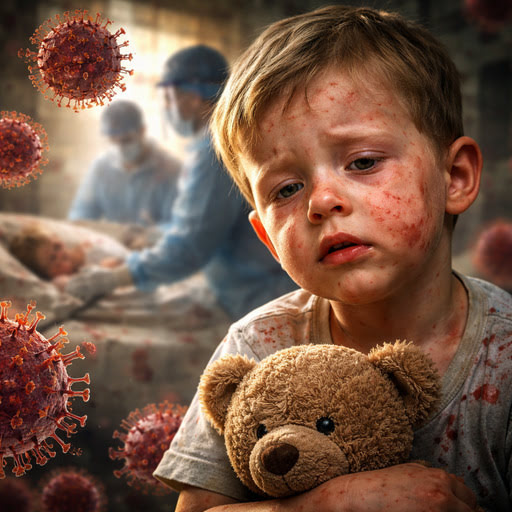
In recent years, public health officials have sounded the alarm on a disturbing trend: a highly contagious and potentially deadly virus, once thought to be under control, is resurging globally. Many people are asking, “why is measles coming back?” The answer is complex, involving a mix of declining vaccination rates, the aftershocks of the COVID-19 pandemic, and spreading misinformation. Measles disease, declared eliminated in the United States in 2000, has returned with a vengeance, with 2025 and 2026 seeing record-breaking case numbers and outbreaks across multiple continents. To understand the gravity of the situation, we must delve deep into the data, the sociology of vaccine hesitancy, and the biological reality of this pathogen to fully comprehend the factors driving the resurgence.
Understanding Measles Disease and Its Impact
To grasp the severity of the question “why is measles coming back?”, one must first understand the nature of the virus itself. Measles is not simply a childhood rite of passage consisting of a fever and a rash; it is a formidable viral enemy. It is one of the most contagious infectious diseases known to science. The virus has a basic reproduction number (R0) of 12 to 18, meaning that a single infected individual in a susceptible population can transmit the virus to 12 to 18 others. If you are not immune and walk into a room where someone with measles has been—even two hours after they have left—you have a 90% chance of becoming infected. This extreme contagiousness is a primary factor in the viral return so rapidly when vaccination rates dip even slightly.
Measles disease manifests initially with symptoms resembling a severe cold or flu: high fever, cough, runny nose, and red, watery eyes. A few days later, tiny white spots known as Koplik spots may appear inside the mouth, followed by the characteristic rash that spreads from the head downwards. However, the danger lies not in the rash, but in the complications. These include pneumonia (the leading cause of death in young children with measles), brain swelling (encephalitis), and deafness. A particularly terrifying, though rare, long-term complication is subacute sclerosing panencephalitis (SSPE), a fatal degenerative brain disease that can occur years after the initial infection. Research suggests the risk of SSPE is higher than previously thought, affecting approximately 1 in 1,367 children infected before the age of five.
Furthermore, the virus possesses a unique ability to cause “immune amnesia,” wiping out the body’s memory of other pathogens. A study from Harvard Medical School found that the virus can eliminate up to 75% of the antibodies protecting against other viruses and bacteria, leaving the victim vulnerable to other infections for months or years. Understanding these biological stakes highlights the urgency of answering why is measles coming back and addressing the root causes.
A Brief History of Control
Before the vaccine was introduced in 1963, major epidemics occurred every 2-3 years, causing an estimated 2.6 million deaths annually worldwide. In the US alone, 3 to 4 million people were infected each year, leading to hundreds of deaths and thousands of hospitalizations. The introduction of the vaccine changed the course of history. By 2000, the US achieved elimination status, a historic public health milestone. However, maintaining elimination requires constant vigilance and high vaccination coverage (herd immunity of roughly 95%). The current crisis indicates that this shield has been pierced, leading to the measles disease resurgence we face today.
The Global Context: Why Is Measles Coming Back Worldwide?
The resurgence is not isolated to one country; it is a global crisis. In 2023 alone, an estimated 10.3 million people were infected globally. By 2025 and 2026, the situation deteriorated further. Why is measles coming back on such a massive scale? The disruption caused by the COVID-19 pandemic played a significant role. During the pandemic, routine immunization programs were interrupted worldwide. In 2023, 500,000 children across the European region alone missed their first dose of the measles vaccine. This created an “immunity gap”—a pool of susceptible children that allows the virus to spread like wildfire.
Reports from the World Health Organization (WHO) indicate that measles coming back is a reality for more than half of the world’s countries in 2024 and beyond. In Europe, cases soared to over 127,000 in 2024. The virus has re-established itself as endemic in six European nations that had previously eliminated it, including the Russian Federation and Tajikistan.
High-Burden Regions
- Africa and the Middle East: Countries struggling with poverty and conflict have been hit hardest. In the Democratic Republic of Congo, over 36,000 suspected cases and 565 deaths were reported by July 2025. Afghanistan, with a healthcare system in collapse, recorded heartbreaking statistics with Doctors Without Borders reporting at least one child dying from measles every day in early 2025.
- North Africa: Morocco faced a severe outbreak with over 40,000 cases and 184 deaths, prompting a nationwide vaccination campaign targeting everyone under 18.
- Asia: Indonesia reported 17 deaths among children in East Java, driving emergency immunization efforts. The Western Pacific region saw a staggering 743% increase in cases between 2022 and 2024.
This global connectivity means that an outbreak in one region is a threat to all, fueling the cycle of why is measles coming back through international travel and migration.
Why Is Measles Coming Back in North America?
While often associated with developing nations, the resurgence has struck North America with surprising force.
The Situation in Mexico and Canada
Mexico has emerged as one of the most severely affected countries in North America in 2025, reporting over 4,200 confirmed cases. A concentrated outbreak in Chihuahua state, bordering Texas, accounted for the vast majority of these infections. The spread was partly attributed to low vaccination coverage in specific communities, including Mennonite populations with historical vaccine hesitancy.
Canada, which achieved elimination status in 1998, is also facing a crisis. In 2025, the country reported over 4,500 confirmed cases, more than the previous 27 years combined. This dramatic spike threatens to strip Canada of its elimination status. The outbreak has had severe consequences, including congenital measles cases in newborns, emphasizing why is measles coming back is a critical issue for maternal and infant health.
Why Is Measles Coming Back in the United States?
The United States has long been considered a success story in measles elimination, having achieved this status in 2000. However, that status is now in jeopardy. Why is measles coming back in a country with widespread access to vaccines? The CDC reported over 2,671 confirmed cases in 2025 and early 2026 across 45 jurisdictions. This is the highest number of cases in decades, surpassing the resurgence seen in 1992. As of January 30, 2026, there were already 588 confirmed cases reported for the new year alone.
The answer to “why is measles coming back?” in the US lies in pockets of under-vaccination. While national coverage may appear high, local communities often have rates far below the 95% threshold required for herd immunity. When the virus is introduced into these communities—often by a traveler returning from abroad—it explodes.
Specific US Outbreaks
- Southwest Outbreak (Texas and New Mexico): A massive outbreak beginning in January 2025 affected Texas, Oklahoma, and New Mexico, resulting in 762 confirmed cases. Tragically, this cluster resulted in the deaths of two unvaccinated school-aged children in Texas and one adult in New Mexico—the first measles deaths in the US since 2015. The outbreak was linked to close-knit communities with low vaccination rates.
- South Carolina: A significant outbreak in the 2025-2026 period centered in Spartanburg County, South Carolina, resulting in nearly 800 cases by January 2026. This became the largest single outbreak since 2000.
- Florida: In early 2024, an outbreak at a Broward County elementary school drew national attention when the State Surgeon General issued guidance that contradicted standard CDC protocols, allowing unvaccinated children who had been exposed to continue attending school. This politicization of public health guidance is a key factor in understanding the environment allowing measles are back.
- Chicago: In March 2024, Chicago reported its first cases since 2019, centered initially in a migrant shelter. Rapid public health response, including mass vaccination, helped contain the spread, demonstrating that swift action can mitigate the impact of measles disease.
In these instances, measles are back because the protective wall of herd immunity has been breached. In recent US outbreaks, over 90% of those infected were unvaccinated or had unknown vaccination status.
Root Causes: Analyzing Why Is Measles Coming Back
The resurgence is driven by a convergence of biological, social, and political factors.
1. The Rise of Vaccine Hesitancy
A critical component of the viral return is the rise of vaccine hesitancy. This phenomenon, fueled by misinformation and mistrust, has led many parents to delay or refuse the MMR (measles, mumps, and rubella) vaccine for their children. The debunked study by Andrew Wakefield in the 1990s, which falsely linked the MMR vaccine to autism, continues to cast a long shadow. Despite extensive scientific evidence proving no link exists, fear persists.
Social media platforms have amplified these fears, creating echo chambers where misinformation thrives. This digital landscape is a major reason for the outbreak recurrence. Furthermore, a general fatigue regarding public health mandates following the COVID-19 pandemic has emboldened the anti-vaccine movement. Political figures and influencers questioning established science have normalized vaccine refusal, directly contributing to the answer of why is measles coming back.
2. The “Immunity Gap” and Pandemic Disruptions
The COVID-19 pandemic caused the largest sustained decline in childhood vaccinations in approximately 30 years. Lockdowns, overwhelmed healthcare systems, and fear of visiting medical facilities led to millions of children missing routine doses. In the 2024-2025 school year, MMR coverage among US kindergartners fell to 92.5%, leaving approximately 286,000 children at risk. In some specific counties and communities, rates have plummeted to as low as 82% or even 50%. This created a ticking time bomb of susceptibility.
3. Global Travel and Migration
With the resumption of global travel, the virus moves easily between borders. Endemic transmission in regions like Africa, the Middle East, and parts of Europe serves as a reservoir. Unvaccinated travelers can contract the virus abroad and bring it back to their home communities. If those communities have low vaccination rates (pockets of susceptibility), an outbreak ensues. This dynamic was evident in the 2024 Chicago outbreak and the spread from Texas into Mexico.
4. Loss of Institutional Trust
Trust in public health institutions has eroded. When guidance is viewed through a political lens rather than a scientific one, adherence to vaccination schedules drops. The controversy in Florida in 2024 exemplifies this, where political ideology clashed with established disease control protocols.
Preventing the Crisis: How to Stop Measles Coming Back
Answering “why is measles coming back?” is only half the battle; we must also determine how to stop it. The solution is undeniably clear: vaccination. The MMR vaccine is safe and highly effective. Two doses provide 97% protection against measles. Reversing the trend requires a concerted effort to increase uptake.
Catch-up Campaigns
Public health agencies are launching “catch-up” campaigns to identify and vaccinate children who missed doses during the pandemic. For example, the UK’s “The Big Catch Up” initiative aims to close the immunity gap. In the US, pediatricians are prioritizing immunization status checks at every visit.
Combatting Misinformation
Healthcare providers must engage respectfully with vaccine-hesitant parents. Research shows that shaming is ineffective. Instead, providers are encouraged to share facts about the risks of measles disease and the safety of vaccines, addressing specific concerns about side effects or ingredients. Addressing the root causes of the resurgence means rebuilding trust in medical science.
Stronger Mandates and Policy
Historically, school entry mandates have been effective. A classic case study from 1970 in Texarkana showed a massive difference in cases between the Texas side of the city (which had low mandates) and the Arkansas side (which had strict mandates and high vaccination rates). The Arkansas side had vastly fewer cases. Reaffirming strong immunization policies and limiting non-medical exemptions is essential to stop the virus.
Travel Precautions
For families traveling internationally with infants, guidelines have been updated. Babies aged 6 to 11 months should receive one dose of the measles vaccine before international travel, as they are too young for the routine first dose but highly vulnerable. This proactive approach helps shield the youngest members of society.
The Future Outlook: Is Measles Coming Back to Stay?
As we look toward the future, the question shifts from “why is measles coming back?” to “is it here to stay?” If current trends in vaccine refusal continue, the US and other nations risk losing their elimination status permanently. Losing this status would mean that measles disease is once again endemic, circulating freely within our borders year-round.
The projected models are grim. Some studies estimate that without a reversal in vaccination trends, millions of cases could occur over the next 25 years. The recurring outbreaks in 2025 and 2026 are warning shots. The virus is at our doorstep, and it is knocking loudly.
However, this future is not set in stone. We have the tools to eliminate this disease again. We know exactly the reasons for the resurgence: gaps in immunity. By closing those gaps, supporting global vaccination efforts, and countering misinformation, we can protect the most vulnerable among us. The resurgence of measles disease is a choice society is making by inaction; it is a choice we can reverse.
In conclusion, the question of why measles is coming back reveals the fragility of our public health achievements. It returns because we let our guard down. This resurgence is further fueled by fear and misinformation, serving as a stark reminder that infectious diseases do not respect borders. To ensure a future free of this preventable tragedy, we must recognize the severity of the situation and act decisively to restore the shield of community immunity.
Frequently Asked Questions
Why is measles coming back in Canada?
Measles is coming back in Canada largely due to a sharp increase in imported cases from international travel, which are then sparking local outbreaks in areas with insufficient vaccination coverage. Despite the country achieving official elimination status in 1998, 2025 saw a shocking spike with over 4,500 confirmed cases, which is more than the total case count of the previous 27 years combined. The virus has begun to spread within vulnerable communities, particularly where hesitancy is high, posing a severe threat to Canada maintaining its elimination status. This resurgence has had tragic consequences, including the death of an infant in Ontario and multiple reports of babies born with congenital measles, highlighting the severe risk to the youngest and most vulnerable. Public health officials warn that without a rapid increase in immunization uptake, the disease could once again become endemic in the country.
Why is measles coming back in the US?
The primary driver for the viral return in the United States is the dangerous decline in childhood vaccination rates, specifically for the MMR vaccine, which has dipped below the critical herd immunity threshold of 95% in many kindergartens. A growing wave of vaccine hesitancy, often fueled by widely circulated misinformation and the increasing politicization of public health mandates, has created distinct clusters of unvaccinated individuals. When the virus is introduced from abroad by travelers, these pockets of low immunity allow the disease to gain a foothold and spread rapidly, rather than being contained quickly. This dynamic has resulted in record-breaking figures, with case numbers in 2025 and early 2026 exceeding 2,600, a level not seen in decades. Health experts emphasize that this isn’t a failure of the vaccine, which remains highly effective, but a failure of vaccine delivery and acceptance in specific communities.
Why is measles coming back in Texas?
The virus has resurged in Texas primarily due to a significant and concerning drop in vaccination rates, particularly within specific counties where non-medical exemptions have risen sharply. A massive outbreak in the Southwest region in 2025 hit Texas especially hard, driven by low immunization levels in close-knit and insular groups, such as some Mennonite communities that have cross-border connections. This lack of community immunity allowed the virus to spread efficiently, overwhelming local health resources and leading to severe outcomes that had not been seen in years. Tragically, this resurgence resulted in the deaths of two unvaccinated school-aged children, marking the first measles deaths in the US since 2015 and underscoring the lethal potential of the disease. State health data reveals that kindergarten vaccination rates have dipped below 95% in about half of all Texas counties, creating a fertile ground for future outbreaks.
Why is measles coming back UK?
In the UK, the virus is making a comeback because the uptake of the MMR vaccine has fallen to its lowest level in a decade, leaving a significant portion of the population exposed. In 2024 alone, England recorded 2,911 laboratory-confirmed cases, which is the highest annual figure the country has seen since 2012. Health officials have issued urgent warnings that more than 1 in 10 eligible children under the age of five are not fully protected, creating a dangerous “immunity gap.” This lack of protection allows the highly contagious virus to spread easily in high-contact environments like nurseries and schools, fueling the current wave of infections. The government has responded with “catch-up” campaigns, but the slow decline in trust and access over the years has made reversing the trend a significant challenge.
Is measles coming back 2026?
Yes, measles is coming back with continued momentum in 2026, as data indicates that the large-scale outbreaks beginning in late 2025 have not only continued but expanded into the new year. By the end of January 2026, the CDC had already reported 588 confirmed cases, signaling that the viral spread is far from under control. Global health organizations have issued stark predictions that more than half of the world’s countries will face significant outbreaks this year due to ongoing gaps in immunity. This trend suggests that 2026 will likely be another record-breaking year for the disease unless immediate and coordinated public health interventions are implemented globally. The persistence of these outbreaks demonstrates that the resurgence is not a temporary blip but a sustained public health crisis.
Is measles coming back around?
Yes, measles is coming back around globally, affecting even those nations that had previously succeeded in eliminating the virus from their populations. The virus is actively resurging across Europe, the Americas, and Asia, driven by a combination of pandemic-era disruptions to immunization programs and a rising tide of vaccine refusal. This cyclical return is a direct mathematical result of vaccination rates falling below the necessary 95% threshold required to keep such a highly contagious disease at bay. Consequently, the virus is re-establishing endemic transmission chains in regions where it had once been eradicated, threatening decades of public health progress. Experts warn that as long as these immunity gaps persist, the disease will continue to circulate and cause periodic, severe epidemics.
What is the cause of the measles recurrence?
The fundamental cause of the recurrence is a critical decline in population immunity, precipitated by millions of missed vaccinations during the COVID-19 pandemic and exacerbated by increasing vaccine hesitancy. Widespread misinformation linking vaccines to unrelated health issues has eroded trust, leading fewer parents to vaccinate their children and creating large pools of susceptible individuals. Additionally, the resumption of global travel acts as a conduit, allowing the virus to move effortlessly from endemic regions to areas with these newly formed immunity gaps. Once introduced into a community with low vaccination coverage, the virus’s extreme contagiousness allows it to spark explosive outbreaks in previously protected areas. This “perfect storm” of biological susceptibility and social behavior is the primary engine driving the global return of the disease.
The following post may interest you
Can You Get Measles If You’re Vaccinated? Facts & Risks
What Are the Side Effects of Vaccines in Babies? | Learn More
What Vaccines Does My Baby Need? Essential Guide
Are COVID-19 Vaccines Safe for Pregnant People?
Disclaimer: The content provided on BabyKidsHealth.com is for informational purposes only and is not intended as a substitute for professional medical advice, diagnosis, or treatment. Always seek the advice of your physician or other qualified health provider with any questions you may have regarding a medical condition.
Sources
A Review of the Resurgence of Measles, a Vaccine-Preventable Disease, as Current Concerns Contrast with Past Hopes for Measles Elimination
https://pmc.ncbi.nlm.nih.gov/articles/PMC10946219
Immunization
https://data.unicef.org/topic/child-health/immunization
Measles
https://www.mayoclinic.org/diseases-conditions/measles/symptoms-causes/syc-20374857
Measles
https://www.who.int/news-room/fact-sheets/detail/measles
Measles Cases and Outbreaks