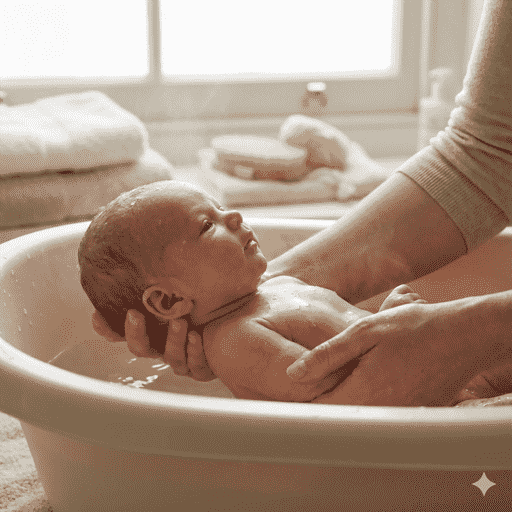
How often should I bathe my baby: The Ultimate Guide to Infant Hygiene
Bringing a newborn home is a momentous occasion filled with joy, sleepless nights, and a thousand questions. Among the most common queries pediatricians hear is: “How often should I bathe my baby?” In the past, daily bathing was the norm, often seen as a necessary part of the evening routine. However, modern research and dermatological guidelines suggest that more isn’t always better. A newborn’s skin is delicate, evolving, and prone to dryness. Understanding the balance between hygiene and skin barrier protection is crucial for your child’s health.
This comprehensive guide will explore the question of “How often should I bathe my baby” in depth, utilizing recent medical studies, expert advice, and practical safety tips.
Understanding the Basics of Bathing Frequency
The short answer to “How often should I bathe my baby” might surprise many new parents: probably less often than you think. According to pediatric experts, for most of the first year of life, two or three times a week is generally sufficient.
While many parents enjoy the bath as a bonding ritual, the biological necessity of scrubbing an infant daily is low. Newborns do not get dirty in the same way toddlers do; they aren’t crawling in the mud or eating messy foods yet. Bathing your baby too frequently can strip their skin of natural oils, leading to dryness, irritation, and potentially worsening conditions like eczema.
When you ask yourself, “How often should I bathe my baby,” consider your baby’s activity level and skin condition. If you are diligent about cleaning the diaper area during changes and wiping up spit-up after feedings, the rest of the body stays relatively clean.
The First Few Months: Newborn Care (0-2 Months)
The newborn phase requires a gentle touch. During these first two months, the answer to “How often should I bathe my baby” is heavily influenced by the status of the umbilical cord stump.
Umbilical Cord Care and Sponge Baths
Until the umbilical cord stump falls off (usually within 1-2 weeks), full submersion baths are not recommended. Submerging the stump can keep it moist and prolong healing, increasing the risk of infection. During this period, the best approach is a sponge bath.
To give a sponge bath:
- Prepare a warm room and a flat surface with a towel.
- Have a bowl of warm water and a washcloth ready.
- Keep the baby wrapped in a towel, exposing only one part of the body at a time to prevent chilling.
- Gently wipe the face, neck, and body, paying special attention to skin folds.
Once the cord falls off, you can transition to tub bathing, but the frequency remains the same. When parents of newborns ask, “How often should I bathe my baby,” the recommendation remains 2-3 times per week.
Top and Tail: An Alternative to Full Baths
On days when you don’t do a full bath, a “top and tail” clean is an excellent method to maintain hygiene without drying out the skin. This involves washing just the face, neck, and hands (the top) and the bottom/genital area (the tail). This method ensures that the areas most likely to harbor bacteria or milk residue are clean, effectively answering the daily hygiene concern without requiring a full answer to “How often should I bathe my baby” involving a tub.
Bathing Routine as They Grow (2-12 Months)
As your baby becomes an infant and starts to mobilize, the dynamic changes. They may start eating solids (and wearing some of them), crawling on the floor, and generally getting messier.
Even at this stage, when you consider “How often should I bathe my baby,” daily bathing is still not a strict medical requirement. However, many parents increase frequency to handle the mess of solid foods. If you choose to bathe daily for routine or cleanliness, consider skipping soap on some days. Using plain water can rinse away sweat and food without stripping the skin’s lipid barrier.
Experts suggest that daily spot-cleaning of the face, hands, and diaper area is essential at this stage. However, you may need to bathe them more often if they have a diaper blowout or cover themselves in sweet potato puree. Essentially, the answer to “How often should I bathe my baby” begins to shift from “biological need” to “situational necessity.”
Skin Conditions: Eczema and Dry Skin
If your baby has eczema or particularly dry skin, the question of “How often should I bathe my baby” becomes a medical consideration.
- Too frequent bathing with harsh soaps can exacerbate eczema.
- Too infrequent bathing can allow bacteria and irritants to sit on the skin, triggering flares.
For eczema-prone babies, a consistent routine with lukewarm water is key. Limit bath time to 5-10 minutes. Immediately after the bath, while the skin is still damp, apply a thick, fragrance-free moisturizer (emollient). This “soak and seal” method is often recommended by dermatologists. In this context, “How often should I bathe my baby” might be daily, provided it is a therapeutic bath followed immediately by moisturizing, rather than a cleansing bath with soap.
Water Temperature and Safety Guidelines
Regardless of the frequency, safety is paramount.
- Never leave your baby alone in the bath, not even for a second. Babies can drown in very little water quickly and silently.
- Water Temperature: The water should be warm, not hot. Aim for around 37°C to 38°C (approx. 100°F). Always check the temperature with your wrist or elbow.
- Room Temperature: Ensure the room is warm to prevent the baby from getting chilled once they are wet.
Products vs. Plain Water
A systematic review of skin care for healthy babies suggests that while there is strong evidence that olive oil and sunflower oil may impede skin barrier function development, commercial baby washes and wipes (when formulated correctly) are generally safe.
However, for the first month, plain water is often best. If you do use products, choose pH-neutral, fragrance-free cleansers. Avoid bubble baths or strong detergents which are linked to higher skin pH and barrier breakdown. When contemplating “How often should I bathe my baby,” also contemplate “what am I bathing them with?”
Signs You Are Bathing Too Often (or Not Enough)
Your baby’s skin will tell you if your routine is working.
- Signs of Over-bathing: Dryness, flaking, redness, or irritation in skin folds. If you see this, reduce frequency or switch to plain water.
- Signs of Under-bathing: Odor, redness, or buildup of dirt/lint in the neck, diaper area, or creases. This indicates a need for better hygiene, perhaps a thorough sponge bath or “top and tail” session.
Using these signs helps you personalize the answer to “How often should I bathe my baby” for your specific child.
The Role of Routine
Many parents use bath time as a sleep cue. A warm bath can be soothing and signal that the day is ending. If you rely on this routine, but are worried about drying the skin, remember that you don’t need to use soap every time. A gentle soak in warm water satisfies the routine aspect without the harshness of scrubbing.
Summary of Recommendations
| Age Group | Recommended Frequency | Method |
|---|---|---|
| Newborn (Cord attached) | 1-2 times/week | Sponge Bath |
| Newborn (Cord off) | 2-3 times/week | Tub Bath or Top & Tail |
| Infant (Crawling/Solids) | 2-3 times/week (or as needed) | Tub Bath |
Conclusion
Ultimately, the answer to “How often should I bathe my baby” is flexible. While 2-3 times a week is the standard medical recommendation for maintaining skin health, your baby’s individual needs, activity level, and skin type play a major role. Whether you choose a nightly soothing soak or a bi-weekly scrub, the most important factors are using gentle products, moisturizing regularly, and ensuring absolute safety near water.
Trust your instincts and your baby’s skin condition. If the skin is soft and healthy, your current answer to “How often should I bathe my baby” is likely the right one.
The following post may interest you
How Often Should I Feed My Newborn?
Skin-to-Skin Benefits for Newborns | Bonding & Health
How to Treat Constipation in Babies?
Source
Frequency of newborn bathing in the first 9 weeks of life and related factors
https://pmc.ncbi.nlm.nih.gov/articles/PMC12148308
Baths, Scrubs and Cuddles: How to Bathe Young Infants According to Simon de Vallambert
Skin care for healthy babies at term: a systematic review of the evidence
https://eprints.whiterose.ac.uk/id/eprint/122300/1/1-s2.0-S0266613817303546-main.pdf
evidence based midwifery
https://rcm.org.uk/wp-content/uploads/2024/06/evidence-based-midwifery-december-2009.pdf#page=4