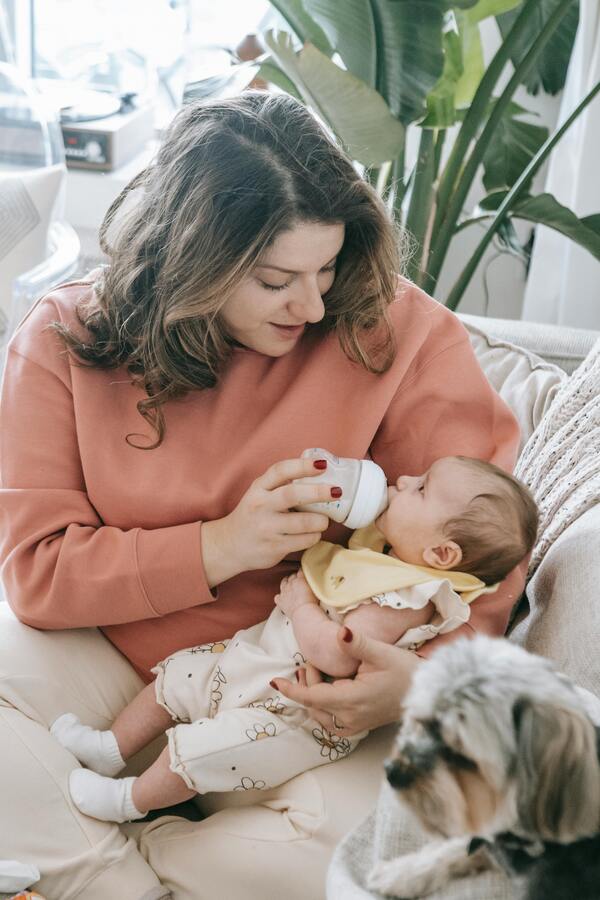
How Often to Feed a Newborn: Key Facts at a Glance
Breastfed newborns typically nurse every 2 to 3 hours, about 8 to 12 feedings per day. Formula-fed newborns usually feed every 3 to 4 hours, about 6 to 8 feedings per day, because formula takes longer to digest.
- Early hunger cues: Stirring, mouth movements, turning toward the breast or bottle, and sucking on hands.
- Late hunger cues: Crying, turning red, or agitated movements. Try to feed before this stage.
- Growth spurts: Babies may want to feed more often around 2 to 3 weeks, 6 weeks, and 3 months of age.
- Signs your baby is getting enough: At least 6 wet diapers daily after the first few days, steady weight gain, and seeming satisfied after feeding.
- Special cases: Premature or medically complex babies may need a more structured feeding schedule under medical guidance.
- How Often Should I Feed My Newborn?
- Feeding Frequency for Breastfed Newborns
- Feeding Frequency for Formula-Fed Newborns
- Factors Affecting Feeding Frequency
- Recognizing Hunger Cues
- Ensuring Your Baby is Getting Enough Milk
- Conclusion
Ultimate Guide: How Often Should I Feed My Newborn?
Feeding your newborn is one of the most essential aspects of early parenting. Therefore, understanding the right feeding frequency ensures your baby gets the nutrition they need for healthy growth and development.
Feeding Frequency for Breastfed Newborns
Newborns typically nurse every 2 to 3 hours, amounting to about 8 to 12 feedings per day. Furthermore, frequent breastfeeding helps establish milk supply and provides the necessary nutrients for your baby. Look for hunger cues such as rooting, sucking on hands, or increased alertness.
Feeding Frequency for Formula-Fed Newborns
Formula-fed newborns usually feed every 3 to 4 hours, resulting in approximately 6 to 8 feedings daily. Moreover, unlike breastfed babies, formula-fed infants may go slightly longer between meals because formula takes longer to digest.
Factors Affecting Feeding Frequency
Several factors can influence how often a newborn needs to eat:
- Growth Spurts: Babies may demand more frequent feedings during growth spurts, which commonly occur around 2 to 3 weeks, 6 weeks, and 3 months of age.
- Individual Needs: Some babies naturally require more or fewer feedings based on their metabolism and digestion. As a result, parents should observe their baby’s unique eating patterns.
- Health and Prematurity: Premature or medically complex babies may need more structured feeding schedules under medical guidance. Consequently, it is essential to follow professional recommendations.
Recognizing Hunger Cues
Babies communicate hunger in different ways. Identifying these cues early can make feeding easier and prevent fussiness. For instance:
- Early Hunger Cues: Stirring, mouth movements, or turning toward the breast/bottle.
- Mid Hunger Cues: Increased physical activity, sucking on hands, or making sucking noises. Additionally, some babies may become more alert.
- Late Hunger Cues: Crying, turning red, or agitated movements. Ideally, try to feed before this stage.
Ensuring Your Baby is Getting Enough Milk
A well-fed baby will exhibit the following signs:
- Frequent Wet Diapers: Expect at least 6 wet diapers daily after the first few days of life. Similarly, regular bowel movements indicate proper feeding.
- Steady Weight Gain: Pediatricians track weight gain to ensure proper feeding. Therefore, routine check-ups are important.
- Contentment Post-Feeding: Babies who have had enough to eat usually seem satisfied and sleep well. In contrast, a hungry baby may remain fussy even after feeding.
Conclusion
Feeding your newborn requires attentiveness and responsiveness to their needs. Ultimately, understanding how often should I feed my newborn helps ensure they are well-nourished and thriving. Consequently, consult your pediatrician for personalized guidance tailored to your baby’s development.
The following post may interest you
What Is the Normal Temperature for a Baby?
Disclaimer: The content provided on BabyKidsHealth.com is for informational purposes only and is not intended as a substitute for professional medical advice, diagnosis, or treatment. Always seek the advice of your physician or other qualified health provider with any questions you may have regarding a medical condition.
Source
How Often and How Much Should Your Baby Eat? (American Academy of Pediatrics, HealthyChildren.org)
How Much and How Often to Breastfeed (Centers for Disease Control and Prevention, CDC)
https://www.cdc.gov/infant-toddler-nutrition/breastfeeding/how-much-and-how-often.html
How to feed small for gestational age newborns
https://link.springer.com/article/10.1186/1824-7288-39-28
Feeding the newborn baby
Infant feeding in the first year
Infant Feeding Practices of Young Mothers
Association of Breastfeeding With Maternal Control of Infant Feeding at Age 1 Year