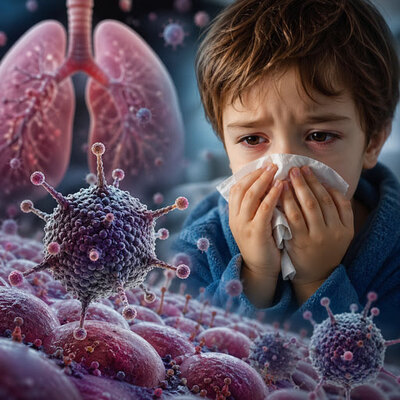
- A Comprehensive Medical Guide to Adenovirus for Parents
- The Scientific Biology and Structure of Adenovirus
- Recognizing Adenovirus Clinical Manifestations
- The Spectrum of Adenovirus Diseases
- Diagnosing and Testing
- When to See a Doctor for Adenovirus
- Treatment Options for Adenovirus
- Preventing the Spread
- Frequently Asked Questions
- Scientific Resources
A Comprehensive Medical Guide to Adenovirus for Parents
When raising children, parents encounter a wide variety of pathogens, viruses, and bacterial infections that can cause worry and distress. Among the most frequent yet frequently misunderstood culprits is Adenovirus. This highly contagious and remarkably resilient pathogen is responsible for a vast array of childhood illnesses, ranging from the common cold to much more severe respiratory and gastrointestinal complications. For parents navigating the complexities of pediatric health, understanding the exact nature, transmission routes, and clinical manifestations of Adenovirus is absolutely essential. Knowledge is the first line of defense when it comes to safeguarding the health and well-being of your family. In this exhaustive guide, we will delve deeply into the science, the symptoms, the diagnostic protocols, and the most effective treatment strategies to help you manage this pervasive viral threat.
The Scientific Biology and Structure of Adenovirus
To truly comprehend how this virus affects the human body, we must first look at its complex microscopic structure. Adenovirus belongs to the Adenoviridae family, a group of non-enveloped, double-stranded DNA viruses. Unlike many other common respiratory viruses, such as influenza or coronaviruses, it lacks a protective lipid envelope. This absence of an outer lipid layer paradoxically makes the virus incredibly tough and highly resistant to many common household disinfectants, including standard alcohol-based hand sanitizers. The virus particle is relatively large, boasting a molecular weight of approximately 150 Megadaltons and a diameter of about 950 Angstroms.
Its architectural design is a marvel of microscopic geometry, featuring an icosahedral capsid composed of 252 capsomeres. This protein shell is primarily constructed from 240 hexon proteins, which form the robust facets of the virus. At each of the twelve vertices of this icosahedron lies a penton complex, consisting of a pentameric penton base and an elongated, protruding fiber protein. These protruding fiber proteins act like microscopic grappling hooks, allowing the virus to expertly latch onto human cells. Scientists have identified seven distinct species (labeled A through G) and over 60 different human serotypes, each with a propensity to target different organ systems within the body.
How Adenovirus Interacts with Human Cells
The invasion of a human cell by Adenovirus is a highly orchestrated biochemical event. The elongated fiber proteins on the surface of the virus seek out specific receptors on the host cell. The most well-documented of these is the Coxsackie and Adenovirus Receptor (CAR), which is predominantly found on polarized epithelial cells lining the respiratory and intestinal tracts. However, some strains, particularly those belonging to species B, utilize the CD46 receptor, a widely distributed protein involved in regulating the body’s complement immune system.
Once the virus firmly attaches to these primary receptors, a secondary interaction occurs between the penton base of the virus and integrin receptors on the host cell surface. This secondary binding triggers a process called integrin-mediated endocytosis, effectively tricking the host cell into swallowing the virus whole. Once inside the endosome—a sort of cellular sorting station—the acidic environment and specialized viral proteins, particularly protein VI, work together to disrupt the endosomal membrane. The partially disassembled viral core then travels along the cell’s microtubule network, propelled by motor proteins like dynein, directly to the nucleus. Here, the viral DNA hijacks the host’s genetic machinery to produce thousands of new viral particles, ultimately destroying the host cell and spreading the infection further.
Understanding adenoviruses and Transmission Pathways
The transmission dynamics of adenoviruses are remarkably efficient, which explains why they are so prevalent in community settings, particularly among young children. Because these viruses can survive for extended periods—sometimes up to 30 days—on environmental surfaces, they are notoriously difficult to eradicate from daycares, schools, and busy households. Transmission primarily occurs through several distinct routes. The most common is the respiratory route, where the virus is expelled into the air via microscopic aerosol droplets when an infected individual coughs or sneezes. Close personal contact, such as hugging, kissing, or shaking hands, heavily facilitates the spread of adenovirus infections. Furthermore, the fecal-oral route plays a massive role in transmission, particularly among infants and toddlers who are not yet potty-trained. Viral particles shed in the stool can contaminate hands, changing tables, and toys. If a child touches a contaminated object—known scientifically as a fomite—and subsequently touches their mouth, nose, or eyes, the infection cycle begins anew. Additionally, although less common, transmission can occur through contaminated water sources, such as inadequately chlorinated swimming pools, leading to outbreaks of ocular and gastrointestinal illnesses.
Recognizing Adenovirus Clinical Manifestations
Unlike seasonal viruses that peak strictly during the winter months, Adenovirus infections can strike at any time of the year. The incubation period—the time between exposure to the virus and the onset of symptoms—typically ranges from 2 to 14 days. Because there are dozens of different serotypes, the clinical presentation can vary drastically from one patient to the next. Some individuals may remain entirely asymptomatic, acting as silent carriers of the virus, while others may experience severe, debilitating illness.
The most frequent clinical presentation mimics the common cold or influenza. Patients often report sudden onset of fever, severe sore throat, rhinitis (runny or congested nose), and a persistent cough. Parents must understand that while these symptoms are generally mild and self-limiting in healthy individuals, they can cause significant distress and require careful monitoring. In pediatric populations, the virus frequently targets the upper and lower respiratory tracts, the gastrointestinal system, and the delicate conjunctival tissues of the eyes.
Evaluating the Progression of Adenovirus Symptoms
When a child falls ill, identifying the exact root cause can be challenging for parents. The hallmark of an Adenovirus infection is its ability to simultaneously attack multiple body systems. It is not uncommon for a child to present with a severe sore throat, immediately followed by gastrointestinal distress and inflamed eyes. This multi-system involvement is a strong clinical indicator of this specific viral family.
Dealing with long fever and pink eye
One of the most classic and recognizable presentations of this infection is the combination of prolonged high temperatures and severe ocular inflammation. Parents frequently find themselves dealing with long fever and pink eye simultaneously. This specific syndrome, clinically known as pharyngoconjunctival fever, is predominantly caused by serotypes 3, 4, and 7. The fever associated with this condition can stubbornly persist for five to seven days, causing immense anxiety for caregivers. The accompanying conjunctivitis is usually bilateral, causing the whites of the eyes to become alarmingly red, itchy, and irritated, accompanied by an excessive, watery discharge. Unlike bacterial pink eye, which typically produces a thick, yellow-green pus, the viral form produces a clear, watery exudate. Outbreaks of this specific syndrome are heavily associated with summer camps and improperly chlorinated community swimming pools.
Recognizing adenovirus symptoms baby and Infant Care
When dealing with infants, particularly those under the age of three months, the stakes are significantly higher. Recognizing adenovirus symptoms baby presentations requires acute parental vigilance. Because an infant’s immune system is naive and still rapidly developing, they lack the robust defenses necessary to quickly neutralize the virus. In neonates and young babies, what begins as a mild sniffle can rapidly escalate into severe respiratory distress or dangerous dehydration.
Symptoms in this vulnerable age group often include extreme fussiness, refusal to breastfeed or take a bottle, lethargy, and a distinctive, harsh cough. Gastrointestinal involvement is also highly prevalent. Subgroup F serotypes, specifically types 40 and 41, are notorious for causing acute gastroenteritis in infants. This manifests as sudden, explosive watery diarrhea, persistent vomiting, and severe abdominal cramping. The most critical danger for infants suffering from gastrointestinal involvement is rapid dehydration. Parents must meticulously monitor the baby’s diaper output; a noticeable decrease in wet diapers, an absence of tears when crying, and a sunken soft spot (fontanelle) on the top of the head are severe red flags that demand immediate emergency medical intervention.
Evaluating Adenovirus symptoms in child and Toddlers
As children grow into the toddler and preschool years, their exposure to pathogens drastically increases due to shared toys and close proximity to peers in educational settings. Adenovirus symptoms in child presentations often involve the respiratory tract. Toddlers frequently develop croup, characterized by a frightening, seal-like barking cough and stridor (a high-pitched whistling sound when inhaling).
Acute bronchitis, often referred to as a “chest cold,” is another frequent manifestation. The child may suffer from a deep, rattling cough that persists for weeks after the initial fever has subsided. While the primary infection is viral, parents must remain alert for signs of bacterial superinfection, such as a sudden secondary spike in fever or the production of thick, bloody mucus, which may require antibiotic therapy. Furthermore, mesenteric adenitis—an inflammation of the lymph nodes in the abdomen—can occur, mimicking the exact symptoms of acute appendicitis and causing severe, localized stomach pain.
The Spectrum of Adenovirus Diseases
The sheer diversity of the viral family means that the resulting clinical syndromes are incredibly varied. Healthcare professionals categorize these various manifestations under the broad umbrella of adenovirus diseases. While respiratory and gastrointestinal tract infections account for the vast majority of cases, the virus possesses the capability to invade and damage almost any organ system in the human body, depending on the specific strain and the immunological status of the host.
Respiratory and Gastrointestinal Adenovirus Infections
In the realm of respiratory illnesses, Adenovirus is a formidable opponent. It is a leading cause of childhood pneumonia, a severe infection that inflames the air sacs in one or both lungs. Serotypes 3, 7, 14, 21, and the recently emergent type 55 have been heavily implicated in severe, complicated pulmonary presentations. Viral pneumonia caused by these specific strains can cause rapid deterioration, leading to necrotizing bronchitis, massive inflammatory cell infiltration in the lungs, and life-threatening respiratory failure. On the gastrointestinal front, the virus is a dominant force in pediatric acute gastroenteritis, rivaling rotavirus and norovirus in its prevalence. Intestinal infections disrupt the delicate lining of the gut, preventing the proper absorption of fluids and nutrients. Endoscopic studies have shown that the virus can persistently hide within the intestinal lymphocytes, leading to prolonged viral shedding in the stool for weeks or even months after the acute symptoms have completely resolved. This chronic shedding is a major driver of continuous outbreaks in childcare centers.
Severe Complications in Organ Systems
Beyond the lungs and the gut, Adenovirus can wreak havoc on the genitourinary system. It is a well-documented cause of acute hemorrhagic cystitis, primarily affecting young boys. This alarming condition causes sudden, painful urination accompanied by gross hematuria (visible blood in the urine). While the sight of blood in the toilet bowl is terrifying for parents, viral hemorrhagic cystitis is typically self-limiting and resolves without permanent kidney damage within a few weeks. In extremely rare but devastating cases, the virus can breach the blood-brain barrier, leading to severe neurological complications such as encephalitis and meningitis. Furthermore, systemic spread can result in myocarditis (inflammation of the heart muscle) and hepatitis (inflammation of the liver). In infants, viral infection has also been tentatively linked to intussusception, a critical medical emergency where a segment of the intestine telescopes inside another, causing a life-threatening bowel obstruction.
High-Risk Groups for Adenovirus Complications
While a healthy immune system can typically vanquish the virus within a fortnight, specific populations face a drastically increased risk of severe, disseminated, and potentially fatal disease. Immunocompromised individuals represent the most highly vulnerable demographic. This includes pediatric patients undergoing intensive chemotherapy for malignancies, children born with severe combined immunodeficiency (SCID), and individuals living with advanced HIV/AIDS.
However, the absolute highest risk category comprises patients who have recently undergone allogeneic hematopoietic stem cell transplants or solid organ transplants. In these patients, the immunosuppressive drugs required to prevent organ rejection completely paralyze the body’s natural defenses. In the absence of a functional immune system, a simple Adenovirus infection can disseminate rapidly through the bloodstream, attacking the liver, lungs, kidneys, and brain simultaneously. The mortality rate for disseminated systemic infection in stem cell transplant recipients was historically exceptionally high before the advent of targeted antiviral therapies.
Diagnosing and Testing
Because the clinical symptoms of viral upper respiratory tract infections heavily overlap with those caused by influenza, respiratory syncytial virus (RSV), and rhinoviruses, definitive diagnosis relies entirely on specific laboratory testing. However, in routine clinical practice for otherwise healthy children, physicians rarely order extensive viral panels because the exact identification of the virus does not typically alter the supportive treatment plan.
When definitive diagnosis is clinically necessary—such as in hospitalized patients, during severe community outbreaks, or for immunocompromised individuals—healthcare providers utilize several advanced testing modalities. The most common sample collection methods involve obtaining nasopharyngeal swabs, throat swabs, or stool samples. Historically, viral culture was considered the gold standard; however, this method is notoriously slow, often taking weeks to yield a result. Direct Fluorescent Assay (DFA) offered a faster alternative but suffered from lower sensitivity. Today, Polymerase Chain Reaction (PCR) testing has revolutionized diagnostic medicine. PCR tests can rapidly and accurately detect the specific viral DNA within hours, allowing clinicians to instantly identify the exact serotype and monitor the quantitative viral load in the patient’s bloodstream.
When to See a Doctor for Adenovirus
Knowing exactly when to transition from home observation to professional medical evaluation is crucial for parents. While most cases run their course benignly, vigilance is required. You must contact your pediatrician immediately if your child develops a fever exceeding 104°F (40°C), or if a high fever persists for more than five consecutive days without breaking. Respiratory distress is a critical medical emergency. If you observe your child breathing rapidly, flaring their nostrils, grunting with each exhalation, or if you notice the skin retracting tightly around their ribs and collarbone during breathing, you must seek urgent emergency care. Furthermore, signs of severe dehydration—such as absolute refusal to drink fluids, lethargy, unresponsiveness, extreme irritability, and a lack of urination for more than six to eight hours—require immediate intravenous fluid resuscitation in a hospital setting. Finally, if conjunctivitis is accompanied by severe eye pain, changes in visual acuity, or extreme sensitivity to light, prompt ophthalmological evaluation is absolutely necessary to prevent permanent corneal scarring.
Treatment Options for Adenovirus
When a child is officially diagnosed with this virus, parents often anxiously ask for a prescription to quickly cure the illness. It is vital to understand a fundamental principle of microbiology: antibiotics are completely useless against Adenovirus and all other viral pathogens. Prescribing antibiotics for a purely viral infection not only fails to help the child but also dangerously contributes to the global crisis of antibiotic resistance.
Currently, there are no specific, FDA-approved antiviral medications designed exclusively to cure adenoviral infections in the general public. For the vast majority of patients, the immune system is the only true cure. Treatment protocols, therefore, focus entirely on symptom management and supportive care to keep the child as comfortable and physiologically stable as possible while their body wages war against the invader.
Managing Adenovirus at Home
Effective home management requires patience, careful observation, and dedicated supportive care. Hydration is the single most important aspect of home therapy. Fever, vomiting, and diarrhea drastically deplete the body’s water reserves. Parents should offer frequent, small sips of oral rehydration solutions containing a precise balance of electrolytes, salts, and sugars. Breastmilk or standard infant formula should be continued for babies. Avoid offering sugary sports drinks, sodas, or undiluted fruit juices, as the high osmotic sugar load can severely worsen viral diarrhea.
To manage high fevers and alleviate the discomfort of a severe sore throat, over-the-counter antipyretics and analgesics such as acetaminophen (paracetamol) or ibuprofen can be safely administered according to the child’s exact weight and age. Under no circumstances should aspirin ever be given to children or teenagers suffering from a viral illness, as it carries a severe risk of triggering Reye’s syndrome, a rare but frequently fatal condition that destroys the liver and brain. To ease severe nasal congestion, parents can utilize a cool-mist humidifier in the child’s bedroom and apply sterile saline nasal drops followed by gentle suctioning with a bulb syringe, particularly before feeding and sleeping times.
Advanced Medical Treatments for Severe Cases
In scenarios where the virus causes severe, life-threatening complications, particularly in hospitalized immunocompromised patients, aggressive medical intervention is required. Patients suffering from severe viral pneumonia may require supplemental oxygen therapy via nasal cannula or masks. In cases of acute respiratory failure, mechanical ventilation and intubation may be temporarily necessary to sustain life.
For the most vulnerable immunocompromised patients, infectious disease specialists may deploy the antiviral medication Cidofovir off-label. Cidofovir is a potent nucleotide analog that works by selectively inhibiting the viral DNA polymerase, effectively halting the virus’s ability to replicate its genetic material. While Cidofovir has shown remarkable success in lowering mortality rates in stem cell transplant patients, its use is heavily restricted due to its severe potential for causing permanent nephrotoxicity (kidney damage). Experimental oral lipid-ester derivatives of Cidofovir, like Brincidofovir, are currently being extensively researched to provide safer, less toxic antiviral options for the future. Additionally, intravenous immunoglobulin (IVIG) therapy is sometimes utilized to provide a temporary, passive boost to the patient’s failing immune system.
Preventing the Spread
Because there is currently no publicly available vaccine for Adenovirus, rigorous prevention and strict hygiene protocols are the only effective shields against community outbreaks. Interestingly, a highly effective live, oral vaccine against serotypes 4 and 7 does exist, but its use is strictly restricted to military personnel. Historically, military training camps suffered from massive, debilitating outbreaks of acute respiratory disease caused by these specific strains. The reintroduction of this vaccine for US military recruits in 2011 resulted in a dramatic 100-fold decline in disease burden. Unfortunately, safety and efficacy trials have not been conducted for the general civilian pediatric population, meaning parents must rely entirely on environmental and behavioral interventions.
Hygiene and Adenovirus Control
The cornerstone of preventing the spread of adenovirus infections is meticulous, obsessive hand hygiene. Because the virus is shed in massive quantities in respiratory secretions and feces, hands are the primary vector for transmission. Children and adults must wash their hands rigorously with warm water and soap for a minimum of 20 seconds, especially after using the restroom, after changing diapers, before preparing food, and immediately upon returning home from public spaces. Because the virus lacks a lipid envelope, standard alcohol-based hand sanitizers are significantly less effective at neutralizing it compared to mechanical friction and soap.
Environmental decontamination is equally critical. The virus’s ability to survive on hard surfaces for weeks makes shared environments hazardous. Parents and childcare workers must regularly disinfect high-touch surfaces, including doorknobs, countertops, and plastic toys. To effectively destroy the virus, utilize a diluted household bleach solution. A standard effective mixture involves mixing 1 part household bleach with 49 parts water (e.g., 10 ml of bleach to 490 ml of water). Apply this solution to surfaces, allow it to sit for 15 to 30 minutes, and then thoroughly rinse with clean water to prevent chemical burns or ingestion. Furthermore, to prevent ocular outbreaks, families should avoid swimming in poorly maintained community pools and ensure that children never share towels, pillows, or eye drops. Sick children must be strictly kept home from school and daycare until their fever has fully resolved and their symptoms have significantly improved to break the chain of community transmission.
Frequently Asked Questions
What is adenovirus?
Adenovirus is a complex, non-enveloped, double-stranded DNA virus belonging to the Adenoviridae family. It is a highly contagious and environmentally resilient pathogen responsible for a wide spectrum of human illnesses, most commonly affecting the respiratory tract, gastrointestinal system, and the eyes. Because it can survive on surfaces for up to a month and lacks a lipid layer, it easily evades common alcohol-based disinfectants, making it a frequent cause of outbreaks in schools, daycares, and crowded living facilities.
How long does adenovirus last?
In a healthy child with a robust immune system, the acute symptoms of an Adenovirus infection typically last anywhere from a few days to two weeks. The fever associated with the virus is notoriously persistent and may continue for five to seven days before finally breaking. However, it is clinically important to note that even after the outward symptoms have completely resolved, the individual can continue to silently shed the virus in their stool and respiratory secretions for several additional weeks, remaining contagious to others.
The following posts may interest you
Pneumonia in Babies: Causes, Symptoms, and Treatment
Pink Eye (Conjunctivitis): Symptoms, Causes & Treatment
Sources
Adenovirus
https://link.springer.com/chapter/10.1007/82_2010_16
Structure of human adenovirus
https://www.sciencedirect.com/science/article/abs/pii/S1879625711001945
Human adenovirus: Viral pathogen with increasing importance
https://pmc.ncbi.nlm.nih.gov/articles/PMC3955829
Adenovirus
https://onlinelibrary.wiley.com/doi/abs/10.1128/9781555819040.ch10
Adenovirus Structure
https://journals.sagepub.com/doi/abs/10.1089/hum.2004.15.1167
Adenovirus Structure: What Is New?
https://www.mdpi.com/1422-0067/22/10/5240
Targeting adenovirus
https://www.nature.com/articles/3301115
Update on adenovirus and its vectors
https://www.microbiologyresearch.org/content/journal/jgv/10.1099/0022-1317-81-11-2573
Adenovirus endocytosis
https://onlinelibrary.wiley.com/doi/full/10.1002/jgm.553
Gutless adenovirus: last-generation adenovirus for gene therapy