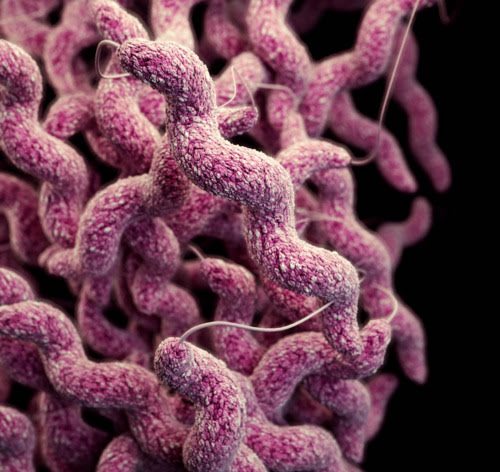
Campylobacter: Key Facts at a Glance
Campylobacter is one of the leading bacterial causes of gastroenteritis worldwide. Most infections come from undercooked poultry, cross-contamination in the kitchen, or unpasteurized milk. Symptoms begin two to five days after exposure, and the illness typically resolves within roughly five to seven days.
- Symptoms: Frequent diarrhea that often becomes bloody, intense cramping abdominal pain, fever, muscle aches, tiredness, and nausea.
- In young children: Sudden lethargy, refusing to eat or nurse, and irritability, followed by explosive, foul-smelling, often bloody diarrhea. Blood or thick mucus in the stool requires immediate pediatric evaluation.
- Treatment: For most healthy people care is supportive, focused on preventing dehydration while the immune system clears the infection.
- Is it contagious? It is not considered highly contagious. Person-to-person spread mostly happens where hygiene is poor, such as in crowded daycare centers or among toddlers who are not yet toilet trained.
- Cooking: Cook all raw poultry to an internal temperature of 165°F (74°C).
- Kitchen hygiene: Do not use the same unwashed cutting board or knife for raw chicken and for foods that will not be cooked. Wash hands with warm, soapy water for at least twenty seconds after handling raw meat, petting animals, or changing diapers.
- Rare complications: Guillain-Barré syndrome and reactive arthritis can follow the infection.
- A Comprehensive Medical And Nutritional Guide To Understanding Campylobacter
- What Is The True Biological Nature Of Campylobacter?
- Recognizing The Clinical Impact Of Campylobacter On The Human Body
- Pediatric Focus: How Campylobacter Affects Infants And Children
- Medical Diagnosis And Clinical Testing
- Comprehensive Medical Treatment
- Essential Strategies For The Prevention Of Campylobacter
- Frequently Asked Questions
- Scientific Sources
A Comprehensive Medical And Nutritional Guide To Understanding Campylobacter
The world of microscopic pathogens is vast and deeply complex, but few bacterial agents have as significant an impact on global gastrointestinal health as Campylobacter. This highly prevalent pathogen is widely recognized by global health authorities as one of the leading bacterial causes of human gastroenteritis worldwide. If you have ever experienced a sudden, severe bout of food poisoning accompanied by intense abdominal cramping, there is a substantial statistical probability that a Campylobacter species was the unseen culprit responsible for your illness. In the first paragraph of this extensive scientific and medical exploration, it is crucial to establish that Campylobacter is not merely a transient inconvenience; it is a profound public health challenge that requires diligent awareness, stringent food safety practices, and comprehensive clinical understanding. Understanding the biological behavior, transmission pathways, and pathological mechanisms of this organism is absolutely essential for protecting families, particularly vulnerable infants and children, from severe diarrheal diseases. Throughout this detailed guide, we will explore the microbiological foundations, clinical manifestations, advanced diagnostic protocols, and rigorous safety measures required to combat this pervasive bacterial threat.
What Is The True Biological Nature Of Campylobacter?
To truly comprehend the threat posed by this organism, one must first examine its unique biological and structural characteristics. Campylobacter is a genus of Gram-negative bacteria that typically exhibits a distinctive curved, s-shaped, or spiral morphology when observed under a high-powered electron microscope. This unique spiral shape is not merely a physical trait; it is a highly evolved evolutionary adaptation that allows the organism to effectively corkscrew its way through the thick, viscous mucus lining of the human gastrointestinal tract. By penetrating this protective mucosal barrier, the bacteria can reach the underlying epithelial cells of the intestines, where they initiate the infection process.
The Historical Discovery Of Campylobacter
The journey to understanding Campylobacter began over a century ago, although its profound impact on human health was not fully recognized until the latter half of the twentieth century. Early veterinary microbiologists first identified these spiral organisms in the reproductive organs of sheep and cattle, initially classifying them under a different bacterial genus. It was not until the critical advancements in laboratory isolation techniques during the 1970s that scientists could successfully culture these delicate organisms from human clinical samples, definitively linking them to widespread outbreaks of acute human enteritis. This monumental breakthrough revolutionized the field of infectious disease epidemiology and forced public health organizations worldwide to fundamentally reassess their understanding of foodborne illnesses.
Identifying campylobacter jejuni Under The Microscope
Within this diverse bacterial genus, there are several distinct species that are known to cause illness in humans, but none is more prominent or dangerous than campylobacter jejuni. This specific microbial strain is responsible for the overwhelming majority—often cited as up to ninety percent—of all diagnosed human infections related to this genus. When highly trained microbiologists examine campylobacter jejuni in a clinical laboratory setting, they observe a highly motile organism propelled by singular or multiple polar flagella located at the ends of its cellular structure. This rapid, darting motility is a defining characteristic that significantly enhances the pathogen’s ability to swiftly colonize the human gut and establish a persistent infection before the body’s primary immune defenses can mount an effective counterattack.
How campylobacter bacteria Survives In The Environment
One of the most fascinating and challenging aspects of campylobacter bacteria is its highly specific environmental requirements for survival and replication. Unlike many other robust environmental pathogens that can thrive in a wide variety of extreme conditions, these organisms are strictly microaerophilic. This means that they require a very precise, reduced level of oxygen—typically around five to ten percent—along with an elevated concentration of carbon dioxide to successfully survive and multiply. Furthermore, they are incredibly sensitive to environmental stresses such as drying out, extreme acidity, and the salinity levels commonly found in preserved foods. Because they cannot survive long outside of a warm, moist, nutrient-rich biological host, their primary ecological niche remains the warm intestinal tracts of warm-blooded animals and birds.
Differentiating campylobacteriosis bacteria From Other Pathogens
When attempting to identify the root cause of a severe gastrointestinal illness, healthcare providers must carefully distinguish campylobacteriosis bacteria from a multitude of other enteric pathogens such as Salmonella, Shigella, and Escherichia coli. While the resulting clinical symptoms can often appear quite similar to the untrained eye, the underlying mechanisms of cellular invasion and the specific environmental reservoirs differ dramatically.
| Pathogen Feature | Campylobacter | Salmonella | E. coli (Pathogenic) |
| Bacterial Shape | Curved, spiral, s-shaped | Rod-shaped (bacillus) | Rod-shaped (bacillus) |
| Oxygen Requirement | Microaerophilic (requires low oxygen) | Facultative anaerobe | Facultative anaerobe |
| Primary Reservoir | Avian gastrointestinal tracts (poultry) | Diverse animals, reptiles, eggs | Cattle, human feces, water |
| Motility Mechanism | Unipolar or two minds flagella (darting) | Peritrichous flagella | Peritrichous flagella |
“The strict microaerophilic nature of this pathogen makes it incredibly difficult to culture in standard laboratory environments, requiring highly specialized gas mixtures and temperature-controlled incubation chambers to successfully isolate the organism from clinical stool samples.”
Recognizing The Clinical Impact Of Campylobacter On The Human Body
Once the protective barriers of the human body have been successfully breached, the resulting clinical syndrome is robust, sudden, and often severely debilitating. The interaction between the invading bacterial agents and the localized immune system within the intestinal mucosal lining triggers a massive cascade of intense inflammatory responses. This widespread intestinal inflammation is directly responsible for the painful and exhausting physical manifestations that patients endure during the course of the illness.
The Incubation Period Of A Campylobacter Infection
After a person consumes food or water that has been dangerously contaminated with the pathogen, there is a distinct silent phase known as the incubation period. During this critical timeframe, which typically lasts anywhere from two to five days, the bacteria are actively multiplying exponentially within the dark, nutrient-rich environment of the small and large intestines. The patient remains completely unaware of the microscopic battle beginning within their body. The exact duration of this silent incubation period can vary significantly based on several crucial factors, including the total volume of bacteria ingested, the specific virulence of the bacterial strain, and the overall baseline strength of the individual’s immune system.
The Most Common campylobacter symptoms In Adults
When the incubation period finally concludes, the onset of illness is rarely subtle. The patient is typically struck by a sudden and overwhelming array of campylobacter symptoms that rapidly incapacitate them. The hallmark clinical feature of this illness is acute, highly frequent diarrhea that often becomes notably bloody as the intense inflammation actively destroys the delicate cellular lining of the intestines. Alongside this severe gastrointestinal distress, patients almost universally experience intense, cramping abdominal pain that can sometimes be so severe it mimics the sharp, localized pain of acute appendicitis. Furthermore, the body’s systemic immune response typically generates a significant fever, profound muscular aches, generalized lethargy, and persistent nausea that may or may not culminate in episodes of active vomiting.
Addressing Severe Symptoms And Important Causes
While most otherwise healthy adults will eventually recover from the acute phase of the illness, there are specific Causes and underlying health factors that can rapidly transform a standard infection into a life-threatening medical crisis. Individuals suffering from compromised immune systems, such as those undergoing aggressive chemotherapy treatments, patients managing advanced HIV/AIDS, or the frail older people, are at a significantly elevated risk for severe systemic complications. In these vulnerable populations, the bacteria can sometimes breach the intestinal wall entirely and aggressively enter the host’s bloodstream—a highly dangerous medical condition known as bacteremia. When bacteremia occurs, the pathogen can travel to distant organs, potentially causing life-threatening infections in the central nervous system, the heart, or the joints.
Understanding campy bacteria In Vulnerable Populations
The behavior of campy bacteria within populations that lack a fully developed or robust immune defense requires special clinical attention. The delicate physiology of these individuals means that the primary danger is often not the direct cellular damage caused by the bacteria itself, but rather the rapid and profound secondary effects of the illness. The massive loss of essential bodily fluids and critical electrolytes through continuous, severe diarrhea can quickly lead to hypovolemic shock if aggressive oral or intravenous rehydration therapies are not immediately initiated.
Pediatric Focus: How Campylobacter Affects Infants And Children
The impact of Campylobacter on pediatric populations is a subject of profound importance for parents, caregivers, and pediatric health professionals. The developing gastrointestinal systems and nascent immune defenses of young babies, infants, and toddlers make them uniquely susceptible to the severe consequences of acute bacterial gastroenteritis. When a child’s delicate system encounters this aggressive pathogen, the clinical trajectory requires vigilant observation and highly specific medical interventions.
Managing Campylobacter In Babies And Toddlers
The introduction of solid foods during the weaning process represents a critical window of vulnerability for infants. As babies transition from the sterile safety of breastmilk or heavily processed formula to a diverse array of environmental food sources, their risk of encountering microscopic foodborne pathogens increases exponentially. Furthermore, the natural exploratory behavior of toddlers—who consistently interact with their environment by placing unwashed hands, contaminated toys, and potentially soiled objects directly into their mouths—creates a highly efficient pathway for bacterial transmission. In densely populated childcare environments and busy preschools, the rapid spread of enteric infections is a constant operational challenge that requires meticulous hygiene and rigorous sanitation protocols.
Recognizing Pediatric campylobacter symptoms
Identifying the early warning signs of infection in a very young child who cannot verbally communicate their physical distress requires a highly observant caregiver. In pediatric cases, the initial campylobacter symptoms often manifest as sudden, uncharacteristic lethargy, a sharp refusal to eat or nurse, and a noticeable, generalized irritability. This prodromal phase is usually swiftly followed by the onset of explosive, foul-smelling, and frequently bloody diarrhea. Parents must intimately monitor their child’s diaper output, paying very close attention to the consistency, frequency, and coloration of the stool, as the presence of bright red blood or thick mucus is a definitive indicator of severe intestinal inflammation requiring immediate pediatric evaluation.
The Causes Of Dehydration In Pediatric Cases
The single most dangerous acute threat to a child suffering from a gastrointestinal infection is rapid and severe clinical dehydration. Because infants and small children have a significantly higher baseline metabolic rate and a much larger surface-area-to-volume ratio compared to adults, they actively lose critical water reserves and vital electrolytes at a terrifyingly accelerated pace. The combined Causes of continuous liquid diarrhea, frequent vomiting, and the increased metabolic demands of a high fever can deplete a baby’s fluid levels in a matter of hours. Caregivers must be hyper-vigilant for the classic pediatric signs of dangerous dehydration: the absence of tears during active crying, a visibly sunken soft spot (fontanelle) on the top of the skull, excessively dry and sticky oral mucous membranes, and a highly concerning lack of wet diapers over an extended multi-hour period.
Effective Treatment Protocols For Children
When addressing the medical needs of a child, the foundational pillar of all pediatric Treatment strategies is aggressive, sustained, and meticulously calculated fluid replacement. Pediatricians universally strongly advise against the use of plain water, sugary commercial fruit juices, or sports drinks for rehydrating infants, as these improper fluids contain entirely incorrect ratios of sodium and glucose that can actually worsen osmotic diarrhea. Instead, the rigorous use of scientifically formulated Oral Rehydration Solutions (ORS) is strictly mandated. These highly specialized medical solutions are perfectly biologically balanced to maximize the rapid absorption of water and critical salts directly across the compromised intestinal lining, safely and effectively restoring the child’s dangerously depleted hydration status.
The Primary Sources And Transmission Pathways Of Campylobacter
To construct an effective defense against Campylobacter, it is utterly essential to understand exactly where this organism lives and precisely how it successfully navigates from its natural environmental reservoirs into the human digestive system. The epidemiological data surrounding this pathogen is clear: it is overwhelmingly a zoonotic disease, meaning it is inherently transmitted from animals to humans, primarily through the complex web of our global agricultural and food production systems.
Foodborne Vectors For Campylobacter
The vast majority of diagnosed human infections are directly traced back to the consumption and handling of contaminated food products. The modern agricultural environment, particularly the intensive, large-scale commercial farming of avian species, serves as the ultimate biological stronghold for these bacteria. The warm, nutrient-rich gastrointestinal tracts of these animals provide the perfect microaerophilic sanctuary for the bacteria to colonize and multiply in astronomical numbers without causing any noticeable clinical disease in the animal host itself.
The Danger Of campylobacter infection In Raw Poultry
When investigating the primary epidemiological drivers of human illness, raw and undercooked poultry stands alone at the very top of the list. It is a widely documented microbiological fact that a staggering percentage of raw chicken and turkey products sold in standard retail supermarkets worldwide are actively harboring living campylobacter infection on their raw surfaces. During the mechanized, high-speed commercial slaughter and meat processing procedures, the heavily contaminated microscopic fecal matter from the bird’s intestines can easily splash and stubbornly adhere to the external meat surface of the poultry carcass. If this heavily contaminated meat is subsequently not subjected to thorough, high-temperature cooking that reaches the exact internal thermal death point of the bacteria, the surviving pathogens will be consumed directly by the unsuspecting individual.
Cross-Contamination Causes In Domestic Kitchens
Even if a cook successfully prepares a piece of poultry to the correct internal temperature, the severe threat of illness is far from eliminated if poor hygienic practices are employed during the initial preparation phase. Cross-contamination is one of the most common and easily preventable Causes of severe domestic foodborne illness outbreaks. This dangerous scenario occurs when the invisible, microscopic bacteria are inadvertently physically transferred from the contaminated raw meat onto other kitchen surfaces, utensils, or ready-to-eat foods. For example, if a home cook uses a wooden cutting board and a steel kitchen knife to slice raw, contaminated chicken, and then mindlessly uses those exact same unwashed tools to quickly chop fresh, raw vegetables for a side salad, the bacteria are seamlessly and efficiently transported directly into a meal that will not be subjected to any further heat treatment.
Unpasteurized Milk And campylobacter bacteria Risks
Beyond the well-known dangers of raw poultry, there is another highly significant and entirely preventable source of human infection that continues to cause dangerous regional outbreaks: the consumption of raw, unpasteurized dairy products. Despite continuous, urgent, and evidence-based warnings from global health authorities, the rising trend of consuming raw milk has directly led to a corresponding spike in severe infections caused by campylobacter bacteria. Dairy cattle naturally shed incredibly high volumes of this bacteria in their raw manure. During the mechanical milking process, microscopic droplets of this heavily contaminated manure can easily contaminate the raw milk supply, and without the essential, life-saving thermal safety net of standard industrial pasteurization, the actively living bacteria are delivered directly and dangerously into the human digestive system.
Medical Diagnosis And Clinical Testing
When a patient presents to a medical clinic or emergency room exhibiting the classic, severe symptoms of acute bacterial gastroenteritis, the attending physician must rapidly deploy specific diagnostic tools to definitively identify the exact microbial agent responsible for the distress. Because the clinical presentation of this illness is often virtually indistinguishable from other severe foodborne infections, accurate laboratory diagnostics are the only way to confirm a true Campylobacter diagnosis and subsequently tailor the most effective medical intervention.
Laboratory Confirmation
The historical gold standard for definitively diagnosing this specific bacterial infection has always been the traditional stool culture. In this rigorous microbiological procedure, a small sample of the patient’s acute diarrheal stool is carefully collected and meticulously smeared onto highly specialized, nutrient-rich agar plates that contain a specific cocktail of powerful antibiotics designed to actively suppress the rapid growth of normal, competing intestinal flora. These specialized culture plates must then be immediately placed into highly controlled, sophisticated microaerophilic incubation chambers that perfectly simulate the precise low-oxygen and high-carbon dioxide environment of the human gut. Because these bacteria are notoriously fastidious and slow-growing, it can take up to three to five full days of continuous incubation before the distinct, watery, spreading bacterial colonies become visibly identifiable to the laboratory technician.
Ensuring Accurate Treatment Based On Stool Cultures
While waiting for the slow results of a traditional culture can be clinically frustrating, the ultimate isolation of the living organism provides incredibly valuable medical information. Once the laboratory has successfully grown the specific strain of campylobacter infection responsible for the illness, they can perform highly targeted antimicrobial susceptibility testing. This critical secondary testing phase allows the medical team to definitively determine exactly which specific antibiotic medications will be the most effective against that exact bacterial strain, and simultaneously identifies if the organism has evolved dangerous genetic resistance to standard frontline Treatment options.
Advanced Diagnostics For campylobacteriosis bacteria
In recent years, the clinical field of infectious disease diagnostics has been fundamentally revolutionized by the rapid development and widespread implementation of advanced, highly sensitive molecular testing methodologies. Modern clinical laboratories now frequently utilize multiplex Polymerase Chain Reaction (PCR) panels that can simultaneously screen a single patient stool sample for the genetic DNA signatures of dozens of different gastrointestinal pathogens, including campylobacteriosis bacteria, in a matter of mere hours. This incredible technological leap forward has drastically reduced diagnostic waiting times, allowing physicians to implement highly targeted, evidence-based therapies much faster than ever before.
Recognizing A Systemic campylobacter infection
In the rare but highly dangerous instances where the physician suspects that the bacteria have aggressively breached the intestinal wall and entered the circulatory system, drastically different diagnostic protocols must be immediately initiated. If a vulnerable patient begins exhibiting severe systemic symptoms such as uncontrollable, shaking chills, a persistently high and unyielding fever, and profound, disabling lethargy, the medical team will urgently order multiple, highly sterile blood cultures. Detecting a living campylobacter infection actively circulating within the human bloodstream is a critical medical emergency that mandates the immediate administration of powerful, broad-spectrum intravenous antibiotics and aggressive, continuous inpatient hospital monitoring.
Comprehensive Medical Treatment
The clinical management of an acute bacterial intestinal infection requires a highly balanced, patient-specific approach that carefully weighs the severity of the presenting symptoms against the potential risks and side effects of aggressive pharmacological interventions. For the vast majority of healthy, immunocompetent individuals, the primary medical strategy is inherently supportive in nature, focusing intensely on symptom management and the rigorous prevention of severe dehydration while the body’s natural immune system actively works to clear the invading pathogen.
Primary Treatment And Hydration Strategies
The absolute, non-negotiable cornerstone of all medical care for this illness is the aggressive, continuous maintenance of the patient’s internal fluid and electrolyte balance. Because the actively inflamed and damaged intestinal lining is temporarily severely compromised in its natural ability to effectively absorb essential water and critical nutrients, the patient must constantly and diligently replenish these massive, ongoing losses.
“Adults suffering from acute diarrheal illnesses must actively consume large volumes of clear, biologically appropriate fluids, such as scientifically formulated oral rehydration solutions, highly diluted pure fruit juices, and clear, nutrient-rich broths, strictly avoiding heavy, fatty, or excessively sugary beverages that can dangerously exacerbate intestinal cramping and worsen osmotic diarrhea.”
When To Prescribe Antibiotics For campylobacter bacteria
The decision to formally introduce powerful antibiotic medications into the Treatment plan is a highly complex clinical choice that physicians do not make lightly. Because the human immune system is generally highly capable of naturally eradicating campylobacter bacteria on its own within a timeframe of about a week, routine antibiotic prescription for mild to moderate cases is actively discouraged by global health guidelines. The unnecessary use of these powerful drugs can severely disrupt the body’s natural, healthy intestinal microbiome and significantly contribute to the terrifying global crisis of widespread antibiotic resistance.
Managing Long-Term Complications And Symptoms
While the acute phase of the gastrointestinal illness typically fully resolves within roughly five to seven days, a small but significant percentage of patients may unfortunately go on to develop severe, long-term autoimmune complications triggered directly by the initial bacterial infection. One of the most devastating potential post-infectious complications is Guillain-Barré Syndrome (GBS), a rare but profoundly serious autoimmune neurological disorder where the body’s confused immune system aggressively attacks its own peripheral nervous system. The unique molecular structure of the bacterial cell wall closely mimics the molecular structure of human nerve tissue, causing a dangerous cross-reactive immune response that can rapidly lead to severe, ascending muscular paralysis requiring prolonged, intensive hospital care and advanced respiratory support. Another documented complication is Reactive Arthritis, a painful, inflammatory condition that causes severe swelling, redness, and stiffness in the major joints of the body, potentially persisting as long-term debilitating Symptoms for many months after the initial digestive illness has completely resolved.
Navigating The Recovery Phase From campy bacteria
As the intense, acute symptoms finally begin to slowly subside and the patient transitions into the recovery phase, a careful, methodical, and highly gentle approach to dietary reintroduction is absolutely paramount. The cellular lining of the gastrointestinal tract requires significant, uninterrupted time to physically heal and fully regenerate after the violent, inflammatory onslaught caused by the campy bacteria. Patients are strongly clinically advised to strictly adhere to a highly bland, exceptionally easily digestible diet—often referred to clinically as the BRAT diet, which primarily consists of soft Bananas, plain white Rice, unsweetened Applesauce, and dry Toast—while rigorously avoiding complex dairy products, heavily spiced foods, and high-fat meals that can easily irritate the sensitive, recovering stomach and trigger a painful relapse of digestive distress.
Essential Strategies For The Prevention Of Campylobacter
Because the medical treatment of a severe bacterial gastrointestinal infection is complex and the illness itself is exceptionally physically miserable, the absolute ultimate medical strategy is entirely focused on the rigorous, uncompromising Prevention of the infection from occurring in the first place. Protecting yourself and your vulnerable family members from this ubiquitous, invisible environmental threat requires a deep, dedicated commitment to consistently executing meticulous hygiene practices and adhering to incredibly strict, scientifically validated food safety protocols every single day.
Implementing Proper Kitchen Hygiene
The domestic kitchen is undoubtedly the primary battlefield in the daily war against foodborne bacterial pathogens. Every single time raw, potentially contaminated poultry or raw meat enters a domestic home, the individual preparing the food must instantly adopt the highly disciplined, rigorous mindset of a meticulous clinical microbiologist handling dangerous biological materials.
Daily Prevention Routines For Families
The most fundamental, profound, and highly effective action a person can take to actively prevent the dangerous transmission of this pathogen is the incredibly simple, yet frequently poorly executed, act of thorough handwashing. Vigorous, mechanical handwashing utilizing warm, soapy water for an absolute minimum of twenty continuous seconds is strictly required immediately after handling any raw meat products, instantly after using the bathroom, immediately following the changing of a soiled baby diaper, and directly after physically touching any household pets or their associated waste.
Safe Food Handling Practices And Prevention
When actively cooking and preparing potentially dangerous foods, relying on visual cues or basic guesswork to determine if meat is safe to eat is a highly dangerous and unacceptable practice. The only scientifically proven, completely reliable method to absolutely guarantee the thermal destruction of dangerous bacteria is the consistent use of a high-quality, calibrated digital meat thermometer.
| Food Item Category | Required Safe Internal Cooking Temperature |
| Whole Poultry (Chicken, Turkey) | 165°F (74°C) |
| Ground Poultry Meat | 165°F (74°C) |
| Leftovers and Casseroles | 165°F (74°C) |
| Ground Beef and Pork | 160°F (71°C) |
By strictly adhering to these exact scientific temperature guidelines, home cooks can utterly guarantee that any microscopic bacteria lurking deep within the muscular tissues of the meat are completely thermally eradicated before the food is ever served to their family. Furthermore, rigorous Prevention strategies absolutely demand the immediate and thorough sanitization of all potentially contaminated kitchen surfaces, cutting boards, and cooking utensils using highly effective, hot soapy water or a commercially approved antibacterial kitchen disinfectant solution immediately after they come into any physical contact with raw meat products.
Eliminating campylobacteriosis bacteria From Your Home
Ultimately, successfully defending your family against the pervasive threat of campylobacteriosis bacteria is an ongoing, continuous process that requires constant, daily vigilance. By deeply educating yourself on the true biological nature of the pathogen, fully understanding its specific environmental sources, recognizing the early clinical signs of illness, and relentlessly implementing meticulous, rigorous hygiene protocols, you can drastically reduce your statistical risk of falling victim to this severe, debilitating, and entirely preventable bacterial illness.
Frequently Asked Questions
What is campylobacter?
Campylobacter is a highly prevalent genus of microscopic, spiral-shaped bacteria that is globally recognized as one of the leading microbiological causes of severe human gastroenteritis. These specific bacteria primarily target the delicate mucosal lining of the human intestinal tract, triggering a massive, painful inflammatory response. When an individual becomes infected with this pathogen, they typically endure a sudden and severe onset of acute digestive illness that requires careful medical monitoring and rigorous supportive care.
Is campylobacter contagious?
While it is technically possible for the bacteria to spread directly from one infected human to another, it is not considered highly contagious in the same manner as a common respiratory virus like the flu. Direct person-to-person transmission usually only occurs in environments with exceptionally poor hygiene where microscopic fecal matter is inadvertently ingested, such as in crowded daycare centers or among toddlers who are not yet toilet trained. The vast majority of human infections are instead contracted directly from heavily contaminated environmental sources, such as consuming undercooked poultry or drinking unpasteurized raw milk.
How to prevent campylobacter?
The most reliable and effective way to prevent this specific bacterial infection is through the rigorous, daily application of meticulous food safety and strict kitchen hygiene protocols. You must ensure that all raw poultry is cooked to an internal temperature of exactly 165°F (74°C) using a calibrated digital meat thermometer to guarantee the total thermal destruction of the pathogen. Furthermore, you must absolutely avoid the consumption of raw, unpasteurized dairy products and meticulously wash your hands with warm, soapy water for at least twenty seconds after handling raw meat, petting animals, or changing soiled baby diapers.
What is campylobacter bacteria?
From a strictly microbiological perspective, this is a fastidious, Gram-negative organism that requires a highly specific, low-oxygen (microaerophilic) environment to successfully survive and reproduce. Because it cannot easily tolerate the normal oxygen levels of the open atmosphere, it naturally seeks out the warm, dark, nutrient-dense gastrointestinal tracts of warm-blooded animals, particularly avian species like chickens and turkeys. It utilizes its unique spiral body shape and darting flagella to efficiently bore through the protective mucus of the host’s intestines, allowing it to establish a robust and painful infection.
How do you get campylobacter?
The overwhelming majority of individuals contract this specific infection by inadvertently consuming food or water that has been dangerously contaminated with microscopic amounts of animal feces containing the living pathogen. The most common specific transmission vehicle is the improper handling and subsequent consumption of raw or undercooked commercial poultry products in domestic kitchens. Additionally, individuals frequently acquire the infection by drinking untreated water from natural streams, consuming raw, unpasteurized milk straight from dairy cattle, or cross-contaminating their fresh, ready-to-eat kitchen salads with unwashed utensils previously used on raw chicken.
The following posts may interest you
Cryptosporidiosis: Symptoms, Causes, and Treatment Guide
Pinworms: Symptoms, Causes, and Effective Treatments
Foods to avoid during pregnancy: A Complete Safety Guide
Disclaimer: The content provided on BabyKidsHealth.com is for informational purposes only and is not intended as a substitute for professional medical advice, diagnosis, or treatment. Always seek the advice of your physician or other qualified health provider with any questions you may have regarding a medical condition.
Sources
About Campylobacter infection (Centers for Disease Control and Prevention, CDC)
https://www.cdc.gov/campylobacter/about/index.html
Campylobacter (World Health Organization, WHO)
https://www.who.int/news-room/fact-sheets/detail/campylobacter
Campylobacter Infections (American Academy of Pediatrics, HealthyChildren.org)
Global Epidemiology of Campylobacter Infection
https://journals.asm.org/doi/full/10.1128/cmr.00006-15
Campylobacter: from microbiology to prevention
https://pmc.ncbi.nlm.nih.gov/articles/PMC5584092
The clinical importance of emerging Campylobacter species
https://www.nature.com/articles/nrgastro.2011.191
Human Campylobacteriosis in Developing Countries
https://pmc.ncbi.nlm.nih.gov/articles/PMC2732465
Prevalence and Comparison of Genetic Profiles of Campylobacter Strains Isolated from Poultry and Sporadic Cases of Campylobacteriosis in Humans
https://www.sciencedirect.com/science/article/pii/S0362028X22047020
Campylobacteriosis
https://onlinelibrary.wiley.com/doi/abs/10.1002/9781119371199.ch17
Tracing the Source of Campylobacteriosis
https://journals.plos.org/plosgenetics/article?id=10.1371/journal.pgen.1000203
The Clinical Importance of Campylobacter concisus and Other Human Hosted Campylobacter Species
The genus Campylobacter: a decade of progress
https://journals.asm.org/doi/abs/10.1128/cmr.1.2.157
Human Campylobacteriosis—A Serious Infectious Threat in a One Health Perspective
https://link.springer.com/chapter/10.1007/978-3-030-65481-8_1