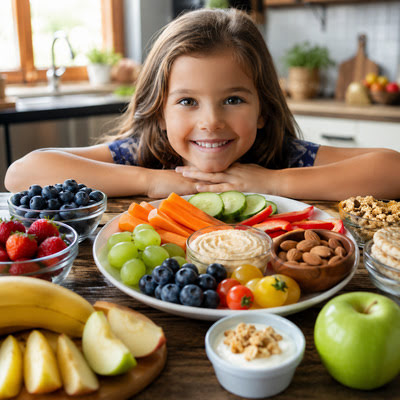
- Healthy Snacks for Kids: The Ultimate Guide to Nutrient-Dense Snacking
- Why Healthy Snacks for Kids Form the Foundation of Childhood Growth
- Navigating the Building Blocks of Healthy Snacks for Kids
- The Parent’s Practical Playbook for Preparing Healthy Snacks for Kids
- Designing a Stress-Free Routine for Healthy Snacks for Kids
- Smart Shopping Strategies for Healthy Snacks for Kids
- The Essential On-the-Go Guide for Healthy Snacks for Kids
- Overcoming the Picky Eating Hurdle
- Establishing Lifelong Healthy Habits through Healthy Snacks for Kids
- Comprehensive Nutritional Analysis: Healthy Snacks for Kids
- Community and Culture
- Frequently Asked Questions
- Scientific Resources
Healthy Snacks for Kids: The Ultimate Guide to Nutrient-Dense Snacking
In today’s fast-paced world, establishing balanced eating patterns during childhood is one of the most powerful steps parents can take toward ensuring lifelong wellness. Between school hours, homework, extracurricular activities, and rapid growth spurts, children require a consistent stream of energy and essential nutrients to fuel their busy days. Because children have smaller stomachs than adults, they often cannot consume enough food during primary meals to satisfy their daily metabolic demands. Consequently, incorporating Healthy Snacks for Kids into their daily routine is not merely an optional treat, but a nutritional necessity that supports cognitive function, muscle development, and overall physical development.
Dietitian’s Insight: Snacking is not about spoiling appetite; rather, it is an essential opportunity to supplement a child’s daily nutritional intake with fiber, vitamins, and minerals that they might otherwise miss during breakfast, lunch, or dinner.
Why Healthy Snacks for Kids Form the Foundation of Childhood Growth
The Physiological Need for Healthy Snacks for Kids
Children are in a constant state of physiological development, which places incredibly high demands on their metabolic systems. Unlike adults, whose energy needs are primarily focused on maintenance, children require fuel for both daily activities and the creation of new tissue. When children go too long without food, their blood glucose levels drop, leading to fatigue, irritability, and difficulty concentrating. By consistently offering Healthy Snacks for Kids, caregivers can maintain stable blood sugar levels, preventing the dramatic energy spikes and crashes that often trigger behavioral difficulties. High-quality snacks function as bridge meals, ensuring that children receive a steady supply of micronutrients necessary for physiological homeostasis and robust immune function.
Cognitive Benefits and Academic Performance of Healthy Snacks for Kids
Navigating the Building Blocks of Healthy Snacks for Kids
Protein and Fiber: The Satiety Champions in Healthy Snacks for Kids
To create a snack that provides sustained energy rather than a brief sugar high, parents should focus on two primary macronutrient components: dietary protein and dietary fiber. Fiber slows down digestion, ensuring that carbohydrates are absorbed gradually into the bloodstream, while protein promotes the release of satiety hormones, helping children feel full and satisfied until the next structured meal. When planning Healthy Snacks for Kids, combining a source of complex carbohydrates (such as whole grains or fresh fruit) with a source of protein or healthy fat (such as nuts, seeds, or dairy) creates a synergistic effect that optimizes metabolic health and prevents premature hunger.
Micronutrient Density in Healthy Snacks for Kids
Childhood is a critical window for bone mineralization, neural pathway refinement, and muscle growth. Therefore, every snack opportunity should be treated as a valuable opportunity to deliver key micronutrients like calcium, vitamin D, iron, and magnesium. Incorporating Healthy Snacks for Kids that feature dark leafy greens, colorful berries, fortified dairy products, and seeds ensures that children meet their daily recommended intakes. Rather than viewing snacks as “empty calories” designed to simply quiet a rumbling stomach, thinking of them as vehicles for micronutrient delivery allows families to proactively combat common nutritional deficiencies.
The Parent’s Practical Playbook for Preparing Healthy Snacks for Kids
Balancing Convenience and Nutrition
For busy parents, the primary obstacle to providing healthy food is often a lack of prep time. However, balancing convenience and nutrition is entirely achievable with a little strategic planning. Preparing Healthy Snacks for Kids in advance—such as washing and slicing raw vegetables on Sunday evening or portioning out whole-grain crackers—dramatically reduces the temptation to reach for pre-packaged, low-nutrient convenience foods. By making nutritious options just as accessible as processed ones, parents can seamlessly integrate whole-food snacking into even the most hectic family schedules.
Creative Food Art: Making Healthy Snacks for Kids Fun
Children are highly visual eaters, meaning the aesthetic presentation of food plays a massive role in their willingness to try new ingredients. Transforming simple ingredients into playful shapes, colorful patterns, or interactive arrangements can dramatically increase a child’s enthusiasm for wholesome eating. Presenting Healthy Snacks for Kids in creative formats, such as arranging sliced fruit like a rainbow or using cookie cutters to shape sandwiches, turns snack time into a fun and engaging sensory experience that reduces mealtime friction.
Quick and Creative healthy snack ideas for kids to Try Today
- Fruit and Cheese Kabobs: Thread alternative cubes of mild cheddar cheese and sweet grapes onto child-safe wooden skewers for a fun, finger-friendly snack.
- Veggie Caterpillar Bites: Slice fresh cucumbers into thick rounds, arrange them in a winding line on a plate, and use tiny dollops of cream cheese and chives to create eyes and antennae.
- Apple Ring Donuts: Core an apple, slice it crosswise into rings, spread a thin layer of natural almond butter on top, and sprinkle with unsweetened shredded coconut.
Fun Healthy Snack Ideas for Kids in Under Ten Minutes
- Greek Yogurt Bark: Spread plain, unsweetened Greek yogurt onto a baking sheet lined with parchment paper, press fresh raspberries and blueberries into the surface, freeze until solid, and break into delicious, cold shards.
- No-Bake Energy Bites: Combine rolled oats, ground flaxseed, chia seeds, a splash of pure maple syrup, and natural peanut butter in a bowl, roll into bite-sized spheres, and chill.
- Easy Guacamole Cups: Mash a ripe avocado with a squeeze of fresh lime juice and a pinch of salt, then serve it directly in the avocado skin alongside baked whole-grain pita triangles.
Designing a Stress-Free Routine for Healthy Snacks for Kids
| Snack Category | Recommended Ingredients | Nutritional Focus | Perfect Setting |
|---|---|---|---|
| Fresh & Crunchy | Baby carrots, bell pepper strips, cucumber slices with hummus | Fiber, Vitamin C, Hydration | After-School Wind-Down |
| Protein-Packed | Hard-boiled eggs, edamame, low-fat string cheese, roasted chickpeas | Muscle growth, Sustained satiety | Post-Athletic Play |
| Sweet & Wholesome | Apple slices, mixed berries with plain Greek yogurt | Antioxidants, Calcium, Gut health | Mid-Morning Boost |
| Whole Grain Power | Air-popped popcorn, whole-wheat pita bread, oatcakes | B-vitamins, Complex carbohydrates | School Study Breaks |
Setting Consistent Boundaries
An effective childhood nutrition strategy relies heavily on consistency and structured routines. Establishing set snack times rather than allowing kids to graze continuously throughout the day helps them develop healthy hunger and fullness cues. When offering Healthy Snacks for Kids, keeping snack times at least two hours before major meals ensures that children arrive at the dinner table with a healthy appetite, making them far more receptive to tasting new vegetables and main dishes.
Portion Control: Keeping Healthy Snacks for Kids from Spoiling Meals
While snacks are vital for maintaining energy, oversized portions can easily displace the nutrients children should be receiving during breakfast, lunch, and dinner. To prevent this, parents should pre-portion all snacks into bowls or reusable containers rather than allowing children to eat directly from large boxes or bags. By keeping Healthy Snacks for Kids properly portioned, parents can successfully satisfy their children’s hunger while protecting the integrity of their primary family meals.
Simple healthy kid snacks for school to Streamline Mornings
- Pre-Portioned Seed Mixes: Combine pumpkin seeds, sunflower seeds, and unsweetened dried cranberries in small, reusable silicone pouches.
- Whole-Grain Oatcakes: Pack a couple of fiber-rich oatcakes topped with a light smear of sunflower seed butter for a nut-free, school-safe boost.
- Chilled Edamame Pods: Lightly steam edamame in their pods, sprinkle with a tiny touch of sea salt, and pack them in an insulated container.
Nutrient-Rich healthy snacks for kids school environments approve
- Hummus and Cucumber Rounds: Pack a small tub of roasted garlic hummus alongside thick-cut cucumber coins for a hydrating, nutrient-dense classroom snack.
- Cottage Cheese Cups: Combine low-sodium cottage cheese with pineapple tidbits in a leak-proof container, offering a great balance of protein and sweetness.
- Whole-Wheat Pita Pockets: Stuff mini whole-wheat pita pockets with shredded carrots and baby spinach, serving with a side of mild salsa.
Smart Shopping Strategies for Healthy Snacks for Kids
Reading Labels and Finding Verified Healthy Snacks for Kids
Navigating the supermarket aisles can be overwhelming due to clever marketing strategies and misleading claims on food packaging. To make truly informed decisions, parents must look beyond front-of-pack buzzwords like “all-natural” or “made with real fruit” and focus directly on the ingredient list and the nutrition facts panel. When selecting Healthy Snacks for Kids, prioritize products with short, recognizable ingredient lists, minimal added sugars, and low sodium content, while opting for items that feature whole grains or whole fruits as the first listed ingredient.
Stocking the Pantry with Ready-to-Eat Healthy Snacks for Kids
Having a well-stocked pantry is the ultimate defense against the temptation of convenience store junk food. By designating a specific, easily accessible shelf in both the pantry and the refrigerator for Healthy Snacks for Kids, parents can foster independence while ensuring that the choices available are highly nutritious. This system allows hungry children to independently choose a snack they enjoy, confident in the knowledge that every option has been pre-screened for nutritional quality.
Parenting Tip: Create a “Self-Serve Snack Drawer” at your child’s eye level in the fridge. Fill it with pre-washed berries, celery sticks, and low-fat cheese sticks so they can easily help themselves to nutritious choices.
Navigating healthy treats to buy at the Supermarket
- Freeze-Dried Fruit Bags: Look for options that list only one ingredient—such as freeze-dried strawberries or apples—without any added oils, preservatives, or sugars.
- Seaweed Snacks: Roasted nori sheets seasoned with olive oil and a touch of sea salt provide a wonderfully crispy texture along with trace minerals.
- Baked Veggie Straws: Seek out high-quality baked straws made from real green peas, lentils, or black beans, which offer significantly more fiber and protein than potato-based alternatives.
Expert-Recommended healthy snacks to buy for Busy Families
- Unsweetened Applesauce Pouches: A shelf-stable, mess-free option that provides pure fruit fiber and vitamin C, making it perfect for quick car rides.
- Grass-Fed Beef or Turkey Sticks: High-protein, low-sugar meat sticks made with natural ingredients offer a highly satisfying savory snack.
- Sprouted Grain Pretzels: These pretzels are much easier on sensitive young digestive systems and provide more bioavailable nutrients than traditional white flour pretzels.
The Essential On-the-Go Guide for Healthy Snacks for Kids
Travel-Friendly Solutions Using Healthy Snacks for Kids
Whether heading to soccer practice, a music lesson, or a weekend road trip, travel can easily disrupt healthy eating patterns. To maintain nutritional standards while away from home, parents should invest in durable, insulated travel containers and ice packs. Packing portable Healthy Snacks for Kids ensures that you always have nutrient-dense options on hand, protecting you from the high costs and limited nutritional value of roadside fast food or vending machines.
Food Safety and Temperature Control
When packing perishable foods like yogurt, cheese, or sliced poultry, maintaining a safe temperature is absolutely critical to prevent the growth of harmful bacteria. To ensure Healthy Snacks for Kids remain perfectly safe and delicious, always pack them alongside a frozen gel pack or a frozen water bottle in an insulated lunch bag. Educating children about the importance of washing their hands before eating on the go completes a comprehensive approach to food safety.
Packing a Healthy snacks for kids lunch box That Stays Fresh
- Frozen Yogurt Tubes: Freeze organic, low-sugar yogurt tubes overnight; they will act as an ice pack in the lunch box and thaw to a perfect, chilled consistency by snack time.
- Grape Tomato and Mozzarella Skewers: These sturdy ingredients hold up incredibly well in a lunch box without getting mushy or losing their shape.
- Whole-Wheat Tortilla Roll-Ups: Spread cream cheese and turkey breast onto a whole-wheat tortilla, roll it up tightly, slice into pinwheels, and pack.
Choosing healthy snacks for kids on the go during Busy Afternoons
- Roasted Chickpeas: Crunchy, savory, and packed with fiber, roasted chickpeas are completely shelf-stable and can be kept in the glove box for emergencies.
- Banana and Single-Serve Seed Butter: Bananas come in their own protective packaging, making them the ultimate mess-free portable snack when paired with a seed butter pouch.
- Dehydrated Veggie Crisps: Crispy beet, carrot, and green bean chips satisfy the craving for potato chips while providing essential vitamins and dietary fiber.
Overcoming the Picky Eating Hurdle with Healthy Snacks for KidsPositive Reinforcement and Healthy snacks for kids
Dealing with a picky eater can turn snack time into a stressful power struggle. To avoid this, parents should adopt a policy of division of responsibility: the parent decides what, when, and where food is served, while the child decides whether to eat and how much to consume. When introducing Healthy Snacks for Kids, offering a new, unfamiliar food alongside a familiar, well-loved favorite reduces anxiety and encourages sensory exploration without pressure.
| Phase | Action Protocol | Core Purpose |
|---|---|---|
| Step 1: Pair with a Favorite | Place a tiny portion of the unfamiliar snack directly next to a familiar, well-loved staple on their plate. | Reduces Food Anxiety: The accepted food acts as a nutritional safety net, keeping stress levels low. |
| Step 2: Keep Portions Tiny | Serve just a micro-portion—such as one single blueberry, a tiny slice of pepper, or one roasted chickpea. | Prevents Overwhelm: Minimal portions feel manageable to a child and significantly limit food waste. |
| Step 3: Praise the Effort | Focus positive reinforcement on their bravery for touching, smelling, or licking the food, regardless of intake. | Builds Trust: Promotes long-term curiosity and positive associations with diverse nutrient groups. |
Success Tip for Picky Eaters: Avoid forcing a child to clean their plate or take a bite. Instead, focus on creating a relaxed sensory environment where children feel safe enough to touch, smell, and eventually taste new food options at their own pace.
Sensory Exploration through Healthy Snacks for Kids
Children often reject foods based on texture rather than taste. Understanding your child’s sensory preferences—whether they prefer crunchy, smooth, cold, or warm foods—allows you to tailor Healthy Snacks for Kids to their unique comfort zone. For instance, if a child dislikes the slippery texture of raw tomatoes, offering roasted cherry tomatoes or a smooth tomato-basil dip can provide the same nutritional benefits in a format they find far more appealing.
Crafting the Ultimate Healthy Snacks Plate for Picky Eaters
- The Deconstructed Taco Plate: Arrange small piles of black beans, shredded cheddar cheese, mild salsa, and whole-grain tortilla chips, allowing the child to build their own bites.
- Hummus Starburst: Place a small bowl of classic hummus in the center of a plate, and surround it with a colorful starburst of raw baby carrots, bell pepper strips, and pretzel sticks.
- Picky-Eater Parfait: Layer plain Greek yogurt, a drizzle of honey, and a handful of familiar berries in a clear cup, making it feel like a fancy dessert.
Building Balanced Platter with Healthy Snacks for Kids Focus
- The Rainbow Grazing Board: Arrange a beautiful spread of red strawberries, orange melon, yellow cheese, green cucumbers, and blueberries on a wooden board.
- The Savory Mediterranean Platter: Combine pitted kalamata olives, cucumber slices, whole-wheat pita bread, and a small dish of creamy tzatziki sauce.
- The Sweet and Nutty Tray: Pair sliced sweet pears with a selection of raw walnuts, pumpkin seeds, and a few dark chocolate chips.
Establishing Lifelong Healthy Habits through Healthy Snacks for Kids
Modeling Healthy Eating Behaviors
Children learn far more from watching their parents’ actions than they do from verbal instructions. If children see their parents enjoying fresh fruits, vegetables, and whole grains during family snack times, they are far more likely to accept and enjoy those foods themselves. Making snack time a shared, family experience where everyone enjoys Healthy Snacks for Kids reinforces the idea that wholesome, nutrient-dense eating is a normal, positive part of daily life.
Empowering Kids to Choose Their Own Healthy Snacks for Kids
Allowing children to have a voice in their dietary choices builds confidence and fosters a positive relationship with food. Take your children grocery shopping with you, and invite them to select one new fruit or vegetable to try each week. When planning Healthy Snacks for Kids, offer structured choices—such as asking, “Would you like sliced apples with almond butter, or carrot sticks with hummus?”—which gives children a sense of control while ensuring they choose a nutritious option.
Creative and Nutritious healthy snack ideas the Entire Family
- Air-Popped Herb Popcorn: Pop whole-grain corn kernels, mist lightly with extra virgin olive oil, and toss with nutritional yeast and dried oregano for a cheesy, savory flavor.
- Warm Baked Apples: Core sweet apples, stuff the centers with rolled oats, cinnamon, and a tiny splash of maple syrup, and bake until wonderfully soft and fragrant.
- Homemade Chia Seed Pudding: Whisk chia seeds into unsweetened almond milk with vanilla extract and a touch of honey, let thicken overnight, and top with fresh berries.
Exciting healthy snack ideas that Boost Energy Levels
- Matcha Oat Energy Balls: Blend rolled oats, almond butter, dates, and a tiny pinch of matcha green tea powder, rolling into vibrant green, antioxidant-rich bites.
- Avocado Cacao Mousse: Blend ripe avocados, unsweetened cocoa powder, a splash of maple syrup, and vanilla extract until silky smooth for a decadent, healthy treat.
- Spiced Roasted Pumpkin Seeds: Toss fresh pumpkin seeds with olive oil, smoked paprika, garlic powder, and a pinch of salt, then roast until perfectly crispy.
Comprehensive Nutritional Analysis: Healthy Snacks for Kids
Whole Foods vs. Packaged Options
While high-quality packaged snacks certainly have a place in a busy family’s routine, they should ideally complement rather than replace a diet based primarily on whole, unprocessed foods. Whole foods—such as fresh fruits, vegetables, raw nuts, seeds, and minimally processed dairy—provide a complex matrix of vitamins, minerals, fiber, and phytonutrients that work together to optimize absorption. When choosing Healthy Snacks for Kids, aiming for a balance of 80% whole foods and 20% high-quality, minimally processed packaged options is an excellent target for promoting long-term health.
Managing Sugar and Sodium Intake
Excessive consumption of added sugars and sodium during childhood is closely linked to an increased risk of pediatric obesity, hypertension, and early-stage cardiovascular issues. Many commercial snacks marketed to children contain surprisingly high levels of these ingredients to extend shelf life and appeal to young taste buds. By preparing Healthy Snacks for Kids at home, parents can fully control the ingredients, using natural sweetness from fruits and minimal sodium to protect their children’s cardiovascular and metabolic health.
Delicious Snacks for Children and Toddlers alike
- Steamed Sweet Potato Bites: Toss cubes of sweet potato with a tiny touch of coconut oil and cinnamon, steam until soft, and serve as a safe, easy-to-grasp snack.
- Banana-Oat Mini Muffins: Bake simple muffins using only ripe bananas, rolled oats, eggs, and a touch of cinnamon, completely avoiding refined flours and sugars.
- Silken Tofu Fruit Smoothies: Blend silken tofu with frozen mangoes, spinach, and orange juice, creating a highly nutritious, protein-rich drink that is easy to swallow.
Wholesome and Quick Snacks for of All Ages
- Hard-Boiled Eggs with Everything Seasoning: Slice a perfectly hard-boiled egg in half, and sprinkle with a small pinch of sesame seeds and dried garlic.
- Cheddar and Pear Slices: The sharp flavor of aged cheddar cheese pairs beautifully with the sweet, juicy crunch of ripe Bartlett pears.
- Turkey and Spinach Roll-Ups: Roll high-quality deli turkey breast around fresh baby spinach leaves and a thin slice of Swiss cheese, slicing into bite-sized pinwheels.
Community and Culture
Promoting Healthy Environments with Healthy Snacks for Kids
In addition to the home, children spend a significant portion of their lives in school, after-school care, and community sports programs. Promoting the availability of Healthy Snacks for Kids in these settings requires active advocacy and collaboration among parents, educators, and community leaders. By encouraging schools to adopt wellness policies that prioritize fresh fruit, water, and whole grains over vending machines filled with soda and chips, we can create supportive environments that make healthy choices the easiest choices for all children.
Designing Inclusive snack plans containing Healthy Snacks for Kids
When planning snacks for classrooms, sports teams, or birthday parties, being mindful of food allergies, cultural dietary practices, and ethical food choices is essential for creating an inclusive environment. Opting for Healthy Snacks for Kids that are naturally free from common allergens—such as fresh fruit platters, seed-based mixes, and vegetable skewers with allergen-safe dips—ensures that every child can safely participate in the joy of shared snack times.
Combining Fresh Produce and health food and snacks
- The Ultimate Garden Platter: Arrange a beautiful display of cherry tomatoes, snap peas, radishes, and baby carrots around a bowl of fresh, herb-infused Greek yogurt dip.
- Warm Berry Compote over Oatmeal: Simmer frozen mixed berries with a splash of water until soft, and spoon over a small bowl of warm, steel-cut oats.
- Spiced Apple Chips: Thinly slice sweet apples, dust lightly with cinnamon and nutmeg, and bake at a low temperature until perfectly crisp and golden.
Stocking the Ultimate Healthy Snacks for Kids to buy Selection
- Organic Brown Rice Cakes: Purchase plain, low-sodium brown rice cakes, and top them with almond butter or mashed avocado for a quick, crunchy snack.
- Unsweetened Coconut Flakes: A great pantry staple that adds rich flavor, healthy fats, and a satisfying crunch to yogurt, oatmeal, or seed-based trail mixes.
- High-Quality Lentil Chips: Look for baked lentil chips made with simple ingredients, offering a delicious, gluten-free alternative to traditional potato chips.
Frequently Asked Questions
What are healthy snacks for kids?
Healthy Snacks for Kids are nutrient-dense, whole-food options that provide a balanced combination of complex carbohydrates, dietary fiber, healthy fats, and high-quality protein. Rather than containing empty calories from refined sugars and unhealthy fats, these snacks focus on supporting a child’s rapid growth and high energy needs. Excellent examples include fresh organic fruits, crisp raw vegetables served with hummus, unsweetened Greek yogurt, and raw pumpkin seeds.
What are some healthy snacks for kids?
Some excellent, dietitian-approved choices include frozen yogurt berry bark, celery sticks filled with natural sunflower seed butter and topped with raisins, and air-popped popcorn lightly tossed with nutritional yeast. Additionally, mini whole-wheat pita pockets stuffed with fresh baby spinach and low-sodium turkey breast make a wonderful, substantial snack. For a quick, travel-friendly option, consider unsweetened applesauce pouches paired with a handful of raw walnuts or roasted chickpeas.
The following posts may interest you
Infant Nutrition Guidelines: Essential Advice for Healthy Growth
https://www.babykidshealth.com/infant-nutrition-guidelines-essential-advice-for-healthy-growth/
Cluster Feeding Newborn: Essential Tips for Parents
https://www.babykidshealth.com/cluster-feeding-newborn-essential-tips-for-parents/
Source
The Smart Nutrition and Conditioning for Kids (SNACK) Program
The Smart Nutrition and Conditioning for Kids (SNACK) Program: An Approach to Increasing Nutrition Knowledge of Second-Grade Students
https://www.sigmarepository.org/inrc/2017/presentations_2017/193
Perspective Ways to Provide Kids with Protein-Rich Snacks for Preventing higher-weight person: From Scientific Studies to Consumers
https://www.tandfonline.com/doi/abs/10.1080/87559129.2023.2216285
The Smart Nutrition and Conditioning for Kids (SNACK) Program
Healthy Kids Out of School: Using Mixed Methods to Develop Principles for Promoting Healthy Eating and Physical Activity in Out-of-School Settings in the United States
https://pmc.ncbi.nlm.nih.gov/articles/PMC4283424
Resemblance in Dietary Intakes between Urban Low-Income American of African descent and Their Mothers: The Healthy Eating and Active Lifestyles from School to Home for Kids Study
https://www.sciencedirect.com/science/article/abs/pii/S0002822308018865
The Healthy Homes/Healthy Kids 5-10 Obesity Prevention Trial: 12 and 24-month outcomes
https://onlinelibrary.wiley.com/doi/abs/10.1111/ijpo.12523
Dietary Outcomes of the Healthy Dads Healthy Kids Randomised Controlled Trial
https://onlinelibrary.wiley.com/doi/abs/10.1097/MPG.0b013e318259aee6
Documented Success and Future Potential of the Healthy, Hunger-Free Kids Act
https://www.jandonline.org/article/S2212-2672(19)31556-4/abstract