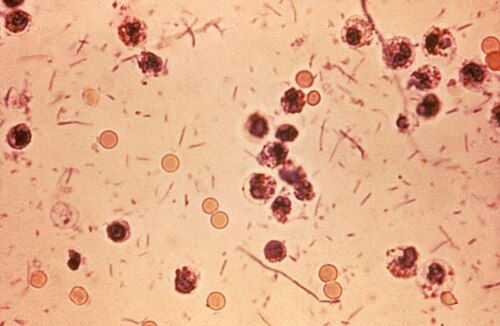
Shigella: Key Facts at a Glance
Shigella is a highly contagious group of bacteria that infects the intestines and causes shigellosis, a diarrheal illness that can turn bloody. As few as ten to one hundred organisms are enough to cause infection. Symptoms typically begin twelve to seventy-two hours after exposure.
- Early symptoms: Sudden high fever, intense abdominal cramps, and feeling unwell, quickly followed by frequent, watery stools.
- Severe cases: Frequent small stools with visible blood and mucus, painful straining, lower abdominal pain, and loss of appetite.
- Treatment: Prompt rehydration is the foundation. Oral rehydration solution is sufficient in the vast majority of cases. For infants and young children, continuing breast milk is especially important.
- When hospital care is needed: Severe dehydration, or persistent vomiting that prevents drinking, requires intravenous fluids immediately.
- Handwashing: Wash hands with soap and clean, running water for at least twenty seconds after using the restroom, after changing diapers, and before handling food.
- At home: Throw away soiled diapers in covered bins, wash raw fruits and vegetables thoroughly, and drink only treated or boiled water.
- School and daycare: Children with symptoms should be kept away from school until they are free of the infection.
Modern Public Health Challenges of Shigella
The genus Shigella represents a major group of Gram-negative, rod-shaped bacteria that are primarily responsible for bacillary dysentery, a severe form of diarrheal illness known clinically as shigellosis. This microscopic pathogen is exceptionally infectious, requiring only a tiny number of viable cells—often as few as ten to one hundred organisms—to successfully pass through the hostile, acidic environment of the stomach and establish a highly destructive colonization within the human large intestine. Because of its microscopic size and massive transmission potential, Shigella has become a premier focus of global gastrointestinal research, particularly in developing regions where sanitation infrastructure remains fragile and access to clean drinking water is critically restricted. Epidemiological studies demonstrate that the vast majority of severe cases are concentrated among pediatric populations, particularly children under five years of age, who suffer the highest rates of morbidity and mortality due to rapid dehydration and systemic complications. Over the past several decades, the persistent emergence of multi-drug resistance within these bacterial strains has severely complicated standard therapeutic protocols, transforming what was once a manageable gastrointestinal infection into a formidable threat to modern antimicrobial medicine. Consequently, understanding the complex cellular mechanics, evolutionary epidemiology, and prevention strategies associated with Shigella is of paramount importance for healthcare providers, clinical researchers, and international public health organizations.
Clinical Manifestations and the Course of Shigella Infections
Recognizing the Onset of the Infection
A primary Shigella infection, which is initiated by the invasive bacteria shigella, typically begins abruptly after a brief incubation period of approximately twelve to seventy-two hours, although symptoms can sometimes delay their presentation for up to an entire week. The earliest clinical signs are often characterized by a sudden onset of high fever, intense abdominal cramps, and generalized malaise, which are quickly followed by the passage of frequent, watery stools. In many patients, particularly those infected with milder species, the disease may remain limited to this initial watery phase, resolving spontaneously within several days without progress to severe invasive manifestations. However, in more severe cases, the clinical picture evolves rapidly as the pathogen invades and damages the colonic mucosa, leading to the classic presentation of bacillary dysentery. This state is defined by the frequent passage of small-volume stools that are densely laden with visible blood, inflammatory cells, mucus, and mucosal debris. Patients experiencing this advanced stage of the illness suffer from extreme tenesmus—an agonizing, unproductive straining to empty the bowels—accompanied by persistent lower abdominal pain and severe loss of appetite. While most immunocompetent individuals manage to recover fully from their symptoms within five to seven days with supportive care, the clinical course can become prolonged and life-threatening in vulnerable patient populations, including malnourished infants, older people with pre-existing conditions, and patients living with compromised immune systems.
Severe Complications and Systemic Impact
Identifying Severe shigella symptoms in High-Risk Patients
While gastrointestinal symptoms dominate the clinical presentation, Shigella can trigger a wide range of severe, life-threatening complications that extend far beyond the boundaries of the digestive tract. The rapid loss of fluids and essential electrolytes through severe diarrhea can quickly result in profound dehydration, causing circulatory collapse, hypovolemic shock, and acute prerenal kidney failure, especially in young children who lack physiological reserves. Furthermore, the extensive mucosal ulceration and tissue destruction caused by the invading organisms can lead to serious intestinal complications, such as colonic perforation, intestinal obstruction, and toxic megacolon—a catastrophic dilation of the colon that carries an extremely high case-fatality rate. In addition to these localized gastrointestinal emergencies, systemic complications can manifest, including bacteremia, which, although rare due to the localized nature of the infection, carries a mortality rate of up to twenty percent when it occurs in severely malnourished or immunocompromised hosts. Neurological symptoms are another major concern, particularly in young children between the ages of two and ten, who frequently experience generalized febrile seizures, severe encephalopathy, stupor, or coma during the acute phase of the infection. In some cases, the illness can also trigger hemolytic uremic syndrome, a devastating hematological emergency characterized by microangiopathic hemolytic anemia, thrombocytopenia, and acute renal failure, which is primarily mediated by the systemic absorption of potent cytotoxins.
Taxonomy, Serogroups, and Epidemiology of Shigella
Exploring the Four Distinct Serogroups
The genus Shigella is phylogenetically classified as a collection of specialized, highly adapted clones of Escherichia coli and is divided into four distinct serogroups based on the specific biochemical characteristics and antigenic structure of their outer membrane lipopolysaccharides. These groups are designated as Serogroup A, Serogroup B, Serogroup C, and Serogroup D, each representing a distinct species with unique epidemiological patterns, geographical distributions, and virulence potentials:
- Serogroup A (Shigella dysenteriae): Comprising fifteen unique serotypes, this species is historically celebrated as the cause of the most devastating and lethal epidemics of bacillary dysentery, particularly in settings characterized by social upheaval, war, or natural disasters. S. dysenteriae type one is especially notorious because it is the only strain within the genus that produces a highly potent, tissue-damaging cytotoxin known as Shiga toxin, which is directly responsible for the development of severe systemic complications like hemolytic uremic syndrome.
- Serogroup B (Shigella flexneri): Containing nineteen distinct serotypes and subserotypes, this highly prevalent species is the primary cause of endemic shigellosis in low- and middle-income countries, where it is responsible for the vast majority of childhood diarrheal deaths and is heavily linked to persistent, long-term malnutrition and growth stunting.
- Serogroup C (Shigella boydii): Comprising twenty unique serotypes, this species is relatively rare on a global scale but remains endemic in specific regions of South Asia and sub-Saharan Africa, where it causes sporadic outbreaks and mild to moderate diarrheal illness.
- Serogroup D (Shigella sonnei): Comprising a single, highly uniform serotype, this species is the predominant cause of endemic gastrointestinal infections in high-income, industrialized nations, where it typically produces a milder, self-limiting form of watery diarrhea that is frequently associated with child care centers, schools, and recreational water facilities.
Global Distribution and Rising Resistance
The Threat of drug resistant shigella Strains
The epidemiology of Shigella is marked by a dramatic geographical divide and a rapidly evolving profile of antimicrobial susceptibility that poses a severe challenge to modern global health systems. In low- and middle-income nations, the transmission of the pathogen is driven by overcrowded living conditions, poor environmental sanitation, and limited access to clean water, leading to hundreds of thousands of deaths annually among pediatric populations. Conversely, in high-income countries, the transmission has shifted from traditional foodborne outbreaks to localized person-to-person spread, particularly among gay, bisexual, and other men who have sex with men, as well as marginalized populations experiencing homelessness. This shift in transmission dynamics has been accompanied by a terrifying rise in antimicrobial resistance, driven by the horizontal transfer of plasmid-encoded resistance genes across different bacterial genera. Strains that were once easily treated with first-line antibiotics are now increasingly resistant to fluoroquinolones, third-generation cephalosporins, and azithromycin, leading to the emergence of extensively drug-resistant phenotypes. This rising resistance not only prolonged the duration of illness and increased healthcare costs but also restricted the available therapeutic options to expensive, parenteral carbapenems, highlighting the urgent need for coordinated global surveillance and the development of effective preventive vaccines.
Cellular Pathophysiology and Virulence Mechanisms of Shigella
The Invasion of the Colonic Epithelium
The remarkable pathogenicity of Shigella lies in its sophisticated capacity to invade, survive within, and destroy the epithelial cells lining the human colon and rectum, a process that triggers an intense, destructive inflammatory response. After surviving the stomach’s gastric acidity, the bacteria multiply in the small intestine before entering the colon, where they initiate their invasion by targeting the specialized follicle-associated epithelial M cells. Because the bacteria cannot directly invade the apical surface of enterocytes, they utilize the M cells as a portal of entry to cross the mucosal barrier and access the underlying sub-epithelial space. Once they reach the basolateral side, they are engulfed by resident macrophages; however, Shigella rapidly evades destruction by triggering macrophage apoptosis, a process that releases high levels of pro-inflammatory cytokines like interleukin-one and interleukin-eight into the surrounding tissue. This cellular destruction and cytokine release initiate a massive recruitment of polymorphonuclear neutrophils to the site of infection, which migrate through the epithelial junctions, destabilizing the mucosal barrier and allowing more bacteria to directly access the basolateral membranes of adjacent enterocytes.
Intracellular Replication and Intercellular Spread
The Role of the Virulence Plasmid in shigella infection
Once Shigella gains access to the basolateral surface of enterocytes, it utilizes a conserved Type Three Secretion System, encoded on a large virulence plasmid, to inject specialized effector proteins directly into the host cell cytoplasm. These effectors reorganize the host cell’s actin cytoskeleton, inducing membrane ruffling and prompting the endocytic uptake of the bacteria into a membrane-bound vacuole. The pathogen quickly escapes this vacuole, entering the cytoplasm where it replicates rapidly and exploits the host’s cellular machinery to facilitate its movement. By inducing the localized polymerization of host actin filaments at one pole of the bacterial cell, Shigella creates a tail-like structure that propels it forward through the cytoplasm, allowing it to push against the host cell membrane and invade neighboring enterocytes without entering the extracellular space. This continuous, cell-to-cell spread allows the infection to propagate rapidly through the mucosal layer, leading to widespread epithelial desquamation, tissue necrosis, and the formation of characteristic micro-ulcers. The resulting inflammatory battleground, filled with dead host cells, red blood cells, and migrating neutrophils, produces the classic hemorrhagic and purulent stools that characterize severe cases of bacillary dysentery.
| Virulence Factor | Genetic Location | Primary Cellular Mechanism | Clinical and Pathological Manifestation |
| Type Three Secretion System | Large Virulence Plasmid | Injects bacterial effector proteins into the host cell cytoplasm | Induces host membrane ruffling, facilitating intracellular entry and vacuole escape |
| IcsA (VirG) Protein | Large Virulence Plasmid | Promotes localized polymerization of host actin at the bacterial pole | Facilitates intracellular motility and direct cell-to-cell spread of the pathogen |
| Shiga Toxin (Stx) | Chromosomal (Phage-encoded) | Inhibits eukaryotic protein synthesis by targeting the 28S rRNA | Causes direct endothelial injury, leading to severe systemic complications like hemolytic uremic syndrome |
| Shigella Enterotoxins (ShET1/2) | Chromosome / Plasmid | Disrupts fluid and electrolyte transport across the mucosal epithelium | Mediates the initial watery diarrhea phase that often precedes classic dysentery |
Clinical Diagnosis and Laboratory Identification of Shigella
Stool Culture and Microscopic Examination
A definitive diagnosis of a Shigella infection cannot be established solely on the basis of clinical symptoms, as many other invasive enteric pathogens can produce an identical clinical syndrome of fever, abdominal pain, and bloody stools. Therefore, laboratory identification remains a critical component of clinical management, requiring the collection and analysis of a fresh stool sample, which is significantly superior to rectal swabs. Microscopic examination of the fecal material frequently reveals sheets of polymorphonuclear leukocytes and red blood cells, a finding that strongly suggests an invasive bacterial etiology but does not distinguish Shigella from Campylobacter or enteroinvasive Escherichia coli. To achieve a definitive diagnosis, the stool specimen must be inoculated onto selective plating media, such as MacConkey agar and Xylose-Lysine-Desoxycholate agar, which allow for the isolation of characteristic non-lactose-fermenting, colourless colonies. Because the pathogen is exceptionally sensitive to environmental conditions and dies rapidly when dried or exposed to direct sunlight, specimens must be processed within two hours of collection or placed in Cary-Blair transport medium and kept refrigerated at four degrees Celsius during transit.
Molecular Diagnostics and Susceptibility Testing
In modern clinical settings, the diagnostic landscape has been revolutionized by the widespread implementation of culture-independent diagnostic tests, such as multiplex polymerase chain reaction panels, which can rapidly detect Shigella genetic material within a matter of hours. While these molecular assays offer unprecedented sensitivity and speed, they carry a major limitation: they cannot distinguish between enteroinvasive Escherichia coli and Shigella species, nor do they provide physical bacterial isolates for antimicrobial susceptibility testing. Consequently, maintaining a robust capacity for traditional stool culture remains absolutely vital for public health surveillance, allowing reference laboratories to perform serological agglutination testing to identify specific species and track the emergence of drug resistance. Determining the exact susceptibility profile of each isolate is critical for guiding clinicians in selecting an effective antibiotic regimen, especially in an era marked by the rapid global dissemination of plasmid-mediated resistance to fluoroquinolones and cephalosporins.
Therapeutic Management and Supportive Care for Shigella
Rehydration and Electrolyte Repletion
The foundational element of managing Shigella infections, as with all acute diarrheal illnesses, is prompt and aggressive rehydration therapy to replace lost water and essential electrolytes, thereby preventing the onset of life-threatening dehydration. In the vast majority of cases, oral rehydration therapy utilizing standard Oral Rehydration Salts solutions is highly effective and completely sufficient to correct mild to moderate fluid losses, eliminating the need for expensive and invasive intravenous protocols. For infants and young children, the continued administration of breastmilk is exceptionally important, as it provides vital immunological protection, shortens the duration of the illness, and helps to preserve the child’s nutritional status during the acute phase of the infection. In cases of severe dehydration, hypovolemic shock, or when the patient is unable to tolerate oral fluids due to persistent vomiting, intravenous rehydration utilizing Ringer’s lactate or normal saline must be initiated immediately, with close monitoring of serum electrolytes to prevent the development of severe hyponatremia or hypokalemia.
Judicious Antimicrobial Intervention
While mild, uncomplicated cases of shigellosis are typically self-limiting and resolve within a week with simple supportive measures, antibiotic therapy is strongly indicated for patients with severe symptoms, bloody diarrhea, or those at high risk of severe disease, including young children, older people, and immunocompromised hosts. Judicious antimicrobial treatment serves to shorten the duration of fever and diarrhea by approximately two days, accelerate the clearance of the pathogen from the stool, and significantly reduce the risk of secondary transmission within households and institutions. Currently, oral ciprofloxacin is the universally recommended first-line drug of choice for all age groups, as its clinical benefits in preventing life-threatening complications far outweigh the minimal risk of joint toxicity observed in immature animal models. However, in regions characterized by high rates of fluoroquinolone resistance, or when managing patients with documented treatment failure, alternative options such as azithromycin, ceftriaxone, or oral pivmecillinam must be utilized, strictly guided by localized susceptibility data to avoid further driving the selection of multi-drug-resistant strains.
Clinical Practice Note on Antimotility Agents: Under no circumstances should antimotility drugs, such as loperamide or diphenoxylate, be administered to patients with suspected Shigella infections. By slowing intestinal peristalsis, these agents increase the contact time between the potent bacterial toxins and the colonic mucosa, significantly worsening the severity of the tissue damage and dramatically increasing the risk of lethal complications, such as toxic megacolon and systemic sepsis.
Preventive Strategies and Public Health Interventions for Shigella
Community Hygiene and Water Sanitation
Because humans are the sole natural reservoir for Shigella, preventing the spread of the pathogen relies entirely on breaking the chain of fecal-oral transmission through comprehensive, community-wide public health interventions and strict personal hygiene practices. The most effective and low-cost measure to prevent transmission is the rigorous promotion of handwashing with soap and clean, running water at critical times, including after using the toilet, after changing diapers, before preparing food, and before eating. On a community level, ensuring universal access to safe, piped drinking water through proper municipal chlorination and maintaining robust, closed sewage systems to prevent the contamination of agricultural fields and water sources are vital steps to eliminate the environmental reservoirs of the bacteria. Additionally, environmental control measures, such as proper fly control, regular cleaning of food markets, and the safe disposal of human waste through the construction of ventilated improved pit latrines, are highly effective in reducing the incidence of Shigella outbreaks in both rural and overcrowded urban settings.
Targeted Interventions and Vaccine Research
Preventing the Spread of shigella infections in Priority Settings
In addition to broad sanitation measures, preventing the spread of Shigella requires highly targeted interventions in specific high-risk settings, such as early childhood education centers, long-term care facilities, and marginalized communities experiencing homelessness, where close contact facilitates rapid transmission. In these environments, implementing strict infection control protocols, including the separate cohorting of ill individuals, daily disinfection of shared surfaces with chlorine-based solutions, and temporary exclusion of symptomatic food handlers from work, is critical to containing localized outbreaks. Furthermore, as sexual transmission represents a major route of spread among specific adult populations in industrialized countries, targeted health education focusing on safe sexual practices, including the use of barriers and avoiding sexual contact during and for two weeks after diarrheal illness, is essential. Ultimately, while public health education and sanitation are highly effective, the long-term global control of Shigella will require the licensing and widespread implementation of an affordable, multivalent vaccine capable of providing broad, serotype-specific protection to infants and young children in endemic regions. These essential and timely interventions are designed to protect local communities, enhance overall patient safety, and significantly reduce the catastrophic burden of infectious diarrheal diseases across all high-risk populations worldwide.
Frequently Asked Questions
What is shigella?
The infectious agent Shigella is a highly contagious group of Gram-negative, facultative intracellular bacteria belonging to the family Enterobacteriaceae that primarily infects the human intestinal tract. This microscopic pathogen is responsible for causing shigellosis, an acute diarrheal illness that ranges from mild, watery stools to severe, life-threatening bacillary dysentery. Because humans are the only natural reservoir, this bacterial genus has evolved sophisticated cellular mechanisms to invade the colonic epithelium, survive intracellularly, and spread directly from cell to cell, leading to extensive tissue inflammation, mucosal ulceration, and severe abdominal cramping.
How can people prevent shigella?
People can prevent Shigella infections by consistently practicing meticulous personal hygiene and implementing robust environmental sanitation measures within their households. The most effective individual strategy is thorough and regular handwashing with soap and clean, running water for at least twenty seconds, particularly after using the restroom, changing diapers, and before handling or consuming any food. Additionally, families can reduce their risk by consuming only treated, chlorinated, or boiled drinking water, thoroughly washing raw fruits and vegetables, throwing away soiled diapers in covered bins, and avoiding recreational swimming in natural bodies of water that are not monitored by local public health officials.
How is shigella transmitted?
The pathogen Shigella is transmitted primarily through the fecal-oral route, whereby microscopic amounts of the bacteria present in the stool of an infected individual are accidentally ingested by another person. Because the infectious dose of this pathogen is incredibly low, requiring as few as ten to one hundred bacterial cells to cause disease, it can spread with extreme ease through direct person-to-person contact, including close household caregiving or sexual activity involving exposure to fecal matter. Furthermore, the bacteria can be transmitted indirectly through the consumption of contaminated food or water, by touching contaminated surfaces like door handles and toilet fixtures, or via mechanical vectors such as houseflies that transfer the organism from feces to ready-to-eat meals.
How do you get shigella?
You get Shigella when you accidentally swallow the microscopic bacteria, which can happen through various daily activities if hygiene and sanitation standards are not strictly maintained. For example, you can contract the infection by eating food that has been harvested from fields contaminated with sewage, prepared by an infected food handler who did not wash their hands, or left uncovered and exposed to flies. Similarly, you can acquire the pathogen by drinking contaminated surface water, swallowing water while swimming in lakes or poorly chlorinated pools, or by touching a contaminated surface and then touching your mouth before thoroughly washing your hands.
How to prevent shigella?
To prevent Shigella infections on a larger scale, communities must focus on improving public sanitation infrastructure and raising awareness about safe food and water handling practices. This involves establishing secure, piped drinking water systems that undergo regular chlorination, constructing sanitary waste disposal facilities like ventilated improved pit latrines, and enforcing strict regulations on food safety in public markets and restaurants. On a personal level, individuals must maintain good hygiene, practice safe sex by using barrier methods and avoiding contact during or immediately after diarrheal illness, and ensure that symptomatic children and workers are kept away from schools and food handling occupations until they are completely free of the pathogen.
The following posts may interest you
Campylobacter: Symptoms, Treatment & Prevention
Cryptosporidiosis: Symptoms, Causes, and Treatment Guide
Pinworms: Symptoms, Causes, and Effective Treatments
Disclaimer: The content provided on BabyKidsHealth.com is for informational purposes only and is not intended as a substitute for professional medical advice, diagnosis, or treatment. Always seek the advice of your physician or other qualified health provider with any questions you may have regarding a medical condition.
Sources
About Shigella Infection (Centers for Disease Control and Prevention, CDC)
https://www.cdc.gov/shigella/about/index.html
Shigella Infections (American Academy of Pediatrics, HealthyChildren.org)
Shigella infections in children: New insights
https://www.sciencedirect.com/science/article/abs/pii/S1045187004000548
Shigellosis : challenges & management issues
https://www.proquest.com/openview/3bfc5251fa084d4ce5b15cdec6ec3adf/1?pq-origsite=gscholar&cbl=37533
Gastrointestinal and Extra-Intestinal Manifestations of Childhood Shigellosis in a Region Where All Four Species of Shigella Are Endemic
https://journals.plos.org/plosone/article?id=10.1371/journal.pone.0064097
Shigellosis
https://www.sciencedirect.com/science/chapter/edited-volume/abs/pii/B978032355512800048X
Epidemiology of Highly Endemic Multiply Antibiotic-Resistant Shigellosis in Children in the Peruvian Amazon
Clinical and Microbiological Profiles of Shigellosis in Children
https://pmc.ncbi.nlm.nih.gov/articles/PMC4438687
Shigella and childhood stunting: Evidence, gaps, and future research directions
https://journals.plos.org/plosntds/article?id=10.1371/journal.pntd.0011475
Shigellosis
https://www.thelancet.com/article/S0140-6736(25)01033-5/abstract
Diarrhea associated with Shigella in children and susceptibility to antimicrobials
https://www.scielo.br/j/jped/a/pGPcrLZJp5PRFQHbZQQxZbz/?format=html&lang=en
Central Nervous System Manifestations of Childhood Shigellosis: Prevalence, Risk Factors, and Outcome
Antibiotics in the Management of Shigellosis in Children: What Role for the Quinolones?
https://academic.oup.com/cid/article-abstract/11/Supplement_5/S1145/331830