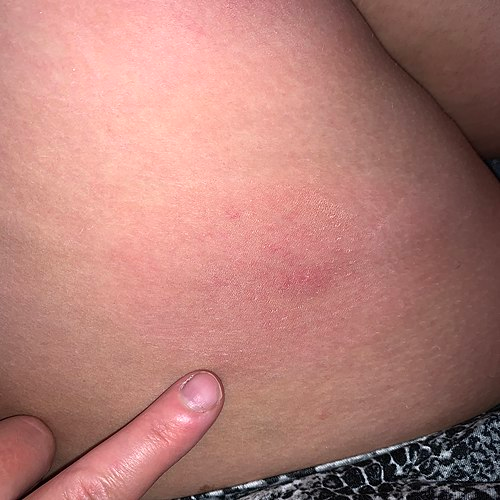
Skeeter Syndrome: Key Facts at a Glance
Skeeter syndrome is an exaggerated local allergic reaction to proteins in mosquito saliva. It is most common in infants, toddlers, and young children. It causes large swelling, heat, redness, and intense itching around a bite, but it is generally not dangerous or life-threatening.
- Symptoms: Swelling that often reaches more than two to three inches across (sometimes 5 to 20 centimeters), skin that is red and hot to the touch, severe itching, and sometimes a hard, painful area. Low-grade fever or swollen lymph nodes are rare.
- How long it lasts: Swelling, heat, and redness typically peak within the first 24 to 48 hours. The area may take three to ten days to heal completely.
- Skeeter syndrome or infection? Skeeter syndrome appears within a few hours of the bite (typically 8 to 10 hours). Cellulitis, a bacterial skin infection, progresses gradually over several days, keeps spreading, and commonly causes high fever and chills.
- Treatment: A cold compress for 10 to 15 minutes at a time and 1% hydrocortisone cream can reduce swelling and itching. In extreme cases a doctor may prescribe a short course of oral steroids.
- Avoid scratching: Scratching can tear the skin and let bacteria in, which can cause a secondary infection such as cellulitis that needs antibiotics.
- Prevention: Empty standing water, dress children in loose, light-colored clothing that covers the arms and legs, use fine-mesh netting over strollers, and apply EPA-registered repellents with DEET, picaridin, or oil of lemon eucalyptus according to the age guidelines on the label.
- Outlook: Many children outgrow the most severe reactions as their immune systems mature.
- A Comprehensive Guide to Understanding Skeeter Syndrome
- What Exactly is Skeeter Syndrome?
- Recognizing Skeeter Syndrome
- Differentiating Skeeter Syndrome from Infections
- Causes and Risk Factors
- Clinical Evaluation
- Managing Skeeter Syndrome
- Prevention of Skeeter Syndrome
- Frequently Asked Questions
- Scientific Sources
A Comprehensive Guide to Understanding Skeeter Syndrome
Welcome to the ultimate resource for understanding Skeeter Syndrome, an intense and often alarming immune response to what many consider a harmless insect encounter. For most individuals, a mosquito encounter results in a minor, temporary nuisance. However, for a specific subset of the population—particularly infants, toddlers, and young children with developing immune systems—the aftermath of this common insect encounter can be far more severe. This exaggerated local allergic reaction can cause significant distress, leading parents and patients alike to seek answers, reassurance, and effective management strategies.
In this extensive guide, we will explore the science behind Skeeter Syndrome, delve into the precise immunological mechanisms that trigger these massive inflammatory responses, and provide actionable, evidence-based advice for soothing irritated skin. We will also examine the critical differences between a standard bug reaction and a secondary bacterial infection, ensuring that you have the knowledge needed to seek appropriate medical care when necessary.
What Exactly is Skeeter Syndrome?
Skeeter Syndrome is medically defined as an exaggerated local inflammatory reaction to the proteins present in mosquito saliva. When a female mosquito pierces the skin to feed, she injects a tiny amount of saliva containing various proteins and enzymes. These proteins serve an evolutionary purpose for the insect, primarily acting as an anticoagulant to prevent the blood from clotting while she feeds.
For the average person, the immune system recognizes these foreign proteins and mounts a mild defense, resulting in a small, itchy bump that fades within a day or two. However, in individuals with Skeeter Syndrome, the immune system identifies these salivary proteins as a severe threat, launching an aggressive and disproportionate counterattack.
Exploring the allergic reaction to mosquito bites
This intense counterattack is mediated by the body’s immune cells. When the mosquito saliva is introduced, the body produces specific allergic antibodies, known as immunoglobulin E (IgE), as well as immunoglobulin G (IgG). These antibodies trigger allergy cells, called mast cells, to release massive amounts of inflammatory chemicals, primarily histamine.
The science behind allergy to mosquito bites
The sudden release of histamine causes the blood vessels in the localized area to dilate and leak fluid into the surrounding tissues, resulting in the classic signs of acute inflammation: swelling (tumor), heat (calor), redness (rubor), and pain or intense itching (dolor). Because the salivary proteins generally remain localized within the skin tissues, the allergic response is typically confined to the bite area, meaning that systemic, body-wide reactions (like anaphylaxis) are exceedingly rare.
Recognizing Skeeter Syndrome
Identifying Skeeter Syndrome early is crucial for implementing effective relief measures and preventing secondary complications. The physical presentation of this condition can be quite dramatic, often mimicking more serious skin infections.
Detailing Skeeter syndrome symptoms
The clinical presentation of this condition goes far beyond a simple itchy spot. The hallmark Skeeter syndrome symptoms include:
- Massive Swelling: The affected area can expand significantly, often reaching more than two to three inches in diameter, and in some cases, spanning 5 to 20 centimeters across a limb.
- Intense Heat and Redness: The skin becomes highly inflamed, turning a deep red or darkened color, and feels noticeably hot to the touch.
- Severe Pruritus (Itching): The urge to scratch is overwhelming and can severely interfere with sleep, focus, and daily activities.
- Pain and Induration: The swollen area may become hard (indurated) and physically painful or tender, especially if the swelling occurs near a joint or over tight skin.
- Systemic Signs (Rare): Occasionally, individuals may experience low-grade fevers, swollen lymph nodes, or general malaise, though these are less common.
Identifying a Skeeter syndrome blister
In particularly severe cases, or in individuals with highly sensitive skin, the intense inflammation can lead to fluid accumulation just beneath the top layer of the skin. This results in the formation of a Skeeter syndrome blister (or bulla) right at the center of the swollen area. These blisters can range from 1 to 5 centimeters in size and are a key distinguishing feature of this specific allergic pathway.
The impact of a Skeeter syndrome face
When a bite occurs on delicate, loose tissue, the swelling can be exceptionally pronounced. A Skeeter syndrome face reaction—particularly around the eyelids, lips, or cheeks—can cause an eye to swell completely shut or distort facial features temporarily. While aesthetically alarming and highly uncomfortable, these facial reactions follow the same immunological process and usually subside with proper care.
Differentiating Skeeter Syndrome from Infections
One of the greatest challenges for parents and patients is distinguishing this allergic reaction from cellulitis, a potentially dangerous bacterial skin infection.
Understanding skeeter syndrome vs normal bite
While a normal bite forms a small papule within minutes and resolves quickly, Skeeter Syndrome evolves rapidly over a few hours and creates a massive zone of inflammation.
Analyzing mosquito bite swelling and mosquito bites swelling
To help clarify the differences between standard mosquito bite swelling, severe mosquito bites swelling, and infectious cellulitis, consider the following clinical guidelines:
| Clinical Feature | Normal Reaction | Skeeter Syndrome | Cellulitis (Bacterial Infection) |
| Onset Time | Minutes after the bite | Within a few hours (typically 8-10 hours) | Gradual progression over several days |
| Primary Sensation | Mild, temporary itching | Intense, overwhelming itching and warmth | Severe pain, extreme tenderness, increasing warmth |
| Size & Spread | Small bump (under 5mm) | Large local reaction (5cm to 20cm), stabilizes after 1-2 days | Continues to spread and expand relentlessly over time |
| Visual Appearance | Small, pale or pink bump | Large, red, puffy area; possible central clear blister | Red streak spreading towards the heart, potential pus |
| Systemic Symptoms | None | Rare (occasional low-grade fever or mild lymph node swelling) | Common (high fever, chills, significant lethargy) |
Important Clinical Note: Because it is visually impossible to differentiate between infectious inflammation and allergic inflammation through casual observation alone, noting the timing of the reaction is paramount. Infections take days to incubate and spread, whereas allergic histamine releases happen within hours of the initial insect encounter.
Causes and Risk Factors
Understanding who is most vulnerable to this condition can aid in proactive prevention, particularly for vulnerable populations like young children.
Understanding mosquito bites allergy
A mosquito bites allergy is fundamentally a hypersensitivity disorder. Research indicates that certain demographics are significantly more prone to developing this exaggerated response.
Triggers for mosquito bite allergy
The primary risk factors for developing a severe mosquito bite allergy include:
- Young Age: Infants and toddlers are the most frequently affected demographic. Because their immune systems have not had a lifetime of exposure to insect saliva, they are unable to mount a normalized, tolerant response. Over time, as children grow and experience more bites, natural desensitization often occurs, and the severity of the reactions lessens.
- Atopic Predisposition: Individuals who suffer from other allergic conditions—such as seasonal allergic rhinitis (hay fever), asthma, eczema, or food allergies—have a genetically hyperactive immune system. Studies have shown that up to 50% of children presenting with Skeeter Syndrome have an underlying atopic disease.
- Novel Exposure: Traveling to a new geographic region exposes individuals to entirely different species of insects, complete with novel salivary proteins. Even adults who rarely react at home might experience Skeeter Syndrome while on holiday due to this lack of specific immunity.
- Immune System Status: Individuals with certain immune deficiencies or underlying health conditions may experience more profound reactions due to altered immune regulatory mechanisms.
Clinical Evaluation
If you suspect you or a loved one is suffering from this condition, a professional medical evaluation can provide peace of mind and access to prescription-strength relief.
The process of Skeeter syndrome diagnosis
A formal Skeeter syndrome diagnosis is primarily clinical. A healthcare provider will take a detailed patient history, asking specifically about the timeline of the bite and the rapid onset of the swelling. Because commercially available specific IgE blood tests or skin prick tests for insect saliva are notoriously insensitive and limited to very few species, doctors rarely rely on laboratory testing for a standard diagnosis. Instead, the presence of a massive induration appearing within 24 hours of an outdoor excursion is usually sufficient for a diagnosis.
The role of Skeeter syndrome photos in telemedicine
In the modern era of digital health, providing visual timelines is incredibly helpful. Taking progressive Skeeter syndrome photos every few hours can help a pediatrician or allergist visually track the speed of the swelling, which aids immensely in ruling out a slow-moving bacterial infection during a telehealth consultation.
Managing Skeeter Syndrome
While the visual impact of the reaction can be distressing, the good news is that the condition is highly manageable.
Is there a cure for skeeter syndrome?
Currently, there is no permanent, definitive cure for skeeter syndrome in the traditional sense. Because it is an immune-mediated allergy, the body dictates the response. However, the condition is usually self-limiting, and many children naturally “outgrow” the most severe reactions as their immune systems mature and naturally desensitize through repeated seasonal exposure.
Effective skeeter syndrome treatment
A robust skeeter syndrome treatment plan focuses entirely on aggressive symptom management and protecting the skin barrier from secondary damage. Standard protocols include:
- Oral Antihistamines: Second-generation, non-drowsy antihistamines like cetirizine (Zyrtec), fexofenadine (Allegra), or loratadine (Claritin) are the cornerstone of treatment. These medications block the histamine receptors, halting the inflammatory cascade from the inside out.
- Topical Corticosteroids: Applying a 1% hydrocortisone cream directly to the inflamed area can significantly reduce localized redness and swelling.
- Oral Corticosteroids: In extreme cases—such as when the swelling impedes vision, restricts joint movement, or causes immense pain—a doctor may prescribe a short course of oral steroids to forcefully shut down the allergic response.
- Infection Prevention: If a child scratches the itchy area relentlessly, the broken skin can invite normal skin bacteria inside, leading to a secondary infection. Keeping fingernails trimmed short, washing the bite site gently with soap and water, and applying an over-the-counter antibiotic ointment to open sores is highly recommended.
Finding fast skeeter syndrome relief
For immediate, at-home skeeter syndrome relief, cooling the skin is highly effective. Applying a cold compress or an ice pack wrapped in a soft cloth directly to the bite for 10-15 minute intervals constricts the local blood vessels, dramatically reducing both the swelling and the burning itch. Additionally, applying a thick paste made of baking soda and water, or using soothing oatmeal-based or calamine lotions, can draw out heat and provide temporary comfort.
Prevention of Skeeter Syndrome
The absolute most effective strategy for managing Skeeter Syndrome is diligent prevention. If you can stop the bite, you stop the reaction.
Special Considerations for Skeeter Syndrome in Children
Because young children are the primary demographic for these severe reactions, parents must take an active role in environmental management. Creating a protective barrier around the child is essential.
- Eliminate Breeding Grounds: Female insects require stagnant, still water to lay their eggs. Routinely inspect your yard, patio, and play areas to empty pooling water in flowerpots, wading pools, clogged gutters, buckets, and birdbaths.
- Physical Barriers: Dress children in loose-fitting, light-colored clothing that covers the arms and legs entirely. Dark and bright colors are known attractants. For infants in strollers or carriers, utilize fine-mesh netting to create an impenetrable physical shield. Ensure all home window and door screens are completely free of tears or holes.
- Chemical Repellents: When venturing outdoors—especially during the peak activity hours of dawn and dusk—apply EPA-registered insect repellents. Products containing DEET, picaridin, or oil of lemon eucalyptus are highly effective. Always follow the specific age guidelines on the product label; for example, certain eucalyptus oils should not be used on children under three years of age.
- Clothing Treatments: For outdoor enthusiasts, treating clothing, shoes, and camping gear with permethrin provides a long-lasting, insecticidal barrier that remains effective even after multiple washes.
By understanding the physiological roots of this intense allergy and maintaining a proactive stance on prevention and treatment, families can safely navigate the warmer months without the constant fear of severe inflammatory reactions.
Frequently Asked Questions
What is skeeter syndrome?
Skeeter Syndrome is an exaggerated, localized allergic reaction to the specific proteins and enzymes found in mosquito saliva. Instead of developing a typical small, mildly itchy bump, individuals with this syndrome experience massive swelling, intense heat, deep redness, and severe itching that can spread several inches across the skin. This condition is an immune system hypersensitivity, most commonly observed in young children who have not yet developed a natural tolerance, as well as in individuals with a personal or family history of other atopic allergies like asthma or eczema.
How to treat skeeter syndrome?
Treating Skeeter Syndrome effectively requires a combination of oral and topical therapies aimed at calming the hyperactive immune response. Doctors frequently recommend taking second-generation oral antihistamines, such as cetirizine or loratadine, to internally block the histamine causing the massive swelling and itching. Topically, applying hydrocortisone cream and using regular cold compresses or ice packs can provide immediate, soothing relief to the hot, inflamed skin. In the most extreme cases, a healthcare provider may prescribe a short, controlled course of oral corticosteroids to rapidly reduce the inflammation.
Is skeeter syndrome dangerous?
Generally, Skeeter Syndrome is not inherently dangerous or life-threatening, as the severe allergic reaction remains localized strictly to the skin tissues surrounding the bite area. It does not typically trigger systemic anaphylaxis, meaning it will not cause the sudden airway constriction or dangerous blood pressure drops associated with severe food allergies. However, the condition can become problematic if the intense itching leads to excessive scratching, which tears the skin barrier and allows bacteria to enter, potentially causing a dangerous secondary bacterial infection like cellulitis that requires antibiotic treatment.
How long does skeeter syndrome last?
The timeline for Skeeter Syndrome is noticeably longer than that of a standard insect reaction, often causing prolonged discomfort for the patient. The massive swelling, heat, and redness typically peak within the first 24 to 48 hours after the initial saliva injection occurs. Following this peak, the most severe symptoms will gradually subside, but the affected area may take anywhere from three to ten full days to completely heal and return to its normal state, depending on the individual’s immune system and whether the skin was protected from further irritation.
The following posts may interest you
Mosquito Bites: Symptoms, Prevention, and Best Relief Guide
West Nile Virus (WNV): Symptoms, Risks, and Prevention
Eastern Equine Encephalitis Virus (EEEV): Symptoms, Risks
Disclaimer: The content provided on BabyKidsHealth.com is for informational purposes only and is not intended as a substitute for professional medical advice, diagnosis, or treatment. Always seek the advice of your physician or other qualified health provider with any questions you may have regarding a medical condition.
Sources
About Mosquito Bites (Centers for Disease Control and Prevention, CDC)
https://www.cdc.gov/mosquitoes/about/about-mosquito-bites.html
Insect Bites & Stings in Children (American Academy of Pediatrics, HealthyChildren.org)
Skeeter syndrome
https://www.jacionline.org/article/S0091-6749(99)70348-9/fulltext
A rare allergic disease due to mosquito bite: Skeeter syndrome
A MINI-REVIEW ON SKEETER SYNDROME OR LARGE LOCAL ALLERGY TO MOSQUITO BITES
https://journals.ekb.eg/article_77796.html
Local intense and systemic reactions to Aedes albopictus (Diptera, Culicidae) bites: a clinical case report
https://link.springer.com/article/10.1007/s13149-010-0094-4
An Aedes–Anopheles Vaccine Candidate Supplemented with BCG Epitopes Against the Aedes and Anopheles Genera to Overcome Hypersensitivity to Mosquito Bites
https://link.springer.com/article/10.1007/s11686-023-00771-1
Mosquito allergy: Clinical features and natural course
https://onlinelibrary.wiley.com/doi/abs/10.1111/j.1346-8138.2010.00958.x
A SEVERE ADVERSE DRUG REACTION (ADR) TO REGEN-COV (CASIRIVIMAB AND IMDEVIMAB)
https://www.sciencedirect.com/science/article/pii/S1081120622014661
A review on Respiratory allergy caused by insects
https://pmc.ncbi.nlm.nih.gov/articles/PMC6563666
Image: By Nurse90 – Took a photo of my own leg after being bitten by a mosquito., CC BY-SA 4.0, https://en.wikipedia.org/w/index.php?curid=65125061
https://en.wikipedia.org/wiki/Mosquito_bite_allergy#/media/File:Severe_mosquito_bite_reaction.jpeg