- The Ultimate Guide to Understanding and Treating Flea Bites
- The Biological Mechanics and Impact of Flea Bites
- The Global Epidemiology of Flea Bites
- Zoonotic Risks Associated with Flea Bites
- Advanced Treatment Protocols
- Historical Context and Scientific Research
- Moving Forward: Living Free from Flea Bites
- Frequently Asked Questions
- Scientific Sources
The Ultimate Guide to Understanding and Treating Flea Bites
Encountering Flea Bites can be a highly distressing and uncomfortable experience for absolutely anyone. These extremely tiny, wingless parasites feed exclusively on the blood of warm-blooded hosts, and their unexpected bites often lead to severe itching, localized discomfort, and numerous potential health complications. Understanding the fundamental nature of Flea Bites is the very first and most crucial step toward achieving effective eradication and lasting relief. Whether you have domestic pets inside your home or not, these resilient parasites can easily infiltrate your living spaces, hiding deep within carpet fibers, upholstered furniture, and your cozy bedding. By dedicating your time to educating yourself on the specific symptoms, the biological vectors involved, and the environmental factors that promote infestations, you can effectively safeguard your household and completely prevent future issues. It is incredibly important to address an infestation immediately to prevent a massive population explosion within your home.
The Biological Mechanics and Impact of Flea Bites
The overall impact of Flea Bites extends far beyond simple, temporary skin irritation. When a flea actively pierces the human skin, it immediately injects its saliva, which contains powerful anticoagulants; this specific biological mechanism prevents the host’s blood from clotting and allows the tiny insect to feed continuously without interruption. This foreign saliva is rapidly recognized by the human immune system as a dangerous allergen, subsequently triggering the immediate release of histamine into the bloodstream. This specific histamine response is exactly what causes the intense, maddening itchiness and the localized swelling that is universally associated with Flea Bites. In some sensitive individuals, and particularly among young children, the allergic reaction can be quite severe, often leading to secondary bacterial skin infections if the irritated bites are scratched repeatedly by dirty fingernails. Therefore, it is absolutely essential to avoid scratching the affected areas to prevent breaking the delicate skin barrier.
Recognizing the Dangers and Ecology of Flea Bites
To fully and comprehensively grasp the mechanical nature of Flea Bites, one must look deeply into the fascinating biology of the flea itself. Fleas are incredibly resilient and adaptable creatures that have evolved over millions of years. Adult fleas are notably small, usually measuring anywhere between 2 to 8 millimeters in total length, and they possess incredibly strong hind legs that allow them to jump immense distances relative to their tiny body size—sometimes up to 150 times their own height. They strongly prefer warm, humid environments and can lay completely dormant in a protective cocoon state for many months until they physically detect vibrations, carbon dioxide from breathing, or body heat indicating that a nearby host is approaching. Once safely secured on a host, they immediately begin their feeding process, which directly results in the characteristic Flea Bites that typically cluster heavily on the lower extremities of the human body. The insect’s complex life cycle consists of four distinct stages: egg, larva, pupa, and adult, making rigorous environmental control just as critically important as direct, topical medical treatment.
Identifying flea bites on humans and Domestic Pets
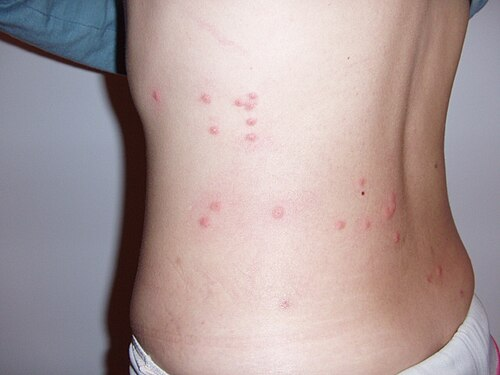
Accurately recognizing flea bites on humans is absolutely vital for achieving a correct medical diagnosis and implementing the right pest control strategy. Unlike typical mosquito bites, which are usually quite large, raised, and solitary, a classic flea bite is notably small and very often appears in distinct clusters of three or four; this grouping is sometimes colloquially referred to by medical professionals as a breakfast, lunch, and dinner feeding pattern. You will most typically find these frustrating bites around the ankles, calves, and feet, primarily because fleas generally jump from the ground up directly onto their passing hosts. These specific bites often feature a prominent red halo circling around the center puncture wound, helping to distinguish them from other insect attacks. If you consistently notice these linear patterns on your lower legs, a flea infestation is highly probable. Comparing your skin to verified Flea bites pictures on humans can also assist in confirming the source of your intense discomfort before you consult a doctor.
Effective Flea bites treatment and Immediate Care
When it directly comes to proper Flea bites treatment, the primary medical goal is always to significantly alleviate the intense, burning itching and to actively prevent any secondary bacterial infections from taking root in the open wounds. Thoroughly washing the affected skin area with gentle, antiseptic soap and warm water should always be your very first step. Following this, applying a wrapped ice pack can significantly reduce the local inflammation and effectively numb the overwhelming urge to aggressively scratch the skin. Over-the-counter pharmaceutical options, such as 1 percent hydrocortisone creams, soothing calamine lotion, and oral antihistamine pills, are highly effective and widely recommended in managing the body’s allergic reaction. Additionally, utilizing natural, holistic remedies like pure aloe vera gel and taking lukewarm colloidal oatmeal baths can provide excellent, widespread soothing properties for highly sensitive skin. Some holistic practitioners even recommend applying natural honey or steeped chamomile tea bags directly to the affected skin to reduce inflammation and promote rapid healing.
Understanding Flea bites symptoms and Allergic Reactions
A thorough, medical understanding of Flea bites symptoms goes much deeper than just acknowledging the superficial itch. While the primary and most noticeable symptom is indeed the pruritic papule on the skin, other common symptoms can frequently include localized tenderness, a distinct warm sensation radiating around the bite, and in severe cases of flea allergy dermatitis, the sudden appearance of widespread, raised hives. If the specific bite site becomes highly swollen, begins to exude yellowish pus, or feels exceptionally hot to the human touch, a secondary bacterial infection has most likely occurred; this complication strictly necessitates immediate medical intervention and a possible prescription for oral antibiotic treatment. Furthermore, severe systemic allergic reactions, though quite rare, can cause dizziness, a rapid heart rate, and difficulty breathing, which requires emergency hospitalization.
The Global Epidemiology of Flea Bites
Historically speaking, Flea Bites have been directly responsible for some of the most devastating and deadly disease outbreaks in recorded human history. The rapid transmission of the plague bacterium, strictly known as Yersinia pestis, primarily through the bite of highly infected rat fleas, fundamentally altered the course of human civilization during the Middle Ages. While modern medicine, hygiene practices, and antibiotics have largely mitigated this specific historic threat, Flea Bites absolutely still carry the modern risk of transmitting dangerous illnesses such as endemic murine typhus and cat scratch disease. The bacteria known scientifically as Bartonella henselae, for example, is transmitted via infected flea feces that is inadvertently rubbed aggressively into a fresh bite wound or a pre-existing scratch by the human host. This critical biological fact heavily highlights the absolute importance of maintaining strict personal hygiene and executing a rapid response protocol when dealing with active household infestations.
The precise mechanical details of pathogen transmission occurring during Flea Bites are highly complex and multifaceted. When a hungry flea feeds on a human, it may regurgitate infected blood or freely excrete pathogen-laden feces directly onto the surface of the skin. The frantic, aggressive scratching action of the human host inadvertently inoculates these dangerous pathogens directly into the microscopic micro-abrasions caused by the initial bite and the sharp fingernails. This specific sequence of events is exactly why medical professionals and dermatologists consistently and strongly advise against scratching Flea Bites. Practicing excellent preventative care and utilizing immediate topical treatments are unquestionably the safest and most effective approaches to mitigate both the physical discomfort and the severe risk of secondary infection.
Zoonotic Risks Associated with Flea Bites
A single bite of fleas is a truly unique physiological and entomological event. The flea’s specialized mouthparts are highly evolved, consisting of a sharp, needle-like anatomical structure called a proboscis that deeply probes the mammalian skin to successfully find a suitable, flowing blood capillary. Because this evolutionary process is so highly efficient, a flea bite human event can happen in a matter of mere seconds, very often before the human host is even consciously aware of the insect’s physical presence. Only much later, after the human immune system successfully detects the foreign salivary proteins, does the human flea bite become noticeably symptomatic and inflamed. This highly beneficial delayed recognition allows the parasite to feed completely undisturbed and quickly retreat to the safety of the dark environment or the thick fur of a domestic pet.
Recent entomological studies specifically focusing on human fleas bites clearly show that this specific species can cause significant psychological and physical distress in rural and agricultural areas, particularly where domestic livestock and human dwellings are situated in very close proximity. The documented faunal distribution of various flea species indicates that they are highly adaptable organisms, fully capable of surviving in incredibly diverse global climates ranging from the hot, arid, mountainous regions of the Middle East all the way to temperate, humid coastal zones. Consequently, experiencing a flea bite on human skin is a truly global phenomenon, requiring universal public awareness and highly proactive, rigorous pest management strategies.
Advanced Treatment Protocols
When addressing the complex treatment of Flea Bites, one must simultaneously consider both the human patient and the surrounding environment. Flea Bites require a comprehensive, multi-step approach to guarantee that the infestation does not return to plague the household. While we have discussed the topical treatments for the skin, addressing the root cause is paramount. If you merely treat the skin but ignore the environment, you will inevitably suffer from Flea Bites again within a matter of days. To combat this, pest control experts universally recommend a synchronized attack on the flea life cycle.
For households dealing with severe Flea Bites, the psychological toll can be just as exhausting as the physical symptoms. The constant, defensive feeling of insects crawling on the skin, coupled with the visible, red welts of the Flea Bites, can lead to clinical anxiety and severe insomnia. To restore peace of mind, homeowners must aggressively vacuum all carpets, rugs, and soft furnishings daily. Vacuuming is incredibly effective because it not only physically removes the adult fleas responsible for the Flea Bites, but it also sucks up the microscopic eggs, the developing larvae, and the organic flea dirt that the larvae rely on for vital nourishment. You must remember to seal and discard the vacuum bag immediately in an outdoor trash receptacle to prevent the captured fleas from simply crawling back into your home.
Specialized Care for Flea Bites in Vulnerable Groups
We must also specifically address the severe issue of Flea bites on kids. Children are significantly more vulnerable to the negative impacts of an infestation because their developing immune systems often react much more violently to the injected flea saliva, creating massive, swollen welts that are incredibly painful. Furthermore, because young children spend a disproportionate amount of their daily playtime sitting, crawling, or rolling on the carpeted floor—exactly where the flea populations are highest—they are frequent targets for these parasites. As responsible parents and caregivers, it is essential to keep children’s fingernails trimmed very short and rigorously filed; this simple physical preventative measure drastically reduces the severe skin damage they can inflict on themselves when they inevitably try to scratch their Flea bites on kids.
For older adults and individuals with compromised immune systems, Flea Bites pose a completely different set of dangerous risks. A minor secondary infection resulting from scratched Flea Bites can rapidly escalate into a serious case of cellulitis or a systemic blood infection if not meticulously monitored and treated with proper antibiotics. Therefore, observing the bites closely for any expanding redness, excessive heat, or unusual red streaking radiating from the puncture wound is a necessary daily protocol until the skin has completely and fully healed.
Comparing Insect Attacks to flea bites
It is incredibly common for people to confuse different types of bug bites. To ensure you are applying the correct treatment, you must know how to differentiate them. As established, a true flea bite typically manifests in clusters on the lower body. In stark contrast, bed bug bites also appear in linear clusters, but they are most frequently discovered on the upper body, including the face, neck, arms, and shoulders, heavily targeting skin that is exposed while the victim is sleeping in a bed. Furthermore, mosquito bites are generally much larger, puffier, and occur as solitary bumps on any exposed area of the body, lacking the distinct central puncture mark and the characteristic red halo of the flea.
If you ever discover Flea bites on face, it is usually a strong indicator that the flea infestation has reached a critical, severe level, or that an infested domestic pet is physically sleeping in the bed directly next to your head. Treating bites on the delicate skin of the face requires extreme care; aggressive chemical creams should be avoided near the eyes and mouth, and soothing, natural aloe vera is highly preferred to prevent accidental ingestion or ocular irritation.
Clinical Eradication Flowchart
To visually simplify the complex eradication process, please review the following organized protocol table, which outlines the necessary steps to eliminate the source of the infestation.
Treatment Phase Required Action Detailed Description Phase 1: Diagnosis Visual Identification Confirm the presence of fleas by identifying the clustered bites and searching pets for visible adult fleas or black flea dirt. Phase 2: Pet Isolation Veterinary Care Immediately administer veterinarian-approved oral or topical flea prevention medications to all household cats and dogs. Phase 3: Deep Cleaning Environmental Scrub Vacuum all floors meticulously, wash all human and pet bedding in extremely hot water, and dry on high heat. Phase 4: Extermination Chemical Control Apply safe, targeted indoor insecticides or hire a certified professional pest control operator to break the insect life cycle. Phase 5: Maintenance Ongoing Prevention Continue rigorous preventative treatments year-round, especially during the peak flea season from June to September.
Expanding the Environmental Defense
Securing your home against Flea Bites requires ongoing vigilance and a permanent commitment to hygiene. In suburban and rural geographical areas, the threat often originates from the outside environment. Native wildlife, including wandering opossums, raccoons, and feral neighborhood cats, frequently carry massive numbers of fleas and can easily drop flea eggs directly into your grassy yard. When you or your domestic pets walk through these shaded, damp, grassy areas, the newly hatched adult fleas immediately attach themselves, hitching a free ride straight inside your pristine home. Therefore, treating the outdoor perimeter of your property with approved yard sprays and removing tall brush and debris is a highly recommended strategy to prevent the bugs from ever reaching your front door.
Historical Context and Scientific Research
In heavily researched scientific literature, the complex dynamic between fleas and human health has been extensively documented. For instance, a detailed parasitological study conducted in the southern rural regions of Iran meticulously highlighted that the human flea was found to be incredibly widespread, making up an astonishing 99.76 percent of the collected flea samples in the targeted villages. This specific study definitively proved that these parasites have a very strong anthropophagic preference when their preferred animal hosts are unavailable or when human populations live in close, unhygienic proximity to livestock. The researchers strictly concluded that based on this heavy blood-feeding activity, these fleas posed a highly serious, ongoing health threat to the local residents, strongly reinforcing the global medical consensus that Flea Bites must always be treated as a serious public health hazard, rather than just a minor, temporary nuisance.
Furthermore, the alarming spread of flea-borne rickettsioses is an emerging global health threat. Detailed genomic analyses of various rickettsial species, such as epidemic typhus agents and murine typhus agents, show that these intracellular bacteria are incredibly well-adapted to surviving inside the gut of the flea vector. When a human inevitably scratches their Flea Bites, they risk inadvertently rubbing the highly infectious flea feces directly into their bloodstream, which can subsequently lead to severe, flu-like systemic symptoms, dangerous high fevers, intense body aches, and prolonged hospital stays.
Moving Forward: Living Free from Flea Bites
Achieving a completely flea-free existence is entirely possible with strict dedication, consistent veterinary care for your beloved animals, and a proactive, aggressive approach to home maintenance. By fully understanding the microscopic enemy and recognizing the distinct physical patterns of their bites, you can quickly deploy the necessary medical and environmental countermeasures. Flea Bites are undeniably frustrating, visually unsightly, and intensely physically uncomfortable, but they are also highly treatable and entirely preventable. Stay meticulously vigilant, keep your living environment impeccably clean, and never hesitate to contact professional pest exterminators or medical healthcare providers if an infestation completely overwhelms your personal preventative efforts.
Frequently Asked Questions
What do flea bites look like?
They typically present as very small, deeply red, distinctly raised bumps on the surface of the skin. You will very often see them grouped closely together in tight clusters of three or four, or sometimes appearing in a straight linear pattern along the lower legs, calves, and ankles. A distinct, inflamed red halo often surrounds the tiny central puncture mark where the insect actually inserted its proboscis to feed on the blood.
Do fleas bite humans?
Yes, they absolutely do bite humans, especially when their preferred animal hosts are completely unavailable or if the environmental infestation has grown incredibly severe. While there is a specific species known biologically as the human flea that targets people preferentially, the common cat and dog fleas are actually the most frequent culprits found attacking humans in modern domestic settings. They typically wait in carpets or tall grass and use their powerful legs to jump directly onto the lower extremities of a passing human to quickly secure a necessary blood meal.
How to treat flea bites on humans?
The very first, most critical step is to gently and thoroughly wash the affected skin area with a high-quality antibacterial soap and warm water to wash away pathogens and strictly prevent secondary bacterial infections. Next, apply a wrapped cold compress or a clean ice pack to the bites for ten minutes to significantly reduce the severe swelling and successfully numb the intense itching sensation. Finally, safely utilize verified over-the-counter anti-itch medical remedies such as hydrocortisone cream, soothing calamine lotion, or non-drowsy oral antihistamines to provide excellent, long-lasting physical relief.
The following posts may interest you
Mosquito Bites: Symptoms, Prevention, and Best Relief Guide
Skeeter Syndrome: Symptoms, Causes, and Treatments
Sources
Dermatitis caused by Ctenocephalides felis (cat flea) in human
https://pmc.ncbi.nlm.nih.gov/articles/PMC4247491
Louse- and flea-borne rickettsioses: biological and genomic analyses
https://pmc.ncbi.nlm.nih.gov/articles/PMC2695025
Faunal distribution of fleas and their blood-feeding preferences using enzyme-linked immunosorbent assays from farm animals and human shelters in a new rural region of southern Iran
https://link.springer.com/article/10.1007/s12639-014-0471-1
Transmission of Flea-Borne Zoonotic Agents
https://www.annualreviews.org/content/journals/10.1146/annurev-ento-120710-100717
Fleas and flea-borne diseases
https://www.sciencedirect.com/science/article/pii/S1201971210000299
Metagenomic analysis of human-biting cat fleas in urban northeastern United States of America reveals an emerging zoonotic pathogen
https://www.nature.com/articles/s41598-020-72956-x
Sand flea (Tunga spp.) infections in humans and domestic animals: state of the art
https://resjournals.onlinelibrary.wiley.com/doi/abs/10.1111/j.1365-2915.2009.00807.x
Human infestation by pigeon fleas (Ceratophyllus columbae) from feral pigeons.
The Biology and Ecology of Cat Fleas and Advancements in Their Pest Management: A Review
https://www.mdpi.com/2075-4450/8/4/118
Plague and the Human Flea, Tanzania