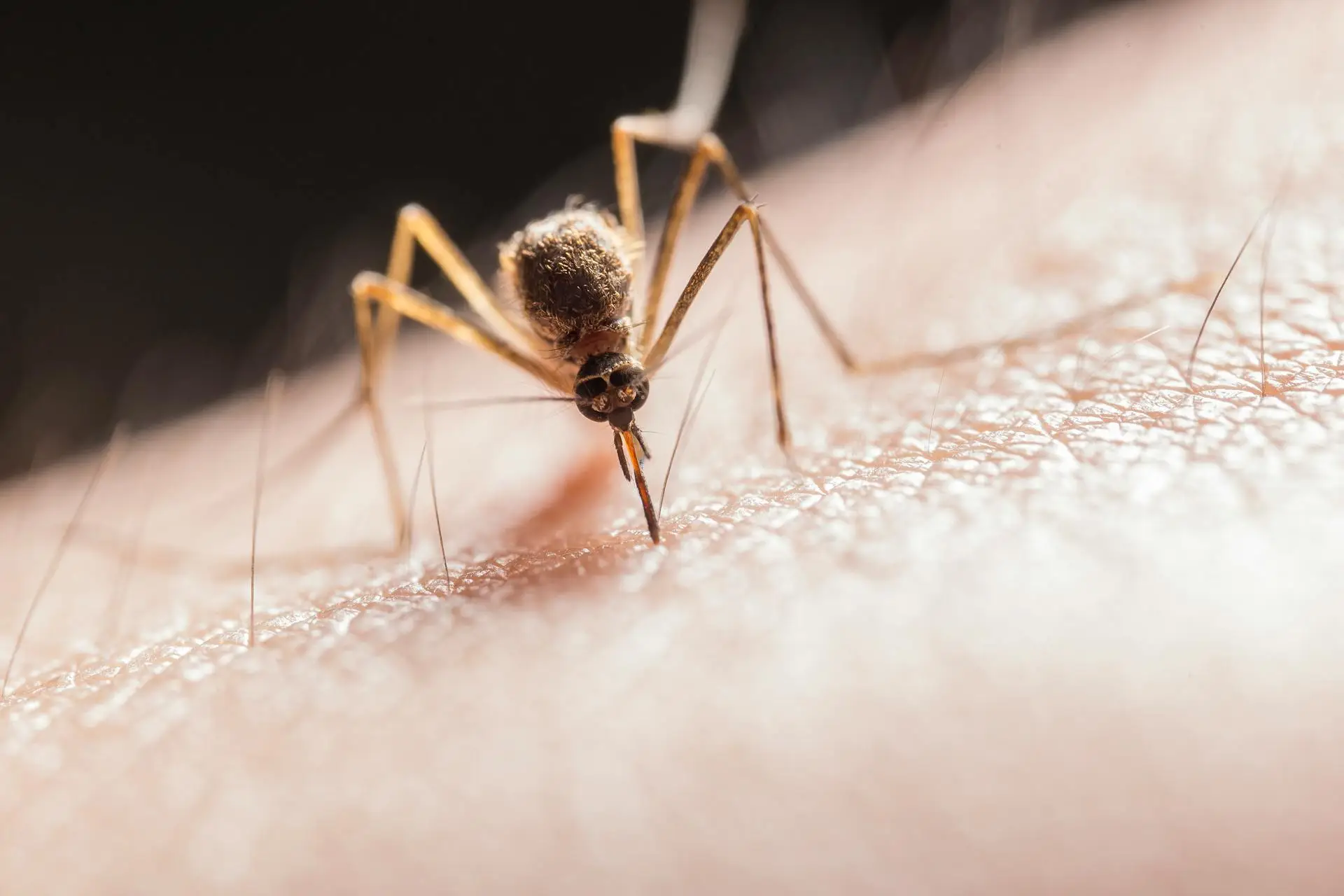
Eastern Equine Encephalitis (EEE): Key Facts at a Glance
Eastern equine encephalitis virus is a rare but severe virus spread by infected mosquitoes, found mainly in the eastern United States. Most infected people have no symptoms, but severe cases cause inflammation of the brain and have a high fatality rate.
- Early symptoms: Fever, chills, malaise, and joint and muscle pain.
- Severe symptoms: Headache, high fever, stiff neck, seizures, and altered mental status, which can progress rapidly to coma or death.
- Who is at higher risk: People under the age of 15 and over the age of 50, and anyone living in or visiting areas with high mosquito activity.
- Season: Cases are most often reported in summer and early fall, when mosquitoes are most active.
- Treatment: There is no specific antiviral treatment or vaccine for humans. Severe cases need supportive care in a hospital.
- Prevention: Use insect repellent, wear protective clothing, avoid outdoor activities at peak mosquito times, and drain standing water.
Eastern Equine Encephalitis Virus (EEEV): A Comprehensive Overview
- What is Eastern Equine Encephalitis Virus (EEEV)?
- Transmission and Epidemiology of EEEV
- Symptoms and Clinical Manifestations of Eastern Equine Encephalitis Virus
- Risk Factors and Populations Affected
- Diagnosis and Treatment
- Prevention and Control
- Conclusion
Introduction
Eastern Equine Encephalitis Virus (EEEV) is a rare but severe mosquito-borne virus that can lead to significant neurological diseases in humans. This virus, primarily found in the eastern United States, poses a substantial health risk due to its high fatality rate and the absence of specific vaccines or treatments. Understanding EEEV, its transmission, symptoms, and preventive measures is crucial for reducing its impact.
What is Eastern Equine Encephalitis Virus (EEEV)?
EEEV is an alphavirus transmitted through the bites of infected mosquitoes, primarily of the species Culiseta melanura. This virus circulates in bird populations and can spill over to humans and horses, leading to severe diseases such as encephalitis, characterized by inflammation of the brain. While EEEV infection is rare in humans, its effects can be devastating, with a high mortality rate and significant neurological sequelae in survivors.
Transmission and Epidemiology of EEEV
The primary vector for EEEV is Culiseta melanura, a mosquito species that prefers bird hosts found in freshwater swamps along the Atlantic and Gulf coasts. The virus can be transmitted to humans and horses through “bridge” mosquito species, such as Aedes or Coquillettidia, that feed on both birds and mammals. EEEV is most commonly reported in the summer and early fall, coinciding with the peak mosquito activity.
Symptoms and Clinical Manifestations of Eastern Equine Encephalitis Virus
Symptoms of EEEV can range from mild to severe. Most individuals infected with the virus do not develop any symptoms. However, in those who do, the initial symptoms include fever, chills, malaise, arthralgia, and myalgia. In more severe cases, EEEV can lead to neuroinvasive diseases such as meningitis or encephalitis. Neuroinvasive EEEV presents with symptoms like headache, high fever, stiff neck, seizures, and altered mental status, often progressing rapidly to coma or death.
Risk Factors and Populations Affected
Certain populations are at a higher risk for severe EEEV infection. These include individuals under the age of 15 and over the age of 50, with the highest incidence of severe disease and fatalities occurring in those over 60. People living in or visiting areas with high mosquito activity, especially in endemic regions along the eastern United States, are also at increased risk.
Diagnosis and Treatment
There is no specific antiviral treatment or vaccine available for EEEV in humans. Diagnosis typically involves laboratory testing of serum or cerebrospinal fluid to detect antibodies or the virus itself. Supportive care in a hospital setting is the primary treatment for those with severe EEEV, focusing on reducing symptoms and preventing complications.
Prevention and Control
Preventing EEEV infection relies heavily on reducing exposure to mosquitoes. Public health recommendations include using insect repellent, wearing protective clothing, and avoiding outdoor activities during peak mosquito activity times. Community efforts to reduce mosquito populations, such as draining standing water and applying insecticides, are also crucial in preventing the spread of EEEV.
Conclusion
Eastern Equine Encephalitis Virus (EEEV) remains a rare but serious public health concern due to its high mortality rate and lack of specific treatments. Awareness and preventive measures are essential to reduce the risk of infection and protect vulnerable populations. Continued surveillance and research are vital to understanding EEEV better and developing effective vaccines and treatments in the future.
Disclaimer: The content provided on BabyKidsHealth.com is for informational purposes only and is not intended as a substitute for professional medical advice, diagnosis, or treatment. Always seek the advice of your physician or other qualified health provider with any questions you may have regarding a medical condition.
Sources
About Eastern Equine Encephalitis Virus (Centers for Disease Control and Prevention, CDC)
https://www.cdc.gov/eastern-equine-encephalitis/about/index.html
Symptoms of Eastern Equine Encephalitis (Centers for Disease Control and Prevention, CDC)
https://www.cdc.gov/eastern-equine-encephalitis/signs-symptoms/index.html
Eastern Equine Encephalitis Virus in the United States, 2003–2016:
https://www.ncbi.nlm.nih.gov/pmc/articles/PMC5953388
Early Events in the Pathogenesis of Eastern Equine Encephalitis Virus in Mice:
https://ajp.amjpathol.org/article/S0002-9440(10)62241-9/fulltext
Clinical, Pathologic, Immunohistochemical, and Virologic Findings of Eastern Equine Encephalomyelitis in Two Horses: