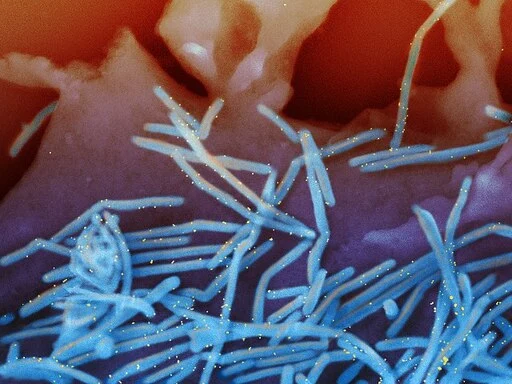
Respiratory Syncytial Virus (RSV): Key Facts at a Glance
RSV is a highly contagious virus that affects the airways. It usually causes a mild cold, but in severe cases it can lead to bronchiolitis and pneumonia. Almost all children catch RSV by the age of two.
- Symptoms: Stuffy or runny nose, sore throat, mild headache, cough, fever, and poor feeding in infants.
- Who is at higher risk: Premature babies, infants younger than one year, and children with chronic lung disease, heart disease, or weakened immune systems.
- How it spreads: Through droplets when an infected person coughs or sneezes, and through contaminated surfaces.
- Home care: Give plenty of fluids, use saline nose drops and a bulb syringe to clear the nose, and use a cool-mist humidifier. Antibiotics do not work against RSV.
- Severe cases: Hospital care may be needed for oxygen therapy or intravenous fluids.
- Prevention: Wash hands regularly, avoid close contact with sick people, and disinfect surfaces. An RSV vaccine is recommended for pregnant people between 32 and 36 weeks if the baby will be born during RSV season, and a monoclonal antibody is available for high-risk infants.
Respiratory Syncytial Virus (RSV): Understanding the Common Respiratory Threat
Introduction
Respiratory Syncytial Virus (RSV) is a significant cause of respiratory illness in infants, young children, and the older people. RSV typically manifests as a mild cold, but in severe cases, it can lead to serious respiratory conditions such as bronchiolitis and pneumonia. Almost all children encounter RSV by the age of two, making it a widespread concern for pediatric health.
- What is Respiratory Syncytial Virus (RSV)?
- Symptoms and Diagnosis of RSV
- Treatment and Care for RSV
- Prevention of RSV
- RSV Vaccine and Future Prospects
- Conclusion
What is Respiratory Syncytial Virus (RSV)?
Respiratory Syncytial Virus (RSV) is a highly contagious virus that affects the respiratory tract. It spreads through droplets when an infected person coughs or sneezes and can also survive on surfaces, making it easy to contract through contact with contaminated objects. RSV is particularly dangerous for infants, young children, and those with weakened immune systems or preexisting health conditions.
Symptoms and Diagnosis of RSV
The symptoms of RSV can vary but often resemble those of a common cold. These include:
- Stuffy or runny nose
- Sore throat
- Mild headache
- Cough
- Fever
- General ill feeling
- Poor feeding in infants
In severe cases, RSV can lead to bronchiolitis or pneumonia, especially in premature babies, infants younger than one year, and children with chronic lung disease, heart disease, or weakened immune systems. Diagnosis is usually made through medical history and physical examination, but in severe cases, testing nasal fluids for RSV can confirm the infection.
Treatment and Care for RSV
Most RSV infections are mild and can be managed at home. Key steps in home care include:
- Ensuring the child gets plenty of fluids
- Keeping them comfortable and allowing time for recovery
- Using saline nose drops and a bulb syringe to clear nasal congestion in infants
- Using a cool-mist humidifier to ease breathing
For severe cases, hospitalization may be required to provide supportive care, such as oxygen therapy or intravenous fluids. Antibiotics are not effective against RSV as it is a viral infection.
Prevention of RSV
Preventing RSV involves good hygiene practices:
- Regular hand washing
- Avoiding close contact with sick individuals
- Disinfecting surfaces that may be contaminated
A new RSV vaccine is recommended for pregnant people between 32-36 weeks if the baby will be born during RSV season. This can help protect the newborn from severe RSV illness. Additionally, a monoclonal antibody treatment is available for high-risk infants, which can provide temporary protection against the virus.
RSV Vaccine and Future Prospects
Historically, the development of an RSV vaccine faced significant challenges. Early attempts with a formalin-inactivated RSV vaccine led to severe enhanced respiratory disease in vaccinated children. Recent advancements focus on understanding the immunological responses to create safer and more effective vaccines. The goal is to develop vaccines that balance immune responses to avoid the adverse effects observed in earlier trials.
Conclusion
Respiratory Syncytial Virus (RSV) remains a critical public health concern, particularly for young children and the older people. While most cases are mild, the potential for severe illness underscores the importance of prevention, timely diagnosis, and appropriate care. Continued research and development of vaccines hold promise for better protection against this common but sometimes dangerous virus.
Disclaimer: The content provided on BabyKidsHealth.com is for informational purposes only and is not intended as a substitute for professional medical advice, diagnosis, or treatment. Always seek the advice of your physician or other qualified health provider with any questions you may have regarding a medical condition.
Sources
RSV: When It’s More Than Just a Cold (American Academy of Pediatrics, HealthyChildren.org)
About RSV (Centers for Disease Control and Prevention, CDC)
https://www.cdc.gov/rsv/about/index.html
RSV in Infants and Young Children (Centers for Disease Control and Prevention, CDC)
https://www.cdc.gov/rsv/infants-young-children/index.html
Understanding (RSV) vaccine enhanced disease:
https://link.springer.com/article/10.1007/s12026-007-0071-6
Respiratory Syncytial Virus (RSV):
https://www.ncbi.nlm.nih.gov/pmc/articles/PMC7173590
Modeling epidemics caused by respiratory syncytial virus (RSV):
https://www.sciencedirect.com/science/article/abs/pii/S0025556401000669
RSV: a scourge from infancy to old age:
https://thorax.bmj.com/content/74/10/986.abstract
RSV foto: