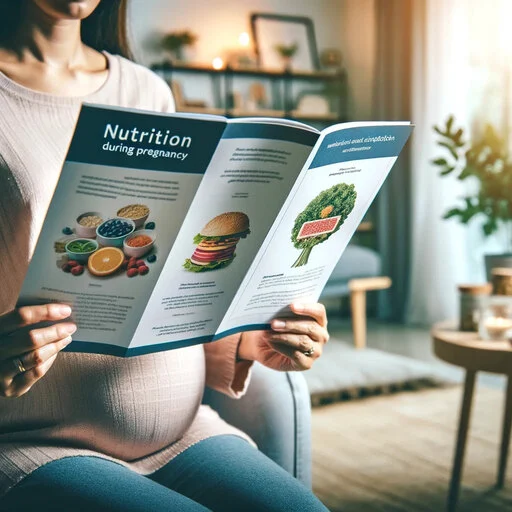
Nutrition During Pregnancy: Key Facts at a Glance
During pregnancy the body needs more of certain nutrients to support the baby’s growth and the mother’s health. A balanced, varied diet with fruits and vegetables, whole grains, lean proteins, and dairy is key.
- Protein: About 71 grams per day.
- Calcium and iron: 1000 mg of calcium and 27 mg of iron per day.
- Folate: At least 600 micrograms per day, which is crucial for reducing the risk of neural tube defects.
- DHA: 200 mg per day of this omega-3 fatty acid, which is important for brain development.
- Foods to avoid: Raw or undercooked foods (raw eggs, sushi, undercooked meats), high-mercury fish such as shark, swordfish, king mackerel, and tilefish, and unpasteurized milk, cheeses, and juices.
- Caffeine: Limit to less than 200 mg per day.
- Water and activity: Aim for 8 to 12 glasses of water per day and moderate activity such as walking or prenatal yoga.
Optimal Nutrition During Pregnancy: Your Guide to a Healthy Pregnancy
- Nutritional Requirements During Pregnancy
- Healthy Eating Patterns
- Foods to Avoid
- Physical Activity and Hydration
- Conclusion
Pregnancy is a transformative phase in a woman’s life, bringing about profound changes to her body to support the growth and development of her unborn child. Nutrition during pregnancy becomes paramount, not just for the mother’s health, but as a foundation for the baby’s future well-being. Understanding and adhering to dietary guidelines can mitigate health risks and promote a healthy pregnancy outcome.
Nutritional Requirements During Pregnancy
Pregnancy necessitates an increase in certain nutrients to support fetal development and maternal health. The body’s need for macronutrients (proteins, fats, and carbohydrates) and micronutrients (vitamins and minerals) escalates during this critical period.
– Protein: Essential for the growth of fetal tissue, including the brain, and for expanding maternal blood volume. Recommended intake is about 71 grams per day.
– Calcium: Vital for building the baby’s bones and teeth. A daily intake of 1000 mg is recommended for pregnant people.
– Iron: Supports the development of the placenta and fetus and helps increase the maternal blood volume. Pregnant people should aim for 27 mg per day.
– Folate (Vitamin B9): Crucial for reducing the risk of neural tube defects. A daily intake of at least 600 micrograms is advisable.
– DHA (Docosahexaenoic Acid): An omega-3 fatty acid important for brain development. A daily intake of 200 mg is recommended.
Healthy Eating Patterns
A balanced and varied diet is key during pregnancy. Incorporating a wide range of foods ensures that both the mother and the fetus receive a spectrum of nutrients essential for their health.
– Fruits and Vegetables: Aim for at least five portions a day to provide vitamins, minerals, and fiber.
– Whole Grains: Sources like whole wheat bread, brown rice, and oats offer energy and essential B vitamins.
– Lean Proteins: Include lean meats, poultry, fish, eggs, and legumes in your diet to support fetal growth.
– Dairy Products: Opt for low-fat or fat-free dairy products to meet calcium and protein needs.
Foods to Avoid
Certain foods should be limited or avoided due to potential health risks to the fetus.
– Raw or Undercooked Foods: Can lead to foodborne illnesses. Avoid raw eggs, sushi, and undercooked meats.
– High-Mercury Fish: Such as shark, swordfish, king mackerel, and tilefish, should be avoided due to potential mercury exposure.
– Unpasteurized Foods: Can contain harmful bacteria. Avoid unpasteurized milk, cheeses, and juices.
– Excessive Caffeine: Limit intake to less than 200 mg per day to reduce the risk of miscarriage or low birth weight.
Physical Activity and Hydration
Moderate physical activity, such as walking or prenatal yoga, can support a healthy pregnancy, aiding in weight management, reducing stress, and improving overall well-being. Staying hydrated is equally important, with a recommended intake of 8 to 12 glasses of water per day.
Conclusion
Adhering to a well-planned, nutritious diet during pregnancy supports fetal development and prepares the body for childbirth and lactation. Consult with healthcare providers to tailor dietary plans to meet individual needs, ensuring a healthy pregnancy journey for both mother and child.
Disclaimer: The content provided on BabyKidsHealth.com is for informational purposes only and is not intended as a substitute for professional medical advice, diagnosis, or treatment. Always seek the advice of your physician or other qualified health provider with any questions you may have regarding a medical condition.
Sources
Nutrition and Exercise During Pregnancy (American Academy of Pediatrics, HealthyChildren.org)
About Folic Acid (Centers for Disease Control and Prevention, CDC)
https://www.cdc.gov/folic-acid/about/index.html
During Pregnancy (Centers for Disease Control and Prevention, CDC)
https://www.cdc.gov/pregnancy/during/index.html
Nutrition in pregnancy:
https://onlinelibrary.wiley.com/doi/full/10.1111/j.1467-3010.2006.00541.x
Maternal nutrition during pregnancy and health of the offspring:
Midwives and nutrition education during pregnancy: A literature review:
https://www.sciencedirect.com/science/article/abs/pii/S1871519213000346
Nutrition During Pregnancy, Lactation and Early Childhood and its Implications for Maternal and Long-Term Child Health: The Early Nutrition Project Recommendations:
https://karger.com/anm/article/74/2/93/52123/Nutrition-During-Pregnancy-Lactation-and-Early