Acid Reflux (GERD): Key Facts at a Glance
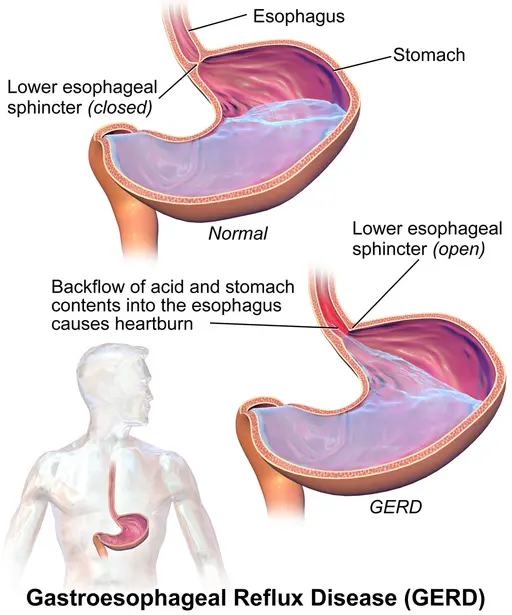
Gastroesophageal reflux disease (GERD), or acid reflux, happens when stomach contents flow back into the esophagus and irritate its lining. The most common symptom is heartburn, a persistent burning sensation.
- Other symptoms: Regurgitation of food or sour liquid, difficulty swallowing, a feeling of a lump in the throat, chronic cough, and discomfort that gets worse when bending over or lying down.
- When it may be GERD: Symptoms occurring more than twice a week may suggest a GERD diagnosis.
- Foods to avoid: Fatty and spicy foods, tomatoes, chocolate, mint, garlic, onions, and caffeine.
- Habits that help: Eat smaller, more frequent meals, avoid eating right before bedtime, raise the head of the bed, keep a healthy weight, and quit smoking.
- Medications: Over-the-counter antacids neutralize stomach acid quickly. More severe cases may need proton pump inhibitors or H2 blockers.
- Why treatment matters: Unmanaged chronic reflux can lead to esophagitis, Barrett’s esophagus, and even esophageal cancer. See a healthcare provider if symptoms persist.
Effective Remedies for Acid Reflux Disease: Proven Strategies for Relief
- Understanding the Causes in Acid Reflux
- Recognizing the Symptoms
- Proven Strategies for Managing Symptoms in Acid Reflux
- Preventing Serious Complications
- Conclusion
Gastroesophageal reflux disease (GERD), widely known as acid reflux, affects countless individuals around the globe. This condition occurs when stomach contents flow back into the esophagus, leading to irritation of its lining—a problem millions face regularly.
Understanding the Causes in Acid Reflux
The primary culprit behind GERD is often a hiatal hernia. This condition arises when the upper part of the stomach and the lower esophageal sphincter (LES) shift above the diaphragm—the muscle that separates the chest from the stomach, which normally helps keep stomach acids from rising. When afflicted with a hiatal hernia, these acids can move up into the esophagus, leading to the typical symptoms associated with acid reflux.
Recognizing the Symptoms
GERD is identified by several uncomfortable symptoms, the most common being a persistent burning sensation known as heartburn. Other symptoms include:
– Regurgitation of food or a sour liquid
– Difficulty swallowing
– A sensation of a lump in the throat
– Chronic cough or a need to clear the throat
– Discomfort that worsens when bending over or lying down
These symptoms occurring more than twice a week may suggest a GERD diagnosis.
Proven Strategies for Managing Symptoms in Acid Reflux
Effective management of GERD involves a combination of lifestyle changes and medications. Key strategies include:
1. Dietary Adjustments: Avoiding foods and beverages known to trigger reflux symptoms, such as fatty and spicy foods, tomatoes, chocolate, mint, garlic, onions, and caffeine.
2. Eating Habits: Eating smaller, more frequent meals and avoiding eating right before bedtime.
3. Sleep Adjustments: Elevating the head of the bed can significantly reduce symptoms at night.
4. Weight Management: Maintaining a healthy weight can reduce the pressure on the stomach that may cause acid to back up.
5. Smoking Cessation: Quitting smoking to improve the function of the lower esophageal sphincter, preventing acid from entering the esophagus.
6. Medications: Utilizing over-the-counter antacids to neutralize stomach acid quickly. For more severe cases, stronger medications such as proton pump inhibitors or H2 blockers might be required to reduce acid production.
Preventing Serious Complications
Unmanaged, chronic reflux can evolve into more severe health issues, including esophagitis, Barrett’s esophagus, and even esophageal cancer. Regular monitoring and consultations with a healthcare provider can help prevent these serious complications and ensure effective management of the condition.
Conclusion
Understanding what causes GERD and recognizing its symptoms are crucial steps towards effective treatment. By adopting informed lifestyle changes and seeking appropriate medical advice, those affected can control acid reflux and enhance their overall quality of life. Should symptoms persist, it is crucial to consult with a healthcare provider to receive a proper diagnosis and a treatment plan tailored specifically to individual needs.
The following post may interest you
Why Does My Baby Gag on Solid Food? Understanding & Helping
Disclaimer: The content provided on BabyKidsHealth.com is for informational purposes only and is not intended as a substitute for professional medical advice, diagnosis, or treatment. Always seek the advice of your physician or other qualified health provider with any questions you may have regarding a medical condition.
Sources
Acid Reflux (GER & GERD) in Adults (National Institute of Diabetes and Digestive and Kidney Diseases, NIH)
https://www.niddk.nih.gov/health-information/digestive-diseases/acid-reflux-ger-gerd-adults
Heartburn and acid reflux (NHS, UK)
https://www.nhs.uk/conditions/heartburn-and-acid-reflux/
Clarrett DM, et al. (2018). Gastroesophageal reflux disea:
https://www.ncbi.nlm.nih.gov/pmc/articles/PMC6140167/
Pan J, et al. (2019). Alcohol consumption and the risk of gastroesophageal reflux disease: A systematic review and meta-analysis:
https://academic.oup.com/alcalc/article/54/1/62/5090261
The effect of breathing exercises on patients with GERD: A meta-analysis:
https://apm.amegroups.org/article/view/38240/29295
Young A, et al. (2020). GERD: A practical approach:
https://apm.amegroups.org/article/view/38240/29295https://www.ccjm.org/content/87/4/223
image By BruceBlaus – Own work, CC BY-SA 4.0: