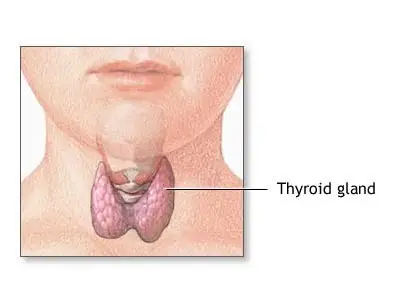
Hypothyroidism: Key Facts at a Glance
Hypothyroidism, or an underactive thyroid, is a condition in which the thyroid gland does not produce enough thyroid hormones, so various body functions slow down. It is common and manageable. The standard treatment is thyroid hormone replacement with levothyroxine, taken daily.
- Common symptoms: Fatigue, weight gain, sensitivity to cold, dry skin, constipation, depression, muscle weakness, slow heart rate, memory problems, and heavy or irregular menstrual cycles.
- Most common cause: Hashimoto’s thyroiditis, an autoimmune disorder that destroys thyroid tissue. Other causes include iodine deficiency, thyroid surgery or radiation therapy, and certain drugs such as lithium.
- Diagnosis: Blood tests. High TSH levels with low thyroxine (T4) levels indicate hypothyroidism.
- Treatment: Levothyroxine is safe and effective in the correct dosage. It may take several weeks before symptoms improve, and regular blood tests are needed to adjust the medication.
- Pregnancy: Hypothyroidism during pregnancy can harm both mother and child if it is not properly managed.
- Babies: Some infants are born with an underdeveloped thyroid gland and need early diagnosis and treatment to prevent developmental delays.
- If left untreated: It can cause high cholesterol, which increases the risk of heart disease. Severe cases can lead to myxedema coma, which is rare but life-threatening.
Understanding Hypothyroidism (Underactive Thyroid)
Hypothyroidism, commonly referred to as an underactive thyroid, is a condition where the thyroid gland fails to produce sufficient thyroid hormones. These hormones play a critical role in regulating the body’s metabolism, affecting energy levels, temperature regulation, and even heart function. When the thyroid gland underproduces hormones, various bodily functions slow down, leading to a variety of symptoms. Hypothyroidism is a manageable condition when diagnosed and treated appropriately.
- Symptoms of Hypothyroidism
- Causes of Hypothyroidism
- Diagnosing Hypothyroidism
- Treatment Options for Hypothyroidism
- Complications of Untreated Hypothyroidism
- Conclusion
Symptoms of Hypothyroidism
The symptoms of hypothyroidism can vary depending on the severity of hormone deficiency. They often develop gradually and may be mistakenly attributed to aging or other conditions. Common symptoms include:
- Fatigue
- Weight gain
- Sensitivity to cold
- Dry skin
- Constipation
- Depression
- Muscle weakness
- Slow heart rate
- Memory problems
- Heavy or irregular menstrual cycles
Severe untreated cases of hypothyroidism can result in a life-threatening condition known as myxedema coma.
Causes of Hypothyroidism (Underactive Thyroid)
There are several causes of hypothyroidism, with autoimmune conditions being the most common. Hashimoto’s thyroiditis, an autoimmune disorder, leads to the destruction of thyroid tissue, impairing hormone production. Other causes include:
- Iodine deficiency: Essential for thyroid hormone production, iodine deficiency can lead to thyroid dysfunction, though rare in developed countries due to iodine-enriched diets.
- Thyroid surgery or radiation therapy: Surgical removal or radiation therapy for hyperthyroidism or cancer can result in hypothyroidism.
- Medications: Certain drugs, such as lithium, can interfere with thyroid function.
- Congenital hypothyroidism: Some infants are born with underdeveloped thyroid glands, requiring early diagnosis and treatment to prevent developmental delays.
Diagnosing Hypothyroidism (Underactive Thyroid)
Diagnosing hypothyroidism primarily involves blood tests to measure thyroid hormone levels. A thyroid-stimulating hormone (TSH) test is commonly used to determine whether the thyroid is functioning properly. If TSH levels are high and thyroxine (T4) levels are low, it indicates hypothyroidism. In some cases, additional tests, such as testing for thyroid antibodies, may be used to confirm autoimmune-related hypothyroidism.
Treatment Options for Hypothyroidism
The standard treatment for hypothyroidism involves thyroid hormone replacement therapy, usually with a synthetic form of thyroxine known as levothyroxine. Levothyroxine is a safe and effective treatment when administered in the correct dosage. It is important to monitor thyroid hormone levels regularly to adjust medication as needed. This treatment can restore normal hormone levels and alleviate symptoms.
Patients typically take levothyroxine daily, and it may take several weeks before improvements in symptoms are noticeable. Long-term management with regular blood tests is necessary to ensure thyroid hormone levels remain stable.
Complications of Untreated Hypothyroidism
If left untreated, hypothyroidism can lead to several complications. For instance, it can cause high cholesterol, increasing the risk of heart disease. Severe untreated cases can lead to myxedema coma, a rare but life-threatening condition. Hypothyroidism during pregnancy can also harm both mother and child, leading to developmental delays if not properly managed.
Conclusion
Hypothyroidism (underactive thyroid) is a common and manageable condition with appropriate treatment. Early diagnosis and proper management with hormone replacement therapy can prevent serious complications. It’s important to monitor symptoms and seek medical attention if any signs of hypothyroidism appear.
Disclaimer: The content provided on BabyKidsHealth.com is for informational purposes only and is not intended as a substitute for professional medical advice, diagnosis, or treatment. Always seek the advice of your physician or other qualified health provider with any questions you may have regarding a medical condition.
Source
Hypothyroidism (Underactive Thyroid) (National Institute of Diabetes and Digestive and Kidney Diseases, NIH)
https://www.niddk.nih.gov/health-information/endocrine-diseases/hypothyroidism
Underactive thyroid (hypothyroidism) (NHS, UK)
https://www.nhs.uk/conditions/underactive-thyroid-hypothyroidism/
Epidemiology, Types, Causes, Clinical Presentation, Diagnosis, and Treatment of Hypothyroidism:
https://www.ncbi.nlm.nih.gov/pmc/articles/PMC10613832
Hypothyroidism in the older people: diagnosis and management:
https://www.tandfonline.com/doi/full/10.2147/CIA.S23966
Evaluation of New Measures of the Impact of Hypothyroidism on Quality of Life and Symptoms: The ThyDQoL and ThySRQ:
https://onlinelibrary.wiley.com/doi/full/10.1111/j.1524-4733.2007.00232.x
Subclinical Thyroid Disease: