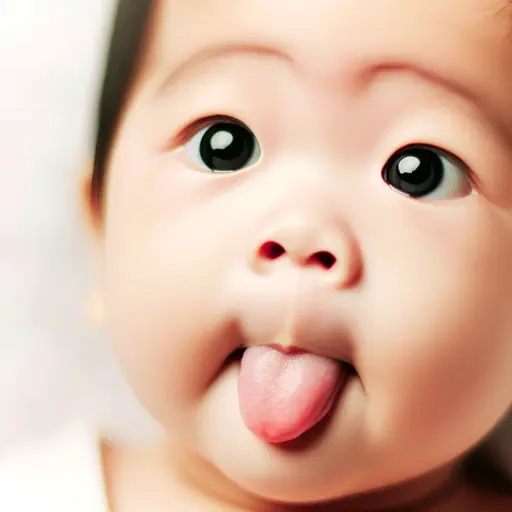
Babies Sticking Their Tongue Out: Key Facts at a Glance
It is common for babies to stick their tongue out, and it serves several developmental purposes. It can be a way to communicate, explore, and imitate the people around them.
- Hunger or fullness: Sticking out the tongue can be an early cue that your baby is hungry, before crying starts. It can also signal that they have had enough to eat.
- Exploring: Babies use their tongue to explore textures and tastes, which is part of sensory development.
- Imitation: If you stick out your tongue at a baby, they may copy you. This imitation is a foundation of social interaction.
- Teething: Sticking out the tongue or putting objects in the mouth can ease pressure on the gums as teeth start to emerge.
- Starting solids: Babies use their tongue to push food around, which is an essential part of learning to eat different textures.
Understanding Why Babies Stick Tongue Out: A Guide for Curious Parents
- Hunger or Fullness
- Exploration and Sensory Development
- Mimicking Facial Expressions
- Signs of Teething
- Exploring Taste and Texture
- Communication Through Non-Verbal Cues
- Conclusion
Have you ever noticed your baby sticking their tongue out and wondered why? While it might seem like a simple gesture, the reasons behind it are both interesting and insightful. This behavior is common and can indicate various things about your baby’s development and needs.
Hunger or Fullness
One of the primary reasons babies stick out their tongues is related to hunger. Before crying becomes apparent, sticking out the tongue can be a subtle cue that your baby is hungry. Interestingly, this action can also indicate fullness, signaling that they’ve had enough to eat. This dual signal underscores the tongue’s role in communicating feeding needs from a very early stage.
Exploration and Sensory Development
For newborns, the world is a fascinating place filled with new experiences. Sticking out their tongue is a way for them to explore and get a sense of different textures and tastes. This action is part of how they learn about their environment and is crucial for sensory development. As they grow, this curiosity helps in developing motor skills and understanding their body’s responses to the world around them.
Mimicking Facial Expressions
Babies are incredibly responsive to the facial expressions of those around them. If you stick out your tongue at a baby, don’t be surprised if they mimic you! This imitation is a foundational aspect of social interaction and emotional development. Through such simple actions, babies start to learn the basics of communication and empathy.
Signs of Teething
As babies grow, teething is another common reason for sticking out the tongue. This phase can cause discomfort, and sticking out the tongue or placing objects in their mouth helps alleviate some of the pressure on their gums. It’s a natural response to the sensations they experience as their teeth start to emerge.
Exploring Taste and Texture
Babies are born with a keen sense of taste, and sticking out the tongue allows them to explore various tastes and textures. This behavior is not just about food; it’s about developing a palate. When introduced to solids, babies use their tongue to push food around, which is an essential part of learning to eat different textures.
Communication Through Non-Verbal Cues
Before they can speak, babies rely heavily on non-verbal cues to communicate. Sticking out the tongue can be a form of self-expression, indicating anything from curiosity to fatigue. Paying attention to these cues can help parents better understand their baby’s needs and emotional states.
Conclusion
The action of a baby sticking out their tongue is a multi-faceted behavior that serves various developmental purposes. From hunger signals to the exploration of the sensory world, this simple gesture provides insights into your baby’s growth and needs. Understanding these reasons can enhance the bond between parents and their children, making the journey of growth a shared experience filled with discovery and learning.
Disclaimer: The content provided on BabyKidsHealth.com is for informational purposes only and is not intended as a substitute for professional medical advice, diagnosis, or treatment. Always seek the advice of your physician or other qualified health provider with any questions you may have regarding a medical condition.
Sources
The big baby experiment:
https://www.nature.com/articles/527022a
BROKEN MIRRORS:
https://www.jstor.org/stable/26069040
Neuroscience, Play and Early Childhood Education: Connections, Implications and Assessment: