Symptoms of Dyslexia: Key Facts at a Glance
Dyslexia is a common learning disorder that affects the ability to read, write, and spell. It is not related to intelligence. It results from how the brain processes language. It is a lifelong condition with no cure, but early intervention and tailored teaching methods can make a significant difference.
- Common signs: Difficulty learning to read and write at the expected age, slow and labor-intensive reading, confusing letters that look similar such as “b” and “d”, and difficulty with spelling.
- Other signs: Trouble recalling the correct sequence of letters in words, and difficulty processing verbal instructions.
- When it shows: It often becomes apparent when children start school.
- Diagnosis: A series of reading, spelling, and comprehension tests. Hearing and vision are also evaluated to rule out other causes.
- Causes: The exact cause is still unknown, but it is linked to genetic factors and often runs in families.
- Support: Multi-sensory programs such as Orton-Gillingham, along with tools like text-to-speech software and audiobooks.
- How parents can help: Consult with teachers or a specialist if you notice signs, read with your child, and provide a quiet, distraction-free place for homework.
- What Are the Symptoms of Dyslexia?
- What is Dyslexia?
- What Are the Symptoms of Dyslexia?
- How is Dyslexia Diagnosed?
- What Causes Dyslexia?
- Can Dyslexia Be Cured?
- How Can Dyslexia Be Treated?
- Is Dyslexia a Disability?
- What Is the Difference Between Dyslexia and a Learning Disability?
- What Are the Types of Dyslexia?
- How Can Parents Help a Child with Dyslexia?
What Are the Symptoms of Dyslexia?
Dyslexia is a common learning disorder that affects an individual’s ability to read, write, and spell. Despite its impact, dyslexia is not related to intelligence. It results from how the brain processes language and words. People with dyslexia often struggle with phonological awareness, making it difficult to link sounds to letters or to read words correctly. In this article, we will explore the symptoms of dyslexia, how it is diagnosed, and the top questions related to this condition.
What is Dyslexia?
Dyslexia is a learning disorder that primarily affects reading and language processing. It is characterized by difficulties in recognizing letters, spelling, and decoding words. Dyslexia can vary in severity and may present alongside other learning difficulties. However, it is important to note that dyslexia is not indicative of low intelligence; rather, it is a neurological condition that requires specific educational approaches to manage.
What Are the Symptoms of Dyslexia?
The symptoms of dyslexia can vary depending on age and severity, but the most common signs include:
- Difficulty learning to read and write at the expected age
- Slow and labor-intensive reading
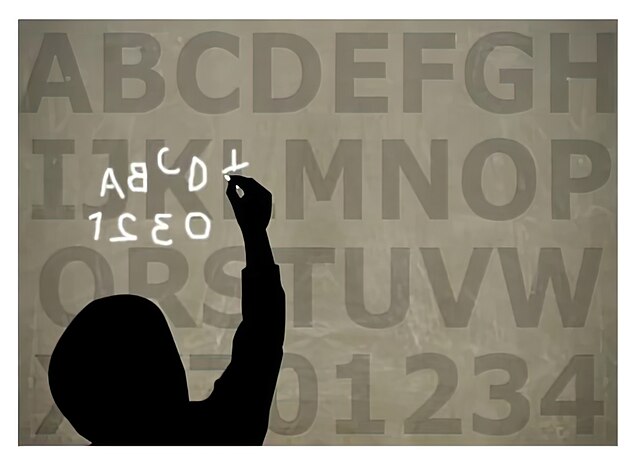
- Frequent confusion of letters that look similar, such as “b” and “d”
- Difficulty in spelling and writing
- Trouble recalling the correct sequence of letters in words
- Difficulty processing verbal instructions.
In children, dyslexia often becomes apparent when they start school, as they may struggle with basic reading and writing skills. For adults who were not diagnosed early, dyslexia may manifest as slow reading, difficulty spelling, or trouble organizing written tasks.
How is Dyslexia Diagnosed?
Dyslexia is usually diagnosed through a series of reading, spelling, and comprehension tests. These tests measure a person’s reading abilities compared to others in their age group. Additional factors such as intelligence, hearing, and vision are also evaluated to rule out other causes of reading difficulties. In some cases, an educational psychologist or a specialist in learning disorders may conduct more detailed assessments.
What Causes Dyslexia?
While the exact cause of dyslexia is still unknown, research suggests that it is linked to genetic factors and differences in brain structure. People with dyslexia often have family members who also have the condition, indicating a genetic predisposition. Brain scans of individuals with dyslexia show differences in the areas involved in processing language and reading.
Can Dyslexia Be Cured?
Dyslexia is a lifelong condition, but with the right support, individuals can improve their reading and writing skills. There is no cure for dyslexia, but early intervention and tailored teaching methods can make a significant difference in helping individuals manage the condition effectively.
How Can Dyslexia Be Treated?
Treatment for dyslexia focuses on personalized learning strategies that cater to the individual’s needs. Programs like Orton-Gillingham use multi-sensory techniques to help individuals connect sounds to letters and improve their reading abilities. Additionally, technology such as text-to-speech software and audiobooks can aid individuals with dyslexia in overcoming learning obstacles.
Is Dyslexia a Disability?
Dyslexia is classified as a learning disability. It can affect a person’s ability to learn and function in a traditional educational environment. However, with appropriate accommodations and teaching strategies, individuals with dyslexia can succeed academically and professionally.
What Is the Difference Between Dyslexia and a Learning Disability?
Dyslexia is a specific type of learning disability that primarily affects reading and language processing. Other learning disabilities may affect different areas, such as mathematics (dyscalculia) or writing (dysgraphia). Dyslexia, however, does not impact general intelligence.
What Are the Types of Dyslexia?
There are several types of dyslexia, including:
- Phonological dyslexia: Difficulty breaking down and sounding out words.
- Surface dyslexia: Difficulty recognizing whole words by sight.
- Deep dyslexia: Difficulty with word recognition and understanding meaning due to brain damage.
How Can Parents Help a Child with Dyslexia?
Parents play a crucial role in supporting children with dyslexia. Early identification is key, so if you notice signs of dyslexia, consult with teachers or a specialist to assess your child’s reading skills. At home, parents can help by reading with their children, encouraging multi-sensory learning techniques, and providing a quiet, distraction-free environment for homework.
The following post may interest you
AI Model Aids Early Detection of Autism with 80% Accuracy
Disclaimer: The content provided on BabyKidsHealth.com is for informational purposes only and is not intended as a substitute for professional medical advice, diagnosis, or treatment. Always seek the advice of your physician or other qualified health provider with any questions you may have regarding a medical condition.
Sources
Reading Disorders: What Parents Need to Know (American Academy of Pediatrics, HealthyChildren.org)
COMMUNICATION DISORDERS & SPECIAL EDUCATION FACULTY PUBLICATIONS
The Prevention, Diagnosis, and Treatment of Dyslexia:
https://www.ncbi.nlm.nih.gov/pmc/articles/PMC2967798
Revealing the Causes of Dyslexia through a Differential Diagnosis, a Short-Term Effective Treatment and an Appropriate Conceptual Framework:
https://www.mdpi.com/2075-4418/14/17/1965
Early Assesment Dyslexia:
https://iopscience.iop.org/article/10.1088/1757-899X/852/1/012134/meta
Dyslexia Can Be Treated:
https://ijsses.tiu.edu.iq/index.php/ijsses/article/view/368
Self-reported visual symptoms in children with developmental dyslexia:
https://www.sciencedirect.com/science/article/pii/S0042698918302426
Dyslexia and Specific Learning Disorders: New International Diagnostic Criteria:
https://iris.unica.it/handle/11584/225859
Implementation of The Certainty Factor Method in The Expert System For Early Diagnosis of Dyslexia in Childhood:
https://ojs.unpkediri.ac.id/index.php/intensif/article/view/18433
image source: cuidado infantil – cuidadoinfantil.net, CC BY-SA 3.0, https://commons.wikimedia.org/w/index.php?curid=17217451